Maddy summaryHRES 645 is a non-binding House resolution recognizing August as "Chicano Heritage Month" to celebrate the contributions of Mexican Americans to U.S. history. It highlights historical figures like labor leaders Cesar Chavez and Dolores Huerta, landmark court cases (e.g., *Mendez v. Westminster* ending school segregation), and cultural impacts such as Selena's influence on music. The resolution does not create new laws or policies but serves as a symbolic acknowledgment by the House to honor this heritage. It encourages the public and institutions to observe the month with events celebrating Mexican American contributions.
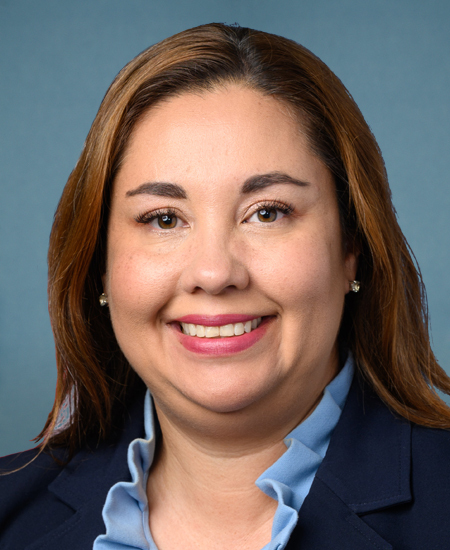
Rep. Yadira Caraveo
Sponsored bills
Maddy summaryHR 5222 creates a trust fund requiring oil companies with over $50 million in annual revenue to pay an amount equal to the total compensation of their 10 highest-paid employees each year. The fund reimburses eligible workers (or their family members living within 20 miles of oil/gas sites for at least one year) for medical expenses related to asthma, heat illness, or other respiratory/cardiovascular conditions linked to air pollution from oil operations. Claims are processed in the order they’re received, with payments drawn directly from the fund without needing new congressional appropriations. This directly affects workers and residents near extraction sites who develop health issues tied to industry operations.
Maddy summaryThe ACES Act directs the Department of Veterans Affairs to fund a National Academies study examining cancer rates among active-duty military aircrew members (including pilots and navigators in fixed-wing aircraft). The study will identify potential military-related exposures linked to specific cancers - such as lung, prostate, melanoma, and others - and analyze existing VA, Defense, and CDC health data. It requires the National Academies to report findings to Congress on cancer prevalence and mortality among these service members. This bill focuses on gathering scientific data to inform future policy, not on immediate benefits or changes.
Maddy summary# Summary of the "Protecting Our Democracy Act" This comprehensive legislation aims to strengthen democratic processes, increase government transparency, and prevent foreign interference in elections. Key provisions include: ## Ethics and Transparency - **Ethics Pledge**: Requires all appointees to sign an ethics pledge committing to: - Ban on gifts from registered lobbyists - 2-year revolving door ban (prohibiting participation in matters related to former employers) - Golden parachute ban (no special payments from former employers) - Commitment to decision-making based on public interest - **Tax Transparency**: Requires presidential and vice presidential candidates to disclose 10 years of tax returns, with sitting presidents submitting returns within 30 days of enactment ## Campaign Finance and Foreign Interference - **Foreign Contact Reporting**: Requires political committees to report any contact with "covered foreign nationals" within 1 week - **Enhanced Penalties**: Criminal penalties of up to $1 million and 5 years in prison for violations - **Online Advertising Rules** ("Honest Ads Act"): - Requires clear disclosure of who paid for political ads online - Mandates machine-readable public databases of political ads - Requires visible sponsor identification that remains when ads are shared - Defines "qualified political advertisements" to include various online formats ## Preventing Patronage Systems - Limits exceptions to competitive service for federal positions - Restricts transferring positions between competitive and excepted service - Requires employee consent for position transfers ## Use of Federal Property - Prohibits holding national political conventions on federal property - Requires publicly available visitor records at White House and other official locations (with privacy exceptions) The legislation establishes detailed definitions, reporting requirements, and enforcement mechanisms across multiple agencies, with the goal of increasing transparency, preventing foreign interference, and ensuring ethical conduct in government service.

Maddy summaryThis bill requires phone calls, texts, and chats to 9-8-8 (the national suicide prevention and mental health crisis hotline) to be routed to the nearest participating crisis center within 90 days of enactment, while protecting caller privacy by not revealing precise location. It mandates all phone carriers to transmit every 9-8-8 call or text - including those from prepaid or non-initialized handsets - and updates phone systems to allow direct 9-8-8 dialing without extra steps. The law affects crisis centers (by directing calls to their area), callers (through improved routing and privacy), and phone carriers (by requiring transmission compliance). These changes aim to make the 9-8-8 system more efficient and accessible for those seeking mental health support.
Maddy summaryThis bill creates a federal loan repayment program to help mental health professionals (like counselors, psychologists, and social workers) repay student loans. It directly affects individuals who have taken out education loans for mental health degrees and agree to work in underserved areas. Key provisions require participants to commit to 3-6 years of full-time service in designated mental health shortage areas or counties with high overdose death rates, with funding increased to $100 million annually for 2023-2032. The program expands eligibility to cover all mental health-related fields, including behavioral health roles.
Maddy summaryHR 4884, the Mental Health for Latinos Act of 2023, directs the U.S. Department of Health and Human Services to create a culturally tailored mental health outreach strategy for Hispanic and Latino communities. The strategy must address language needs, reduce stigma, provide information on culturally appropriate treatments, and consider pandemic impacts, developed with community input. It requires annual reports to Congress on the strategy's effectiveness and authorizes $1 million for fiscal year 2024. The bill directly affects Hispanic and Latino populations by aiming to improve access to relevant mental health resources and outcomes.
Maddy summaryThe ATTAIN Mental Health Act requires the U.S. Department of Health and Human Services to create an interactive online dashboard within two years of enactment. This dashboard will display current federal grant opportunities for mental health and substance use disorder prevention, treatment, and recovery programs, including program names, application status (open/closed/awarded), deadlines, and links to applications. It must comply with accessibility standards and allow users to search by topic, location, or category, with input from stakeholders like schools, health providers, tribal organizations, and state agencies. The tool aims to simplify access to existing federal grant information for potential applicants, without creating new funding or changing grant eligibility.
Fair Access to Agriculture Disaster Programs Act This bill waives the adjusted gross income limitations for payments or benefits under specific Department of Agriculture (USDA) disaster assistance programs for a person or legal entity that derives a portion of their income from agriculture. (Currently, a person or entity is not eligible to receive certain benefits during a crop, fiscal, or program year if their average gross income exceeds $900,000.) Specifically, in the case of an excepted payment or benefit, the adjusted gross income limitation is waived if 75% or more of the average adjusted gross income for the person or entity is derived from farming, ranching, or silviculture activities. These activities include agritourism, direct-to-consumer marketing of agricultural products, and the sale of agricultural equipment owned by such person or entity. The bill applies to the USDA Livestock Indemnity Program; Livestock Forage Disaster Program; Emergency Assistance for Livestock, Honey Bees, and Farm-Raised Fish Program; Tree Assistance Program; and Noninsured Crop Disaster Assistance Program.
Maddy summaryThe provided context for HR 4060 (Food Access and Stability Act of 2023) only describes a technical amendment to an existing law (the Fiscal Responsibility Act of 2023), specifically modifying section 311(b)(2) by replacing subsection (a) with subsection (a)(1). It does not explain the policy substance, who is affected, or the practical impact of this change. Without additional details on the amendment's purpose or resulting policy shifts, a substantive summary cannot be generated. This appears to be a procedural adjustment rather than a new policy measure.