

Maddy summaryThe JOBS Act of 2023 would expand Federal Pell Grant eligibility to cover certain short-term job training programs that prepare students for high-demand careers. It defines "eligible job training programs" as those offering 150-600 hours of instruction over 8-15 weeks, aligned with in-demand industry sectors, and leading to recognized credentials that help students meet hiring requirements and take licensure exams. The bill would allow students in these programs to receive Pell Grants under standard terms, with the minimum Pell Grant amount reduced from 10% to 5% of the maximum. It also requires accrediting agencies to evaluate these programs and creates data-sharing between Education and Labor departments to track program effectiveness.
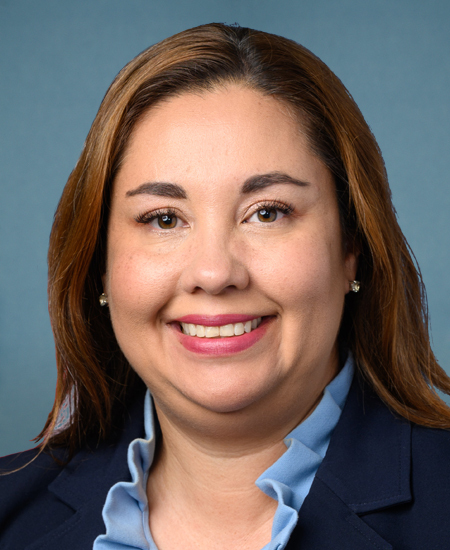
Rep. Yadira Caraveo
Sponsored bills
Maddy summaryHR 7212, the PEER Support Act, establishes a formal profession for peer support specialists - individuals with lived experience in mental health or substance use recovery who provide support to others. It requires the Office of Management and Budget to add "peer support specialist" to the Standard Occupational Classification system by January 2025 and creates a new Office of Recovery within SAMHSA to lead workforce development, share best practices, and support training and certification. The bill also mandates a report analyzing state criminal background check policies for peer specialists, aiming to reduce barriers to certification. This directly affects states implementing certification systems, peer specialists seeking employment, and SAMHSA’s operations in mental health services.
Maddy summaryHR 7185 reauthorizes the High Intensity Drug Trafficking Areas (HIDTA) program through 2030, with specific focus on fentanyl. It allocates $302 million annually for HIDTA operations and adds $14.2 million yearly for grants to enhance fentanyl seizure efforts through competitive grants. The bill requires annual reports detailing fentanyl seizures and trafficking data, and directs the Attorney General to assign at least 16 assistant U.S. attorneys to prioritize fentanyl trafficking cases. This directly affects federal drug task forces, law enforcement agencies, and prosecutors working on fentanyl-related investigations.
Maddy summaryThe Advancing Research for Chronic Pain Act of 2024 directs the U.S. Department of Health and Human Services to create a centralized system for researching chronic pain (defined as pain lasting more than three months). This system will gather de-identified data from medical claims and surveys to analyze chronic pain’s causes, costs, demographics, and treatment effectiveness, while identifying research gaps. It mandates a public website, the Chronic Pain Information Hub, to aggregate federal data, provide clinical tools for healthcare providers, and update annually with new findings. The bill also requires conflict-of-interest disclosures for research collaborators and a two-year congressional report, with funding authorized for fiscal years 2024-2028.
Maddy summaryThe Credit for Caring Act of 2024 creates a new federal tax credit for family caregivers. It allows eligible caregivers to claim a credit equal to 30% of qualified caregiving expenses (like home modifications, medical supplies, or respite care) exceeding $2,000 per year, capped at $5,000 annually. To qualify, caregivers must earn over $7,500 in income and provide care for a relative (like a spouse or parent) certified by a healthcare provider as needing long-term care for at least 180 days. The credit phases out for higher earners, with a $75,000 income threshold for single filers and $150,000 for joint returns.
Maddy summaryThe ACCESS Act of 2024 creates a federal grant program to help clinics and health care providers expand abortion and reproductive health services in states where abortion is legal (outside of life or health exceptions). It authorizes $200 million annually for fiscal years 2024-2028 to fund specific capacity-building activities, including facility expansions, hiring clinical staff, telehealth services, and culturally appropriate patient resources. Priority is given to providers in states experiencing the highest increases in out-of-state patients seeking abortion care. The bill directly supports health care entities serving patients who travel across state lines for services, aiming to reduce wait times and improve access for vulnerable communities.
Maddy summaryHR 6661 reauthorizes rural cooperative development grants under the Consolidated Farm and Rural Development Act. It clarifies that "cooperative development" includes outreach, education, training, and technical assistance for new and existing rural cooperatives. The bill requires grant applicants to commit to serving socially vulnerable, underserved, or distressed communities and mandates annual reports from an interagency working group on program activities. This directly affects rural cooperatives (like farmer-owned businesses) and community organizations providing technical assistance, with changes focused on grant eligibility, community impact requirements, and reporting. The bill updates program funding periods to 2024-2028 and adds data analysis requirements for the annual reports.
Maddy summaryThe Healthy Watersheds, Healthy Communities Act of 2023 requires at least 50% of federal funds for watershed projects to support "multibenefit works of improvement" that provide two or more public benefits including water conservation, improved fish/wildlife habitat, flood reduction, or water quality enhancement. The bill defines these projects to include activities like protecting natural features, enhancing fish passage, or improving instream flow, while establishing specific cost-sharing requirements and environmental considerations. Local organizations, including states, tribes, soil conservation districts, rural communities, and irrigation districts, would be the primary beneficiaries of this funding. The legislation aims to shift watershed management toward integrated solutions that address multiple environmental and community challenges simultaneously. It establishes clear definitions and requirements for what qualifies as a multibenefit project under the Watershed Protection and Flood Prevention Act.
Maddy summaryThe Farmers First Act of 2023 amends the Farm and Ranch Stress Assistance Network program to expand mental health support for farmers and ranchers. It increases annual funding from $10 million to $15 million for fiscal years 2024-2028, adds crisis lines to the program’s services, and expands referral options to connect individuals with certified community clinics, health centers, rural clinics, Federally Qualified Health Centers, and critical access hospitals. These changes directly affect agricultural workers facing mental health or substance use challenges by improving access to specialized care. The bill focuses on strengthening existing support infrastructure rather than creating new programs.
Maddy summaryThe Farm and Food Cybersecurity Act of 2024 requires the U.S. Department of Agriculture to conduct biennial studies assessing cyber threats and vulnerabilities across the entire food supply chain - including farmers, processors, distributors, and retailers - and submit reports to Congress detailing risks to food safety, public health, and national security. It also mandates annual cross-sector simulations with agencies like Homeland Security and Health and Human Services to test emergency responses to food-related cyber incidents, involving government and private sector stakeholders. The bill authorizes $1 million annually (2024-2028) to fund these studies and simulations, aiming to identify gaps and improve coordination. These requirements directly affect federal agencies, state/local governments, and food industry entities responsible for food production, distribution, and security.