

Maddy summaryHRES 1152 is a resolution passed by the U.S. House of Representatives to commemorate the 25th anniversary of the Columbine High School shooting. It honors the 13 victims, their families, and the survivors by formally recognizing their stories and the community's resilience. The resolution expresses condolences, applauds ongoing healing efforts, and reaffirms Congress's commitment to preventing gun violence through policy action and promoting safer schools. It does not create new laws but serves as a symbolic gesture of national solidarity.
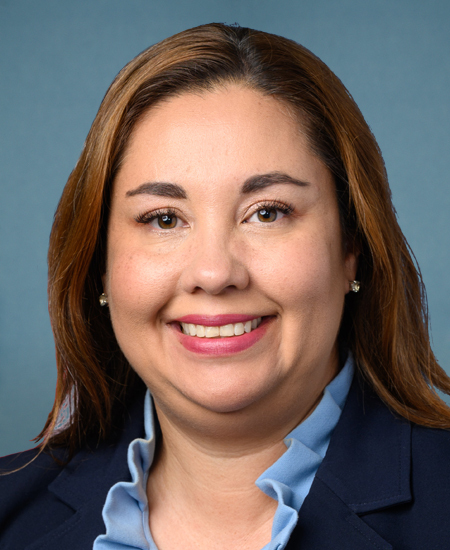
Rep. Yadira Caraveo
Sponsored bills
Maddy summaryHR 5530, the VA Emergency Transportation Access Act, prevents the Department of Veterans Affairs (VA) from lowering payment rates for specialized transportation used by veterans and eligible individuals (like ambulances or wheelchair vans) without strict requirements. It mandates that any rate change that could reduce access to care must first undergo a detailed review analyzing economic impacts on the VA and transportation industry, and ensure the new rate covers actual costs. The VA must also develop a formal process for rate changes and consult with industry experts, veterans' groups, and healthcare agencies before implementing such changes. This bill directly affects veterans relying on specialized transportation for medical care, particularly those in rural or underserved communities, by safeguarding their access to necessary emergency transport services.
Maddy summaryHR 3649 establishes a 5-year pilot program to provide hyperbaric oxygen therapy (HBOT) to veterans diagnosed with traumatic brain injury (TBI) or post-traumatic stress disorder (PTSD). The program, limited to three Veterans Health Administration networks, offers HBOT through VA-approved providers using FDA-approved or investigational medical devices. Funding comes solely from donations to a dedicated VA HBOT Fund, with no annual budget constraints. This bill directly affects eligible veterans seeking this specific treatment option, but does not guarantee long-term coverage beyond the pilot's five-year term.
Maddy summaryThe Love Lives On Act of 2023 modifies benefits for surviving spouses of military veterans and service members. It removes an expiration date on the Marine Gunnery Sergeant John David Fry Scholarship for surviving spouses, ensures remarriage doesn't automatically end eligibility for veterans' dependency and indemnity compensation, and expands access to commissary and exchange privileges for remarried surviving spouses. The bill also clarifies that remarried widows or widowers whose subsequent marriage ended (due to death, divorce, or annulment) can still be considered dependents under TRICARE. These changes directly affect surviving spouses of veterans and military members who have remarried or are considering remarriage, providing more consistent benefits regardless of marital status.
Maddy summaryHR 3303, the Maternal Health for Veterans Act, requires the Department of Veterans Affairs (VA) to annually report on maternity care coordination programs and maternal health outcomes for veterans receiving care through VA facilities or VA-contracted providers. The bill mandates the VA to collect data on maternal outcomes - including disparities affecting high-risk demographic groups - and submit recommendations to Congress by September 2028. It authorizes $15 million annually (2024-2028) for VA maternity care coordination programs, supplementing existing funding without reducing current resources. The law directly affects veterans using VA maternity services, aiming to improve care through data-driven strategies.
Maddy summaryHR 1083, the Caring for Survivors Act of 2023, increases financial support for surviving spouses of veterans. It amends Title 38 to raise dependency and indemnity compensation from a fixed $1,154 to 55% of the monthly compensation rate under section 1114(j), effective six months after enactment. The bill also modifies eligibility for survivors of veterans who died before 1993, ensuring they receive the greater of their current benefit or the new calculation. Additionally, it reduces the required continuous service rating period for survivors from 10 years to five years when a veteran was totally disabled at death. These changes directly affect surviving spouses, particularly those with veterans who died prior to 1993.
Maddy summaryHR 8005, the Child Exploitation and Artificial Intelligence Expert Commission Act of 2024, establishes a 13-member commission to investigate how artificial intelligence is used in child exploitation crimes and recommend solutions to improve law enforcement's ability to prevent, detect, and prosecute such crimes. The commission, appointed by congressional leaders with expertise in law enforcement, AI, or child welfare, must submit a final report to Congress within two years detailing findings and recommendations for legal or technical improvements. This bill does not create new laws but focuses on identifying legal barriers and developing actionable solutions for law enforcement agencies. The commission will operate independently without federal government employees serving as members.
Maddy summaryThis bill establishes a federal grant program to support accredited zoos, aquariums, and wildlife facilities caring for threatened and endangered species. It creates a "Wildlife Confiscations Network" to coordinate federal law enforcement with qualified facilities handling seized animals (like those from illegal trade), and authorizes a new permit under the Endangered Species Act to streamline rescue, rehabilitation, and reintroduction efforts. Facilities must meet standards for animal care, comply with the Animal Welfare Act, and use grants for specific costs like veterinary care, transportation, and reintroduction - capping federal funding at $1 million per facility annually (except during emergencies). The program directly affects accredited wildlife facilities, federal agencies (like USFWS), and law enforcement, aiming to standardize and fund conservation efforts for species under the Endangered Species Act.
Maddy summaryThis bill establishes federal grant programs to expand physician training in rural areas. It provides funding to create new rural residency programs (requiring over 50% of training to occur in rural settings) and technical assistance for organizations developing these programs. Grants for new programs last 3 years (extendable) and target high-need specialties like primary care, maternal health, and psychiatry. The bill authorizes $12.7 million annually from 2025-2029 for these initiatives, directly affecting rural hospitals, medical schools, and health centers seeking to train physicians for rural practice.
Maddy summaryHR 7808, the EARLY Minds Act, amends the Public Health Service Act to require states receiving federal mental health funds to include evidence-based prevention and early intervention strategies for children and adolescents in their state plans. It allows states to use up to 5% of their annual mental health allotment to support these programs, which aim to prevent, delay, or reduce the severity of mental health issues before they become serious. States must report biennially to Congress by 2025 on the programs they implement, including demographics served, outcomes like reduced care access delays, and how programs lessen the onset of serious mental illness. The bill directly affects states administering federal mental health funds and targets youth populations aged 0-18.