

Maddy summaryHouse Resolution 1372 proposes designating July 20, 2024, as "National Heroes Day" to honor everyday people who save lives during emergencies. It recognizes acts of courage from incidents like mass shootings (e.g., Aurora 2012, Uvalde 2022) where civilians protected others. The resolution encourages all Americans to observe the day through community service, displaying the U.S. flag, or other charitable acts. This is a symbolic, non-binding resolution with no new laws or funding.
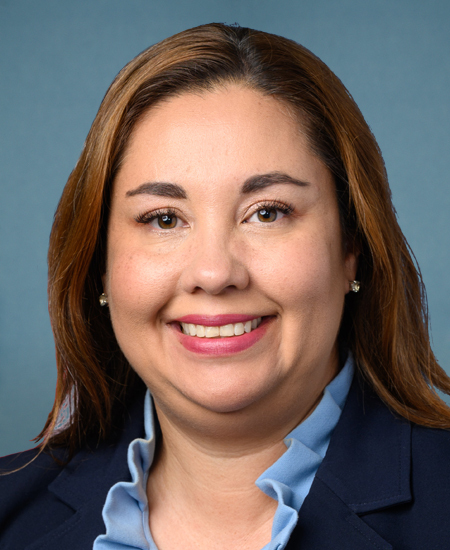
Rep. Yadira Caraveo
Sponsored bills
Maddy summaryHR 1631, the Pro Codes Act, requires standards development organizations (like ANSI or IEEE) to make technical standards publicly accessible online for free if those standards are referenced in federal, state, or local laws or regulations. This directly affects the organizations that create these standards and government agencies that incorporate them into rules. The key provision mandates that organizations must provide free, online access to all referenced standards within a reasonable time after learning they’re incorporated, without charging users or requiring payment. It ensures the public can access current standards used in government rules while allowing organizations to maintain revenue models through paid subscriptions for other users. The law balances public access with the need for standards organizations to fund their work through copyright licensing.
Maddy summaryHRES 1361 is a non-binding resolution designating July 20, 2024, as "National Heroes Day" to honor everyday people who act courageously during crises, such as saving lives in mass shootings. It references events like the 2012 Aurora theater shooting and other recent tragedies but focuses on recognizing all community members who demonstrate selfless bravery. The resolution encourages Americans to observe the day through community service, reflection, and displaying the U.S. flag, without creating new laws or obligations. This symbolic gesture aims to inspire ongoing acts of compassion and service across the country.
Maddy summaryHR 9038, the FAIR Fleets Act, requires the U.S. Postal Service to conduct ongoing assessments of its vehicle distribution and develop a strategic plan to increase fleet availability in underserved areas using fuel-efficient, modern vehicles. The bill mandates an annual report to Congress by December 31 each year, detailing fleet distribution by state, steps taken to improve service in underserved areas, and recommendations for further action. Underserved areas are specifically defined to include rural regions, postal regions with aging vehicles, counties with significant delivery delays, high-poverty urban neighborhoods, and tribal lands. The law aims to improve fleet modernization and equitable distribution across all U.S. regions.
Maddy summaryHR 4581, the Maternal and Child Health Stillbirth Prevention Act of 2024, amends Title V of the Social Security Act to explicitly allow federal funds to support stillbirth prevention efforts. The bill directs states receiving Title V maternal and child health funds to use these resources for evidence-based programs and research aimed at reducing stillbirths, including tracking fetal movements, screening for growth issues, smoking cessation, and community support. It directly affects state maternal health programs by clarifying that existing funding can now cover specific stillbirth prevention activities previously not explicitly permitted. The law changes how Title V funds may be spent, adding clear provisions for research and programs targeting stillbirth reduction. This is a policy change that updates funding guidelines without creating new programs or mandates.
Maddy summaryHRES 1355 is a non-binding resolution supporting the designation of July 10 as Journeyman Lineworkers Recognition Day. It honors lineworkers who maintain electrical infrastructure under hazardous conditions, including during disasters, and commemorates Henry Miller, the first president of the International Brotherhood of Electrical Workers, who died on July 10, 1896, while troubleshooting an electrical outage. The resolution encourages public recognition of these workers' contributions but does not create new laws or policies.
Maddy summaryHR 8974 establishes a voluntary certification program recognizing employers in industries with high human trafficking risk for providing employee training to identify and respond to suspected trafficking. Employers must apply annually with details about their training, and the Homeland Security Secretary awards a one-year certificate to eligible businesses. The program prohibits false displays of the certificate and requires annual reports to Congress on participation, fees, and program costs. It directly affects private-sector employers in designated high-risk industries, not public agencies or all businesses.
Maddy summaryHR 8923 establishes a dedicated Animal Cruelty Crimes Section within the Department of Justice's Environment and Natural Resources Division to enforce federal animal cruelty laws. The section will coordinate with agencies like the FBI, USDA, and U.S. Marshals to investigate and prosecute animal cruelty cases, which often require specialized handling. It must submit annual reports to Congress detailing prosecutions, convictions, and unfiled investigations, broken down by specific law and state. This bill directly affects federal law enforcement efforts in animal cruelty cases nationwide, aiming to reduce delays and improve enforcement.
Maddy summaryThis bill (HR 2365, Public Law 118-66) directs the U.S. Department of Health and Human Services (HHS) to establish the National Parkinson’s Project. It requires HHS to create and update a coordinated national plan for preventing, diagnosing, treating, and researching Parkinson’s disease and related disorders (including multiple system atrophy and progressive supranuclear palsy), while coordinating federal research and care efforts across agencies like the NIH, CDC, and VA. The law mandates annual progress assessments, an advisory council with patient advocates and diverse experts, and annual reports to Congress on federal Parkinson’s programs and recommendations for improvement. It affects federal agencies managing Parkinson’s-related programs and aims to improve care coordination and research efficiency for patients and caregivers, with the law sunsetting in 2035.
Maddy summaryHRES 1330 is a non-binding resolution supporting Alzheimer’s and Brain Awareness Month in June. It recognizes the significant impact of Alzheimer’s disease on millions of Americans, including high prevalence among women and racial/ethnic minorities. The resolution encourages the public to educate themselves about Alzheimer’s, advocate for research and support services, and offer assistance to affected individuals, families, and caregivers. It does not create new programs, funding, or legal obligations. The resolution is directed at raising public awareness and fostering community support during the designated month.