

Maddy summaryHR 1002, the "Saving the Civil Service Act," restricts how federal government positions can be moved between competitive hiring (where most federal jobs are filled through merit-based exams) and non-competitive "excepted service" positions. The bill prevents agencies from moving positions out of the competitive service unless they fit specific schedules in place as of September 2020, requires Office of Personnel Management (OPM) approval for certain transfers, and mandates employee consent for any position transfer between service types. It also limits the number of employees that can be moved from competitive to excepted service during a presidential term - capping it at 1% of an agency's workforce or five employees, whichever is greater. The bill directly affects federal employees and agencies by making it harder to shift positions out of the competitive hiring system without strict oversight.
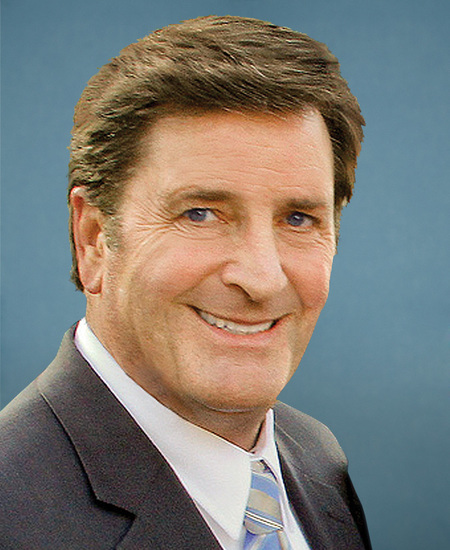
Rep. John Garamendi
Sponsored bills
American Port Access Privileges Act of 2023 This bill requires port authorities that receive funding under the Port Infrastructure Development Program or Maritime Transportation System Emergency Relief Program to provide preferential berthing for loading and unloading certain vessels, including U.S. flagged vessels and those under contract to the federal government. The Bureau of Transportation Statistics may collect data on berthing and cargo practices at U.S. ports.
Maddy summaryThe AIM Act of 2023 removes numerous restrictions on the Bureau of Alcohol, Tobacco, Firearms and Explosives (ATF) that were previously placed in annual appropriations bills. The bill eliminates prohibitions on sharing firearms trace data with law enforcement, requirements for physical inventory checks of firearms dealers, and the 24-hour destruction rule for background check records. It also revises standards for revoking firearms licenses, changing the requirement from "willful" to "knowing" violations, and removes barriers to processing Freedom of Information Act requests related to firearms. This legislation directly affects the ATF's operations and firearms dealers who must comply with federal licensing requirements.
Stop the Delta Tunnel Act This bill prohibits the U.S. Army Corps of Engineers (USACE) from issuing a federal permit that would be necessary to build the proposed Delta Conveyance Project in California. Specifically, the USACE may not issue a Section 404 permit (i.e., a permit that allows for the discharge of dredged or fill material into navigable waters) for the project. The USACE published a draft environmental impact statement in December 2022 about the project, which involves constructing new California State Water Project diversion and conveyance facilities in the Sacramento-San Joaquin Delta. The Delta Conveyance Project includes an underground tunnel to deliver water south of the delta.
Maddy summaryThe Saracini Enhanced Aviation Safety Act of 2023 requires the Federal Aviation Administration (FAA) to mandate secondary cockpit barriers on all commercial passenger aircraft operating under standard airline regulations. Specifically, it directs the FAA to issue an order requiring installation of these barriers within 18 months of the law's enactment. This applies to most major airlines operating scheduled passenger flights in the U.S. The key provision is the new safety requirement for barriers to prevent unauthorized cockpit access during flights. The law directly affects commercial airlines and their aircraft, focusing on a concrete operational safety change without specifying cost or implementation details.
Maddy summaryHR 782 prohibits state officials from interfering with abortion services provided across state lines. It specifically blocks states from restricting: (1) out-of-state patients traveling for legal abortions, (2) providers offering such services, (3) assistance for travel or care, or (4) the interstate shipment of FDA-approved abortion drugs. The bill allows the federal Attorney General or affected individuals to sue violators for injunctions, damages, and attorney fees. It directly affects patients seeking care in other states, healthcare providers, transportation services, and pharmacies handling FDA-approved abortion medications. The law focuses on preventing state laws from blocking access to legally permitted abortion services.
Maddy summaryThis bill authorizes the award of a Congressional Gold Medal to honor the volunteers and communities who supported the North Platte Canteen during World War II. It directs the U.S. Mint to create a gold medal commemorating the approximately 55,000 volunteers (mostly women) from Nebraska, Colorado, and Kansas who served over 6 million troops from 1941 to 1946. The medal will be displayed at the Lincoln County Historical Museum in North Platte, Nebraska, and bronze duplicates may be sold to cover minting costs. The bill is purely commemorative, with no policy changes or direct effects on current laws or programs.
Maddy summaryHR 927, the Supreme Court Ethics Act, establishes new ethics rules and oversight for Supreme Court justices. It requires the Judicial Conference to create a binding code of conduct within one year and mandates the appointment of an Ethics Investigations Counsel to receive public complaints, investigate potential violations, and issue annual public reports. The bill also requires justices to publicly disclose their reasons for recusing themselves or denying recusal motions in cases. These provisions directly affect Supreme Court justices by creating a formal process for handling ethics concerns and increasing transparency around their conduct.
Maddy summaryThe Child Care for Every Community Act establishes a federal program to provide universal, high-quality child care and early learning services for all young children not yet required to attend school. It provides 90% federal funding for most programs (100% for migrant/seasonal farmworkers and Native American children) with a sliding fee scale based on family income (maximum 7% of income). The bill requires states, tribes, and localities to develop comprehensive plans ensuring services are accessible, culturally appropriate, and meet national quality standards. It specifically focuses on serving low-income children, children with disabilities, dual language learners, homeless children, and children in foster care. The program emphasizes coordination with schools and other community services to support children's development and school readiness.
Maddy summaryHR 926 would require the Supreme Court to establish a code of conduct for justices within 180 days of enactment, along with procedures for handling ethics complaints against them. The bill mandates minimum disclosure standards for gifts, income, and reimbursements received by justices and their law clerks, and requires justices to recuse themselves when they or their family received gifts from parties in a case. It would also require parties and amici curiae to disclose gifts given to justices and lobbying contacts related to justices' nominations, and establish a judicial investigation panel to review complaints against justices. The legislation aims to increase transparency in Supreme Court ethics processes and provide clearer recusal standards for justices.