

Maddy summaryHRES 1510 is a symbolic resolution expressing support for "Military Sexual Trauma Awareness Day" (observed September 25, 2024). It acknowledges that military sexual trauma (MST) affects approximately 1 in 3 women and 1 in 50 men in the military, causing long-term physical and mental health impacts like PTSD and suicide risk. The resolution urges the Department of Defense and Veterans Affairs to improve access to MST-related care, reduce stigma, and ensure survivors receive respectful support without fear of retaliation. It does not create new laws or funding but formally recognizes the need for better systems to support military personnel and veterans affected by MST.
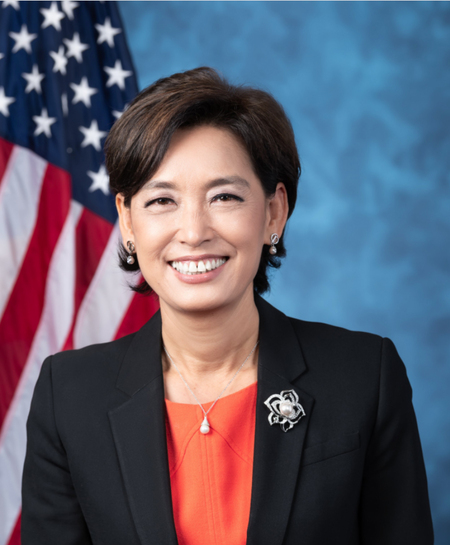
Rep. Young Kim
Sponsored bills
Maddy summaryHR 1719, the Honoring Our Fallen Heroes Act of 2023, establishes a presumption that certain cancers diagnosed in public safety officers (like police and firefighters) are work-related if linked to their duties. It defines 22 specific cancers (including lung, mesothelioma, and WTC-related cancers) as "exposure-related," allowing officers or their families to receive benefits without proving direct work connection, provided they were diagnosed within 15 years of leaving active service. The bill also creates a process for adding new cancers to the list based on scientific evidence, requiring the Bureau to review petitions and make decisions within 180 days. This applies to deaths or disabilities occurring on or after January 1, 2023, directly affecting officers who developed covered cancers during service.
Maddy summaryThis symbolic resolution (HRES 1435) expresses U.S. House concern about proposed constitutional reforms in Mexico, particularly those affecting the judiciary. It highlights that Mexico’s reforms would require federal judges (including Supreme Court justices) to be directly elected, eliminate independent judicial oversight, and reduce qualification standards. The resolution states these changes could undermine Mexico’s democratic institutions, separation of powers, and judicial independence - potentially harming U.S.-Mexico trade (over $750 billion in 2023) and security cooperation on issues like fentanyl trafficking. The House calls the reforms a risk to shared commitments under the USMCA and urges Mexico to preserve its rule of law framework.
Maddy summaryHR 8683 requires the Secretaries of Defense and State to map global strategic ports critical to U.S. interests (military, economic, or diplomatic) and track China's efforts to build or buy such ports. Within 180 days of enactment, they must submit a strategy to counter Chinese port investments, including analyzing Chinese port capabilities, ongoing projects, and vulnerabilities like cyber attacks linked to China. The bill also mandates coordination with agencies like the Export-Import Bank to promote U.S. or allied alternatives to Chinese port investments. It directly affects federal agencies responsible for defense, diplomacy, and development finance, focusing on monitoring and strategic planning rather than immediate policy changes.
Maddy summaryHR 3433, the "Give Kids a Chance Act of 2024," requires pharmaceutical companies developing certain cancer drugs to conduct pediatric studies if the drugs target molecular pathways relevant to childhood cancers. It directly affects drug manufacturers submitting new applications for cancer treatments, particularly those combining previously approved adult cancer drugs or containing a single new active ingredient. The bill amends FDA regulations to mandate these pediatric investigations only when specific conditions are met, such as when a drug's molecular target is relevant to pediatric cancer growth. The FDA must issue implementing guidance within 12 months, and reports to Congress will track implementation and effectiveness starting 2 years after enactment.
Maddy summaryHRES 1481 is a symbolic resolution (not a law) expressing the House's support for recognizing September 2024 as "National Children's Emotional Wellness Month." It aims to raise public awareness about children's emotional health, highlighting statistics on rising mental health challenges like depression, anxiety, and suicide risk among youth. The resolution specifically encourages broader public attention to these issues, thanks mental health professionals and nonprofits supporting children, and emphasizes the connection between parental mental health and children's well-being. It does not create new programs, allocate funding, or change existing policies - its effect is limited to raising awareness through official recognition.
Maddy summaryHR 9703, the Cross-Boundary Wildfire Solutions Act, is a procedural bill that requires the U.S. Comptroller General to study how wildfire mitigation work across different land ownerships (federal, state, tribal, private). The study will examine existing federal programs, rules, and funding access for agencies like the USDA Forest Service, FEMA, and state/local governments, and assess improvements needed based on past efforts under the Healthy Forests Restoration Act. The Comptroller General must submit a report with findings and recommendations to Congress within two years of the bill's enactment. This bill itself does not create new funding or regulations but aims to identify barriers and opportunities for better cross-boundary wildfire prevention.
Maddy summaryHR 9699, the Pay Our Troops Act, ensures military personnel and key support staff continue receiving pay during government funding gaps in fiscal year 2025. It appropriates funds to cover pay and allowances for active-duty troops, Department of Defense civilians, and qualifying contractors supporting military operations, if regular appropriations aren't enacted. The funding remains in effect until the earliest of: a new appropriations law, a funding resolution without such funding, or January 1, 2026. This bill does not change pay rates or create new policies - it guarantees existing pay continuity during budget transitions.
Maddy summaryHR 6319 (the 911 SAVES Act of 2023) requires the Office of Management and Budget to reclassify public safety telecommunicators as "Protective Service Occupations" within 30 days of enactment. This change corrects their current misclassification in the federal Standard Occupational Classification (SOC) system, which is used for statistical data on jobs. The bill directly affects how these professionals - critical in emergency calls involving missing children, active threats, and officer safety - are officially categorized in government workforce data. It does not create new benefits or funding but aims to better recognize their lifesaving role through accurate federal job classification.
Maddy summaryThis bill creates a new occupational category (code 31-1123) within the federal Standard Occupational Classification system specifically for direct support professionals (DSPs) who assist people with intellectual or developmental disabilities. It directly affects DSPs, state agencies, and federal data collectors by reclassifying their work - currently grouped under home health aides - into a distinct category. The key mechanism is revising the SOC system to better track DSP workforce data, address high turnover rates (43% nationally), and recognize their unique role in promoting clients' independence and community inclusion. This change aims to improve data accuracy for addressing staffing challenges, without altering service delivery or benefits.