

Maddy summaryHRES 685 is a non-binding resolution expressing support for adding antiphospholipid syndrome (APS) testing to standard prenatal screening. APS is an immune condition causing blood clots that can lead to miscarriages and stillbirths, currently not tested for routinely despite causing about 15% of recurrent pregnancy losses. The resolution urges medical associations to update guidelines to recommend APS testing as standard during prenatal care, rather than only for women with specific histories of pregnancy loss. It does not change current medical practice but advocates for updated recommendations to potentially prevent pregnancy complications.
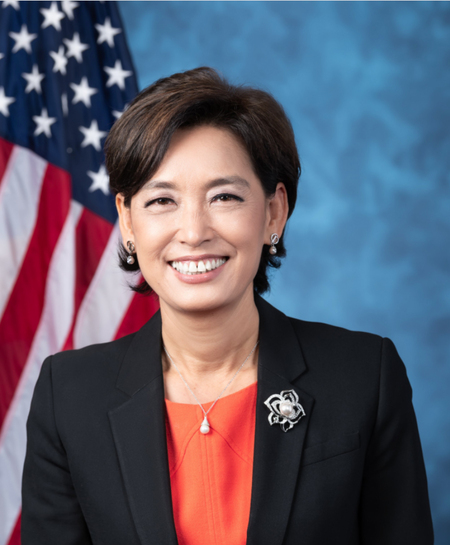
Rep. Young Kim
Sponsored bills
Maddy summaryHR 5145, the Bipartisan Premium Tax Credit Extension Act, extends enhanced federal subsidies for health insurance premiums through 2026. It directly affects individuals purchasing coverage through health insurance marketplaces who qualify for premium tax credits. The bill extends the period for increased credit amounts (through 2026 instead of 2025) and maintains the rule allowing tax credits for households earning above 400% of the federal poverty level. These changes apply to tax years beginning after December 31, 2025.
Maddy summaryThis bill prohibits Members of Congress, their spouses, and dependent children from owning or trading certain investments, including stocks, commodities, and derivatives (referred to as "covered investments"). It requires affected individuals to divest these investments within 90-180 days, with specific exemptions for Treasury bonds, diversified mutual funds, small business interests, and family trusts meeting strict conditions. Violations incur penalties of 10% of the investment's value plus disgorgement of profits, paid directly to the U.S. Treasury. The law applies to all covered individuals during federal service, with exceptions for investments acquired through inheritance or occupational trading (e.g., a spouse’s finance job).
Maddy summaryThe PARTNER Act (HR 4490) authorizes the U.S. President to extend diplomatic privileges and immunities to five international organizations: the Association of Southeast Asian Nations (ASEAN), CERN (European nuclear research group), the Pacific Islands Forum, the Caribbean Community, and the African Union. It modifies existing law to allow these organizations to receive the same diplomatic protections as other international bodies the U.S. collaborates with under treaties or congressional authorization. The bill does not create new policy but adjusts legal authority for diplomatic recognition, affecting how these organizations interact with U.S. government operations. This is a procedural change, not a substantive policy shift, and applies only to diplomatic privileges, not other forms of engagement.
Maddy summaryThe ARMOR Act streamlines defense trade processes among the U.S., U.K., and Australia by expanding an expedited review system for military exports and transfers within these nations. It requires the President to submit annual reports detailing licenses issued, applicants, and defense items covered, and mandates an annual review of the "Excluded Technologies List" to ensure only necessary items require licensing. The bill directly affects defense companies, government agencies, and military contractors handling cross-border defense articles and services. Key changes include broadening licensing rules to cover reexports, retransfers, and temporary imports, while clarifying congressional notification requirements for defense transfers. These provisions aim to reduce administrative delays in defense cooperation without altering existing security policies.
Maddy summaryThis bill is a congressional resolution expressing U.S. policy priorities regarding Xinjiang. It urges China to open Xinjiang to international access, cease repression of Uyghurs and other minorities, release specific detained individuals (including Ekper Asat, Dr. Gulshan Abbas, and Kamile Wayit), and stop transnational repression against Uyghur families abroad. The bill directs the State Department to coordinate U.S. policy on Uyghur issues, prioritize support for Uyghur communities, establish reporting mechanisms for transnational repression, and develop strategies to pressure China on detention facilities. It also requires U.S. diplomatic posts in China to have Uyghur-language capabilities and directs U.S. advocacy at the United Nations to address human rights concerns.
Maddy summaryThis bill amends U.S. sanctions law to target Chinese entities and officials involved in fentanyl trafficking. It redefines "foreign opioid trafficker" to include Chinese chemical companies or government officials (like those in the National Narcotics Control Commission) that fail to prevent fentanyl precursor trafficking or cooperate with U.S. efforts. Key mechanisms include requiring China to implement stricter chemical shipment labeling and "know-your-customer" procedures, extending sanctions periods from 5 to 10 years, and mandating annual presidential reports to Congress on drug trafficking emergencies. The bill explicitly excludes importation of goods from sanctions coverage.
Maddy summaryThis bill changes Medicaid payment rules to provide more financial support for safety-net hospitals - those serving high numbers of low-income patients. It allows states to use unspent federal funds from prior years to increase payments to these hospitals, without exceeding the overall annual funding cap. States cannot recoup payments already made to hospitals under older rules, and must report any increased payments in their annual Medicaid reports. The changes apply to payments for Medicaid plan years starting after the bill's enactment.
Maddy summaryThis bill requires the Health and Human Services and Labor Secretaries to review all federal grant programs supporting the nursing workforce and submit a report to Congress within one year. The report must include recommendations to improve specific goals: increasing nursing faculty (especially in underserved areas), creating pathways for experienced nurses to become faculty, and expanding opportunities for licensed practical nurses to become registered nurses. It does not create new funding or programs but mandates a comprehensive review of existing initiatives. The bill directly affects federal agencies managing nursing workforce grants and aims to identify ways to strengthen nursing education pipelines.
This bill designates the facility of the United States Postal Service located at 1444 Main Street in Ramona, California, as the "Archie Moore Post Office Building".