

Maddy summaryHJRES 53 proposes a constitutional amendment to ban slavery and involuntary servitude as a criminal punishment. Currently, the 13th Amendment to the U.S. Constitution permits such punishments for crimes, creating a legal loophole. If ratified by 3/4 of state legislatures, this amendment would eliminate that exception nationwide, making it unconstitutional to impose forced labor or slavery as part of criminal sentences. The change would directly affect all states' criminal justice systems, particularly prison labor practices, by prohibiting these punishments for any offense.
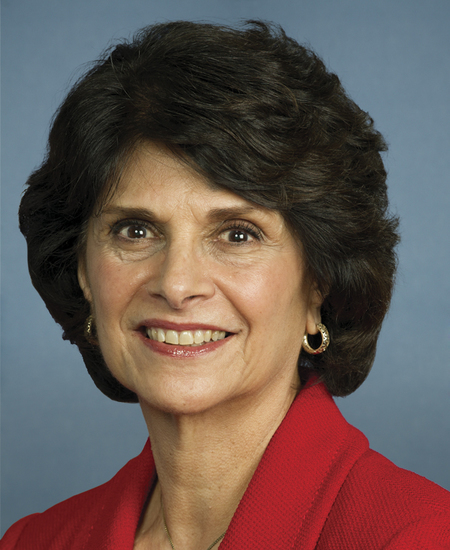
Rep. Lucille Roybal-Allard
Sponsored bills
This resolution supports access to contraception and related reproductive health services, including by affirming the substantive due process rights that protect such access.
This resolution expresses the sense of the House of Representatives that the proposed constitutional amendment known as the Equal Rights Amendment has been duly proposed by Congress and ratified by the states and is therefore valid as the Twenty-Eighth Amendment to the Constitution. (The proposed amendment prohibits the United States or any state from denying or abridging equal rights under the law on account of sex.)
This resolution recognizes the annual celebration of Dia de los Muertos. The resolution urges the United States and the Department of Homeland Security to promote policies that uphold the human dignity of each migrant person and put an end to migrant deaths along the U.S.-Mexico border. Finally, this resolution calls on the United States and the Department of Health and Human Services to promote policies focused on COVID-19 protections and ensure that all communities have equal access to these to put an end to COVID-19 related deaths.
This resolution states that an efficient legal immigration system advances American values, interests, and prosperity. It also calls upon U.S. Citizenship and Immigration Services to reduce and ultimately end processing delays while ensuring reliable, thorough, and fair adjudications without imposing unwarranted fees.
This resolution recognizes Immigrant Heritage Month in honor of the contributions immigrants and their children have made to the United States. It also welcomes immigrants presently in the United States and individuals seeking to immigrate to the United States to contribute to the health, safety, diversity, and prosperity of the United States.
This resolution expresses support for (1) equal rights and protections for all people, regardless of actual or perceived sexual orientation or gender identity; and (2) the designation of LGBTQ Equality Day on June 26 to commemorate Supreme Court decisions handed down on that day in 2003, 2013, and 2015. The resolution also acknowledges the need for further legislation to ensure that people in the United States are free from all forms of discrimination on the basis of actual or perceived sexual orientation or gender identity.
Governing Unaccredited Representatives Defrauding VA Benefits Act or the GUARD VA Benefits Act This bill imposes criminal penalties and/or fines on individuals for directly or indirectly soliciting, contracting for, charging, or receiving any unauthorized fee or compensation with respect to the preparation, presentation, or prosecution of any claim for Department of Veterans Affairs benefits. The attempted commission of such offenses is also punishable by fine or imprisonment.
Renewing Immigration Provisions of the Immigration Act of 1929 This bill expands eligibility for a program that authorizes the Department of Homeland Security to, at its discretion, provide lawful permanent resident status to certain long-term residents of the United States, including individuals who are unlawfully present. Currently, this program, sometimes referred to as the Registry program, is only available to eligible non-U.S. nationals ( aliens under federal law) who entered the United States before January 1, 1972. The bill removes this entry cutoff date and opens up the program to eligible individuals who have resided in the United States for at least seven years. Existing requirements (e.g., the individual must not be inadmissible or deportable due to certain grounds related to crime or terrorism) continue to apply.
Backlog Justice Act of 2022 This bill requires certain actions to address the backlog of untested sexual assault kits. For example, the bill (1) directs the Bureau of Justice Assistance to establish a publicly accessible online database regarding untested kits, and (2) requires the Department of Justice to provide an increased amount of certain grant funding for states that have in place electronic evidence tracking systems for these kits.