

Maddy summaryThe Justice in Forensic Algorithms Act of 2024 requires the National Institute of Standards and Technology (NIST) to create testing standards for forensic software used in criminal cases. These standards mandate testing for bias across race, gender, and other demographics, alongside assessments of accuracy, reliability, and transparency. Federal law enforcement agencies must use only software tested under these standards and publicly report validation results. The bill also ensures defendants can access the software, source code, and testing details used against them, and makes untested software evidence inadmissible in court.
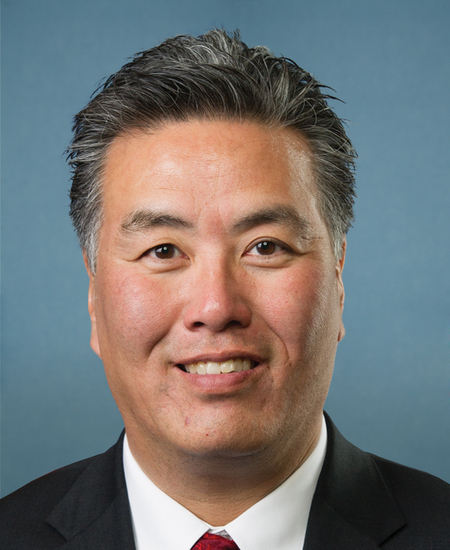
Rep. Mark Takano
Sponsored bills
Maddy summaryHRES 966 is a symbolic resolution condemning alleged sexual violence committed by Hamas during its October 7, 2023, attack on Israel. It specifically references eyewitness accounts, forensic evidence, and Hamas fighters' admissions of ordering gang rape, sexual mutilation, and assault against Israeli civilians. The resolution calls for international condemnation of such acts as weapons of war, urges nations to criminalize sexual violence, and supports investigations into Hamas' actions. As a non-binding resolution, it does not create new laws or directly affect any individuals but formally expresses the House's position on the issue.
Maddy summaryThis bill requires the Consumer Financial Protection Bureau (CFPB) and the Department of Education to share student loan complaint data and coordinate oversight. It mandates that each agency transfer complaints about federal student loans (title IV) or private student loans to the other agency within 10 days of receipt. The agencies must collaborate on resolving complaints involving both federal and private loans, including creating a process for handling issues with defaulted federal loans and private collection agencies. This improves transparency for borrowers by ensuring both agencies work together to address concerns about student loan servicing and origination.
Maddy summaryThis resolution (HRES 1005) is a non-binding expression of the House's opinion, not a law. It states that local print and digital journalism is vital for government transparency, local governance, and preventing political corruption, as these news sources are disappearing due to declining subscriptions, corporate buyouts, and reduced community trust. The resolution calls for federal, state, and local governments to make "all possible efforts" to sustain local news operations and urges Congress to collaborate with news outlets and stakeholders to ensure their continued viability. It directly addresses the growing crisis in local news coverage affecting communities nationwide.
Saving Local News Act This bill includes as a tax-exempt 501(c)(3) charitable organization purpose the publication (including electronic publication) of written news articles. In the case of an organization that is tax-exempt due to the publication of written news articles, the term unrelated business taxable incom e does not include any amount attributable to payments for advertisements in news publications.
Maddy summaryHRES 1002 is a symbolic House resolution recognizing the cultural and historical significance of Lunar New Year (celebrated as the Year of the Dragon in 2024). It acknowledges the holiday's 4,000-year history in China, its celebration across Asia (including Seollal and Tết), and its significance to Asian Americans and others in the U.S. The resolution expresses respect for those observing the holiday and wishes them a happy new year, but it does not create new laws, policies, or funding. As a ceremonial resolution, it has no direct effect on legislation or constituents.
This resolution honors the life and legacy of Rosa Parks by nationally recognizing Transit Equity Day. The resolution also encourages the use of public transportation and the continued work to make public transit accessible for all.
Maddy summaryThis bill requires federal agencies with scientific libraries (including Executive departments, military departments, and agencies like EPA and NASA) to make journal subscription costs transparent and improve employee access to scientific journals. Specifically, it prohibits contracts hiding subscription costs, mandates agencies to provide clear intranet access to library subscriptions for all employees within six months, and requires a 12-month report on improving access to scientific journals. The report must survey current subscriptions, identify barriers like purchasing inefficiencies or regional access issues, and propose solutions. These changes aim to increase transparency and efficiency in how government agencies access scientific research.
Maddy summaryHR 7127, the FAIR Act, establishes pay adjustments for federal employees in 2025. It increases base pay by 4% for most federal workers under statutory pay systems and for "prevailing rate" employees (like those in specific geographic areas), while raising locality pay rates by 3.4%. The bill directly affects all federal employees receiving pay under these systems, as it modifies their 2025 salary calculations. These changes are based on statutory formulas under Title 5 of the U.S. Code, with no new policy mechanisms beyond the specified percentage increases. The adjustments apply to pay rates in effect as of the end of fiscal year 2024.
Maddy summaryHR 7108, the Expanding Access to Mental Health Services in Schools Act of 2024, authorizes federal grants to help high-need public schools hire and retain mental health staff. It targets schools that meet specific criteria: being in the top 15% of need (based on student poverty or other metrics) and failing to meet minimum staffing ratios for counselors, psychologists, or social workers. Grants fund recruitment (through salary stipends or loan repayment), retention (via professional development or incentives), and evidence-based mental health services, with grantees required to contribute 25% matching funds and report annually on provider numbers, demographics, and student-to-provider ratios. The program runs through 2029 and requires all services to comply with privacy laws like FERPA.