

Maddy summaryThis bill would create a pathway to permanent residency for non-citizens who worked in designated essential sectors during the pandemic. It would allow eligible workers in healthcare, emergency response, sanitation, food services, agriculture, construction, and other critical industries to apply for permanent residence if they've been physically present in the U.S. since January 1, 2023, after meeting background check requirements. The bill includes application fee exemptions for low-income applicants and protections against employer retaliation for workers seeking documents to support their applications. It also includes special provisions for those who have been ordered removed from the U.S. to apply for status under this program.
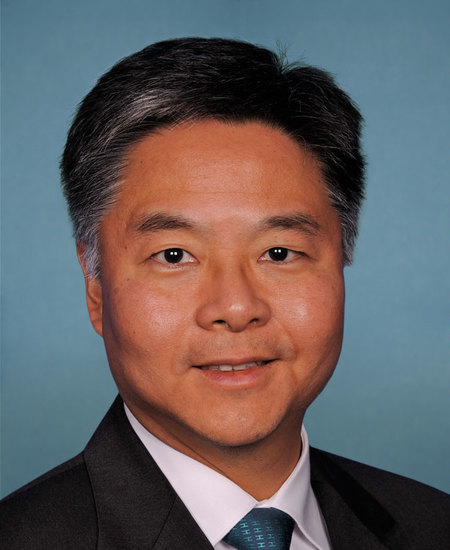
Rep. Ted Lieu
Sponsored bills
Maddy summaryThe Postal Police Reform Act of 2023 updates federal law to explicitly include "Postal Service police officers" alongside Postal Inspectors as authorized personnel for enforcing regulations on U.S. Postal Service property. It clarifies that the Postmaster General can establish and post rules for protecting postal property, with violations punishable by fines or up to 30 days in jail. This change directly affects USPS police officers (by formalizing their role), the Postmaster General (by expanding regulatory authority), and anyone on postal property who must follow posted rules. The bill makes existing enforcement procedures more explicit without altering penalties or creating new requirements.
Maddy summaryThe Protecting America's Workers Act expands workplace safety protections to public employees, including those working for state and local governments who were previously excluded from some OSHA protections. It strengthens whistleblower protections by prohibiting retaliation against employees who report safety concerns, refuse to perform dangerous tasks, or report work-related injuries. The bill requires employers to promptly report work-related deaths and hospitalizations, prohibits policies that discourage injury reporting, and mandates posting of employee safety rights information. It also increases penalties for safety violations and improves access to information for victims and families during workplace investigations. These changes apply to all employers covered by OSHA, with specific implementation timelines for state and local government workplaces.
Maddy summaryThis bill protects living organ donors from insurance discrimination by prohibiting life, disability, and long-term care insurers from denying coverage, raising premiums, or altering policy terms solely because someone donated an organ while alive. It also updates the Family and Medical Leave Act to include recovery from organ donation surgery as a qualifying health condition, allowing donors to take protected leave for this purpose. Additionally, the bill requires the Health and Human Services Secretary to update public educational materials about living donation benefits, risks, and insurance protections within six months of enactment. These changes directly affect living organ donors, insurers, employers, and healthcare systems by ensuring fair access to insurance and workplace leave.
Maddy summaryHR 2904, the Anti-Racism in Public Health Act of 2023, establishes a National Center on Antiracism and Health within the CDC. The center will declare racism a public health crisis, conduct research on how structural racism affects health outcomes, and develop data systems to track health disparities across race, ethnicity, gender, and other factors. It will fund regional centers in minority communities, create public health interventions, and require CDC to report annually on antiracist efforts. This bill directly affects public health agencies, researchers, and communities of color by mandating systemic analysis of racial inequities in healthcare and public health policy.
Maddy summaryThe PREPARE Act establishes a new pre-disaster mitigation loan program for small businesses through the Small Business Administration (SBA). It authorizes $25 million annually from 2024 to 2028 to provide loans of up to $500,000 per business, enabling small businesses to fund projects that protect their property and operations from disaster damage (e.g., flood barriers or structural reinforcements). The SBA must conduct targeted outreach to businesses in economically distressed areas, offer technical assistance, and require borrowers to maintain insurance during loan terms. Annual reports will track program outcomes, including project types, cost savings avoided, and regional impacts, to evaluate effectiveness.
Maddy summaryThis bill authorizes $350 million annually for fiscal years 2024-2026 to establish the "Baltic Security Initiative," a U.S. defense program focused on strengthening security cooperation with Estonia, Latvia, and Lithuania (the "Baltic countries"). It requires the Secretary of Defense to develop a strategy within one year to enhance military capabilities like missile defense, cyber resilience, long-range weapons, and coordination with NATO allies - including Poland - to deter Russian aggression and address security threats from Russia and China. The initiative operates under existing U.S. defense authorities (Title 10, U.S. Code) and mandates a report to Congress detailing how these security objectives will be achieved. The bill directly affects U.S. defense funding and the security planning of the three Baltic nations.
Forced Arbitration Injustice Repeal Act of 2023 or the FAIR Act of 2023 This bill prohibits a predispute arbitration agreement from being valid or enforceable if it requires arbitration of an employment, consumer, antitrust, or civil rights dispute.
Maddy summaryThe RAP Act of 2023 (HR 2952) would prevent prosecutors and plaintiffs from using a defendant’s creative or artistic works - such as poems, songs, art, or films - as evidence in court, unless specific exceptions apply. It requires the government to prove by clear evidence that the work was meant literally (not figuratively), directly relates to the specific facts of the case, is relevant to disputed facts, and has unique value beyond other evidence. If admitted, courts must redact the work to limit its presentation and provide jury instructions about its restricted use. This bill directly affects defendants in both criminal and civil cases who create artistic expression, aiming to protect their creative works from being misused in legal proceedings.
Performing Artist Tax Parity Act of 2023 This bill modifies the above-the-line tax deduction for the expenses of performing artists (including commissions paid to managers or agents) to provide for a phaseout of such deduction for taxpayers whose adjusted gross income exceeds $100,000 ($200,000 for joint return filers). The $100,000 phaseout threshold is adjusted for inflation annually for taxable years beginning after 2023.