

Maddy summaryThe John R. Lewis Voting Rights Advancement Act of 2023 would strengthen the Voting Rights Act of 1965 by updating the criteria for which states and localities must obtain federal preclearance before changing voting practices. It would establish new standards for proving vote dilution and vote denial by requiring courts to consider historical discrimination, racial polarization in voting, and whether voting practices disproportionately burden minority voters. The bill would also require states and localities to provide public notice of voting changes and share demographic data about polling locations. These changes would primarily affect jurisdictions with a history of voting rights violations, aiming to prevent discriminatory voting practices before they take effect.
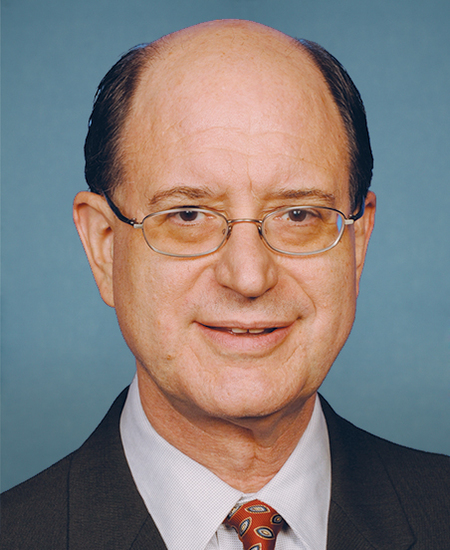
Rep. Brad Sherman
Sponsored bills
Maddy summaryThe Humane Cosmetics Act of 2023 bans cosmetic animal testing in the United States, prohibiting companies from conducting or contracting such testing after its enactment (effective 1 year later). It also bans selling or transporting cosmetics developed using animal testing conducted after that date within U.S. interstate commerce. The law directly affects cosmetic manufacturers, retailers, and suppliers operating in the U.S. market, requiring them to use non-animal testing methods for safety evaluations. Exceptions exist for foreign regulatory requirements or when no alternative testing methods are available for specific ingredients.
Maddy summaryThe No Tax Breaks for Union Busting Act would deny tax deductions for employers who attempt to influence employees' decisions about union activities, including unfair labor practices like firing workers for organizing or using captive audience meetings. It targets expenses related to union-busting tactics, such as consulting fees and other costs used to sway workers' opinions about collective bargaining. Employers would need to report these expenses on tax returns and would no longer be able to deduct them from taxable income. The bill aims to prevent employers from using tax-deductible expenses to influence union elections, aligning with existing rules that deny tax deductions for political spending. It would apply to expenses incurred in taxable years beginning 240 days after enactment.
Maddy summaryHR 5428, the No Tax Breaks for Union Busting (NTBUB) Act, prevents employers from deducting certain expenses related to influencing workers' decisions about union representation. It targets spending on tactics like anti-union meetings, workplace surveillance, or consultants during organizing campaigns, making these costs non-deductible for tax purposes. Employers must report such expenses on their tax returns, including details about the activities and amounts spent. The bill aims to remove tax incentives for employer interference in union elections, aligning with federal labor law protections for workers' collective bargaining rights.
Maddy summaryHR 3152, the "Fight CRIME Act," aims to maintain international restrictions on Iran's missile-related activities by requiring diplomatic efforts to extend these restrictions before they expire in October 2023. The bill mandates annual reports detailing U.S. diplomatic strategies, potential impacts of expiration, and measures to deter missile technology transfers to Iran. It establishes sanctions against foreign individuals or entities that knowingly support Iran's missile or drone programs, including asset freezes and visa restrictions. These sanctions apply regardless of whether UN restrictions remain in effect after their expiration, directly affecting foreign entities involved in these activities.
Maddy summaryHRES 492 is a congressional resolution condemning the Iranian government's systematic persecution of the Baha'i minority, which directly affects Baha'is in Iran facing arrests, property confiscation, and imprisonment. The resolution specifically calls for Iran to immediately release Baha'is detained for their faith, end state-sponsored hate propaganda against them, and reverse discriminatory policies denying equal access to education, employment, and religious freedom. It urges the U.S. President and Secretary of State to demand Iran’s compliance with international human rights treaties and to use existing sanctions authorities (under the 2010 and 2012 Iran sanctions laws) against officials responsible for these abuses. The resolution does not impose new legal requirements but serves as a formal U.S. government statement of condemnation and a call for diplomatic and sanctions action.
Maddy summaryHR 5419, the Direct Seller and Real Estate Agent Harmonization Act, amends the Fair Labor Standards Act to exclude direct sellers (like door-to-door sales representatives) and qualified real estate agents from the federal definition of "employee." This change means these workers would no longer be automatically covered by federal minimum wage and overtime protections under the Fair Labor Standards Act. The bill directly affects individuals working in these specific roles by altering their legal classification under labor law. The key provision is a new definition inserted into existing law, aligning labor classification with existing tax code definitions for these professions.
Maddy summaryThis bill removes a regulatory barrier for U.S. exports of high-performance computers to India. It amends a 1998 law to allow the President to remove India from the "Computer Tier 3" list (which requires special licenses) since India is already designated a U.S. Major Defense Partner. This change would directly affect U.S. technology companies exporting qualifying computers to Indian businesses, researchers, and government entities. The bill does not create new funding or programs but streamlines existing export processes for these specific items under current national security frameworks.
Maddy summaryThis bill would prevent government shutdowns by automatically continuing federal funding at the previous year's level if Congress fails to pass annual budget bills by October 1. It requires Congress to prioritize budget legislation over other matters during funding gaps, with only limited exceptions for true emergencies like national security threats. All federal programs and agencies would operate using prior-year funding rates until a new budget is enacted, applying broadly across the government unless specific exemptions exist under current law. The bill does not create new spending but changes the process to avoid shutdowns by default.
Maddy summaryHR 5351, the Nationwide Right to Unionize Act, repeals a federal law (Section 14(b) of the National Labor Relations Act) that currently allows states to enact "right-to-work" laws. This would prevent states from banning agreements requiring workers to pay union dues as a condition of employment, directly affecting workers in states with such laws. The bill's key mechanism is overriding state right-to-work statutes with federal law, ensuring union security agreements remain enforceable nationwide.