

Maddy summaryHR 1654, the DEPOSIT Act, imposes a new tax on certain bank executives' bonuses and stock profits when their bank fails and the FDIC becomes conservator or receiver. It specifically targets executives who earned over $250,000 (adjusted for excluded profits) in the year before their bank's failure and received bonuses within 60 days prior to the FDIC takeover or sold bank stock within that same period. The tax adds 90% of bonus profits and 100% of stock profit amounts to the executive's regular income tax. All revenue generated from this tax will be directed to the Deposit Insurance Fund, which protects bank deposits.
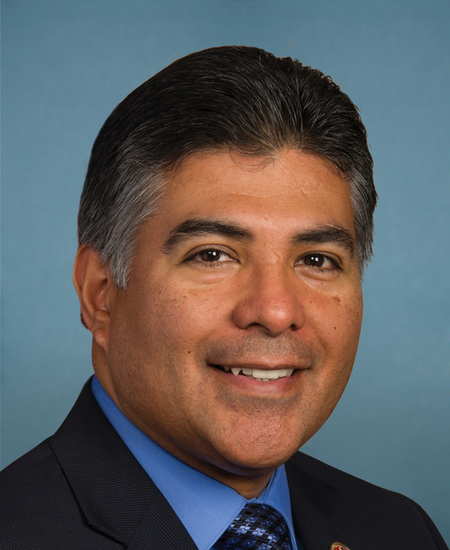
Rep. Tony Cárdenas
Sponsored bills
Maddy summaryThis bill authorizes a Congressional Gold Medal to honor the "Hello Girls" - female telephone operators who served in the Army Signal Corps during World War I. They provided critical battlefield communications in France (connecting 26 million calls), wore military uniforms, and faced combat risks, but were denied veteran benefits for 60 years due to being classified as civilian contractors. The medal recognizes their pioneering service, devotion, and the decades-long struggle to gain military recognition. The award follows similar recognition for other WWII women veterans and aims to correct the historical injustice they faced.
Maddy summaryThe SVB Act (HR 1602) repeals Title IV of the 2018 Economic Growth, Regulatory Relief, and Consumer Protection Act, which had relaxed banking regulations. It directly affects banks previously subject to those relaxed rules, particularly smaller institutions that benefited from the 2018 changes. The bill’s key mechanism is restoring the pre-2018 regulatory framework, reversing the specific provisions that eased oversight. This returns banking oversight to the structure that existed before the 2018 law took effect, without creating new rules.
Maddy summaryHRES 191 is a symbolic House resolution designating September 2023 as "National LEAD Month" to support greater diversity and inclusion in the entertainment industry. It expresses the House's backing for efforts to increase representation of underrepresented communities - such as racial minorities, women, LGBTQ+ individuals, and people with disabilities - across creative and leadership roles. The resolution encourages awareness campaigns, diversity, equity, and inclusion (DEI) programs like bias training, mentorship partnerships, and inclusive storytelling. It does not create new laws or funding but urges industry stakeholders to prioritize equitable opportunities. The resolution was introduced by Rep. Yvette Clarke and others in March 2023.
Maddy summaryHRES 185 is a non-binding House resolution declaring racism a public health crisis in the United States. It directly affects communities of color - including Black, Latino, Native American, and Asian American populations - who experience significant health disparities like higher infant mortality rates, shorter life expectancy, and worse outcomes for conditions like heart disease and diabetes. The resolution cites evidence showing racism meets all four public health crisis criteria (widespread impact, unfair distribution, preventable, and lacking current solutions) and calls for a nationwide strategy to dismantle systemic racism and address its health impacts. It does not create new laws or funding but urges federal agencies to prioritize racial equity in health policy.
Maddy summaryThis bill requires Medicaid to cover dental and oral health services for adults beginning in 2025, directly affecting low-income adults enrolled in Medicaid. It defines covered services to include preventive care, restorative treatments, dentures, implants, and emergency dental care. The bill increases federal funding for these services (100% FMAP for a 12-quarter period starting in 2025) and requires states to implement new quality measures tracking oral health outcomes and disparities. It also mandates reports on access barriers and creates outreach programs to improve culturally competent dental care for underserved populations.
Maddy summaryHR 1241 establishes a competitive grant program to help local governments and tribes streamline zoning and permitting for broadband infrastructure deployment, directly benefiting unserved rural and low-income communities. Eligible entities must adopt efficient processes, like expedited review for micro-trenching and cost-based fees, before receiving grants to fund staff training or technology for faster application processing. The bill also creates a Local Broadband Advisory Council to develop solutions for deployment challenges, reporting to Congress within a year. It provides federal funding to support local efforts without imposing new regulations, focusing on accelerating broadband access through improved local government capacity.
Maddy summaryThe Paycheck Fairness Act (HR 17) strengthens equal pay protections by amending the Fair Labor Standards Act. It prohibits pay discrimination based on sex, pregnancy, childbirth, sexual orientation, gender identity, and sex characteristics. The bill modifies employer defenses for pay differences to require demonstration that any disparity is job-related, consistent with business necessity, and accounts for the entire pay differential. It also prohibits employers from relying on wage history when making hiring decisions or setting pay, enhances penalties for violations, and requires the EEOC to collect compensation data disaggregated by sex, race, and national origin.
Maddy summaryHCONRES 22 is a symbolic resolution recognizing the persistent gender pay gap in the U.S., documenting that women earn significantly less than men across racial groups (e.g., Black women earn 67 cents for every dollar earned by White men). It highlights the economic impact of this disparity, noting women lose over $958 billion annually in wages and face barriers like occupational segregation and workplace harassment. The resolution does not create new laws or policies but formally acknowledges the issue and reaffirms Congress’s commitment to addressing the gap. It references specific Equal Pay Days (e.g., March 14 for all women) to underscore the time women must work to earn what men did the previous year.
Maddy summaryHR 1478 requires federal firearm dealers to implement physical security measures, including locked cabinets, security systems, and video surveillance, to prevent gun thefts. The bill mandates quarterly inventory checks, extends background check record retention from 24 hours to 90 days, and repeals restrictions that prevented the ATF from disclosing crime gun trace data. It increases penalties for violations, including fines up to $20,000 and license suspension or revocation for repeated failures. The bill directly affects all federally licensed firearm dealers, manufacturers, and importers by holding them accountable for security failures and recordkeeping. This legislation aims to reduce gun trafficking by strengthening enforcement and transparency in the firearm industry.