

Maddy summaryHR 4963, the Tax Fairness for Workers Act, would restore tax deductions for certain employee expenses. It creates an above-the-line deduction for union dues and expenses paid by wage-earning employees, and allows miscellaneous itemized deductions for other work-related expenses (like uniforms or supplies) that were previously disallowed after 2017 tax law changes. These provisions directly affect employees who pay union dues or incur qualifying job-related costs. The bill amends specific sections of the Internal Revenue Code to make these deductions available for taxable years beginning after December 31, 2022. It does not change tax rates or provide new benefits, only reinstating previously eliminated deductions for eligible workers.
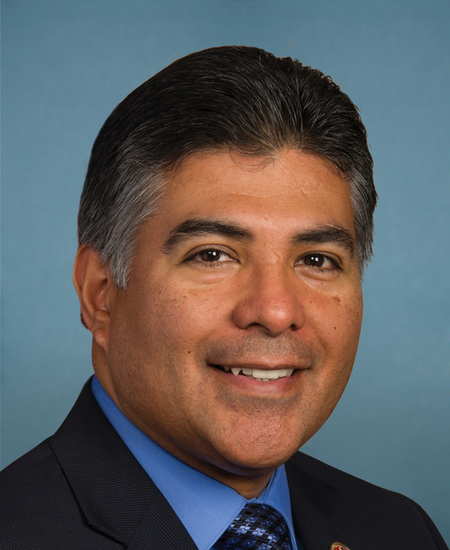
Rep. Tony Cárdenas
Sponsored bills
Maddy summaryThis bill prevents juvenile offenders and their families from being jailed or forced to pay court fees, fines, or child support as a condition of probation. States must certify they prohibit these fees (including costs for attorneys, prosecution, or detention) to qualify for federal grants. The grants fund evidence-based mental health services and diversion programs for at-risk youth in detention, aiming to reduce reliance on incarceration. A national report will track how fees impact different demographic groups and incarceration rates.
Maddy summaryHR 4954, the Immigrants’ Mental Health Act of 2023, requires U.S. Customs and Border Protection (CBP) to train agents to identify mental health risks in immigrants and refugees arriving at the border, using trauma-informed approaches and language assistance. It mandates that each CBP facility employ at least one bilingual mental health expert qualified in trauma-informed care, particularly for children and families, and authorizes $3 million annually for this staffing. The bill also prohibits sharing mental health information collected by Health and Human Services (HHS) with Immigration and Customs Enforcement (ICE) for asylum, immigration, or deportation proceedings. These provisions directly affect immigrants/refugees in CBP custody, CBP personnel, and HHS/ICE staff handling mental health data. The law aims to improve mental health screening and privacy while addressing stress for CBP staff.
Maddy summaryHR 4973, the Community-Based Gang Intervention Act, creates a new federal grant program to fund nonprofit organizations with expertise in gang intervention. These agencies receive funding to directly reduce gang violence by providing street mediation, negotiating truces between rival gangs, offering 24/7 crisis intervention, and delivering mental health services, job training, and victim support to gang-involved youth, their families, and affected communities. The bill mandates that grant recipients must provide services without discrimination based on race, gender, or criminal history. It specifically targets reducing gang-related violence through community-level engagement and specialized support, rather than punitive measures. The program applies to all communities experiencing gang violence, with services designed for youth under 18 (or the maximum age for juvenile jurisdiction in their state).
Maddy summaryThis federal bill (HR 4976) requires law enforcement to notify a minor’s parent, guardian, or legal custodian within 24 hours of arresting them for a crime and mandates that minors under 18 must consult with a lawyer in person before waiving their right to remain silent or request legal counsel during police questioning. It prohibits temporary substitute lawyers from representing minors during interrogation and makes any statement obtained in violation of these rules inadmissible in U.S. criminal prosecutions. An exception allows questioning without these protections only if police need immediate information to prevent an imminent threat to life. The law applies specifically to federal criminal cases involving minors under 18.
Maddy summaryThis bill prohibits the commercial import, sale, or distribution of kangaroos and kangaroo products (like leather goods made from their hides) within the United States. It directly affects businesses involved in importing or selling these items, including retailers, importers, and manufacturers. The key provision bans bringing kangaroos into the U.S. for sale, selling kangaroo products, or advertising such items in interstate commerce. Violations carry fines up to $10,000 or up to one year in prison per offense, and the Commerce Secretary must issue implementing regulations.
Maddy summaryThe Break the Cycle of Violence Act establishes federal grants to fund community-based violence intervention programs in areas disproportionately affected by gun violence, particularly communities of color. It authorizes $300 million for 2024, increasing to $700 million annually through 2031, for evidence-informed strategies including trauma-responsive care, violence interruption, and economic opportunities for opportunity youth (ages 16-25 not in school or employment). The bill requires grantees to implement culturally competent services targeting individuals at high risk of violence or victimization, with a focus on reducing gun violence without contributing to mass incarceration. It creates a National Community Violence Response Center to coordinate data collection, research, and best practices for community violence prevention. The legislation also includes provisions for job training and workforce development programs through the Department of Labor to connect opportunity youth with in-demand occupations.
Maddy summaryHR 4965, the Kimberly Vaughan Firearm Safe Storage Act, requires the Attorney General to create voluntary best practices for safe firearm storage in homes, businesses, vehicles, and other locations within 180 days of enactment, with public input. Starting January 1, 2025, firearm manufacturers must include a "SAFE STORAGE SAVES LIVES" notice with each new handgun, rifle, or shotgun, directing buyers to the public website with these guidelines. The bill also establishes a $10 million annual grant program for states and tribes to fund public programs distributing safe firearm storage devices (like locked containers) and requires grantees to use at least 75% of funds for these programs. It does not mandate storage for individuals but provides resources and information to promote safer practices.
Maddy summaryHRES 578 is a non-binding House resolution calling for the immediate release of Eyvin Hernandez, a U.S. citizen and Los Angeles County public defender wrongfully detained by Venezuela since March 2022. The resolution urges U.S. officials, including the President and Secretary of State, to press Venezuela for his release and condemns Venezuela’s practice of detaining U.S. citizens for political purposes. It specifically references Hernandez’s wrongful detention without evidence or fair trial, noting his status as a Department of State-designated wrongfully detained individual. The resolution expresses support for Hernandez and other Americans detained abroad, without creating new legal requirements or funding.
Maddy summaryThis bill establishes new federal requirements for employers to prevent heat-related illness and injury among workers. It mandates that employers provide safe work environments by implementing specific measures, including access to cool water, scheduled rest breaks in shaded areas, employer-paid cooling equipment, and training for employees and supervisors on recognizing heat illness symptoms. The Secretary of Labor must create these standards within one year, requiring employers in high-heat occupations (like construction, agriculture, and outdoor labor) to adopt engineering controls, administrative schedules, and health protocols. Key provisions include ensuring hydration, rest, and language-accessible training, while preserving existing safety protections and allowing for updates as scientific evidence evolves.