

Maddy summaryThe Price Gouging Prevention Act of 2025 prohibits selling goods or services at grossly excessive prices during exceptional market shocks like natural disasters, energy shortages, or public health emergencies. It creates a presumption of violation when companies with "unfair leverage" (revenue over $1 billion, dominant market position, or other factors) increase prices beyond normal market fluctuations. The law requires public companies to disclose detailed pricing information in SEC filings during these emergencies, including explanations for price increases and how costs affected pricing. The Federal Trade Commission and state attorneys general would enforce the law, with civil penalties up to 5% of a company's revenue for violations. The bill also appropriates $1 billion to fund FTC enforcement efforts.
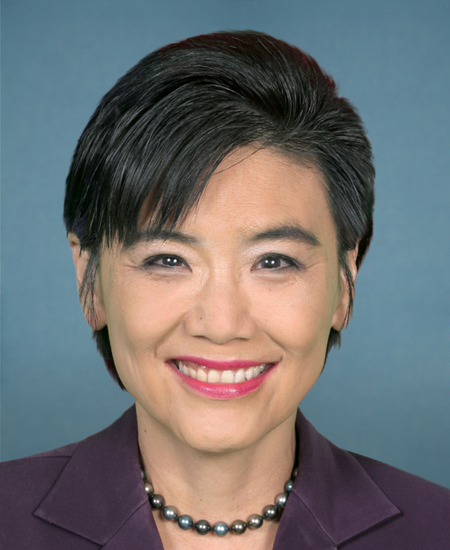
Rep. Judy Chu
Sponsored bills
Maddy summaryThis bill establishes the Office of Climate Change and Health Equity within the Department of Health and Human Services to coordinate federal efforts addressing climate change's health impacts. It requires the creation of a National Strategic Action Plan to identify communities most affected by climate-related health threats - including environmental justice communities, medically underserved communities, and Tribal communities - and develop strategies for preparedness and response. The plan must address specific health impacts like extreme heat, air pollution, infectious diseases, and mental health effects, while prioritizing health equity and environmental justice. The bill also creates a Science Advisory Board to provide expert guidance and authorizes funding for these initiatives over several years. These provisions are designed to strengthen the health sector's ability to respond to climate change impacts across the United States.
Maddy summaryThis bill restricts federal law enforcement officers and military personnel (including National Guard) from conducting crowd control, arrests, or detentions during protests, demonstrations, or riots outside federal property unless specific exceptions apply. It requires officers to visibly display their agency and name/identifier during such operations and prohibits using unmarked vehicles or obscuring identification. Federal agencies must also publish public notices within 24 hours after deployments, detailing the date, personnel numbers, mission purpose, and detainee locations. These provisions apply to all federal law enforcement actions involving civil disobedience or public demonstrations, with exceptions only for state/local written requests or emergency federal action under the Insurrection Act.
Maddy summaryHCONRES 44 is a symbolic resolution recognizing a health and safety emergency for children linked to the Trump administration's climate policies. It claims these policies - unleashing fossil fuel production, blocking renewable energy, and suppressing climate science - disproportionately harm children through increased air pollution, extreme weather, and denied access to climate data. The resolution calls for reversing these policies, restoring the EPA's mission, and ensuring climate action aligns with protecting children's rights. It does not enact new laws or change policy, but serves as a formal congressional statement of concern.
Maddy summaryThis bill prohibits U.S. Immigration and Customs Enforcement (ICE) from using federal funds to detain or transport U.S. citizens during civil immigration enforcement actions. It directly affects ICE operations by blocking funding for any activity that would hold or move citizens outside the U.S. under immigration laws. The key mechanism is a specific funding restriction in the bill text, stating no funds may be used for detaining or transporting citizens. This applies to all civil immigration enforcement activities defined under the Immigration and Nationality Act. The bill does not create new enforcement powers but limits how existing funds can be spent.
Maddy summaryThis bill establishes federal worker heat protection standards to prevent heat-related illness and injury. It requires employers to provide a workplace free from heat stress hazards, including access to cool water, scheduled rest breaks, shaded cooling areas, and training on heat illness symptoms. The Secretary of Labor must create these standards within one year, incorporating evidence-based practices like engineering controls (e.g., ventilation), administrative measures (e.g., adjusted schedules), and employer-paid personal protective equipment. The law directly affects all employers in high-heat work environments - such as construction, agriculture, and manufacturing - and strengthens whistleblower protections for workers reporting safety violations.
Maddy summaryThe Housing Is a Human Right Act of 2025 creates new federal programs to address homelessness and housing instability. It establishes a CDBG Plus program to fund permanent affordable housing, supportive services, and basic infrastructure like public bathrooms and rest areas for homeless individuals. The bill prohibits criminalizing homelessness (such as sleeping in public) and requires jurisdictions to adopt "Housing First" approaches that connect people to housing without preconditions like sobriety requirements. It also creates new taxes on luxury real estate sales and large landlords to fund these programs, and includes provisions to help homeless people vote by removing barriers like ID requirements. The bill directly affects people experiencing homelessness, housing instability, and those who are cost-burdened (spending over 22% of income on housing), as well as local governments and housing providers.
Maddy summaryHR 4440, the *Protecting Federal Employee Rights to Personnel Files Act of 2025*, requires federal agencies to provide current and former employees with copies of their official personnel files. Current employees must receive copies within seven days of requesting them, while employees who separated after the law's enactment get copies within seven days of separation. Former employees who separated before the law's enactment must receive copies within 21 days of requesting them from the Office of Personnel Management. The bill mandates these copies be provided in both electronic and physical formats, directly affecting all federal workers seeking access to their personnel records.
Maddy summaryThe Child Care for Working Families Act creates a federal program to provide affordable, high-quality child care for working families with children under age 6. It would provide direct child care assistance through certificates or grants to parents, with no copayment required for families at or below 85% of state median income. The program requires states to implement quality standards for child care providers, including a tiered quality system and minimum wage requirements for staff (at least a living wage equivalent to elementary educators). The bill appropriates $20 billion for the program over five years, with additional funding for quality improvement initiatives and universal preschool services.
Maddy summaryHR 4365, the Consumer Online Payment Transparency and Integrity Act, requires businesses to clearly disclose automatic renewal terms and cancellation procedures when selling goods or services with free trials or automatic renewal features. It mandates 7-day advance notice before charging consumers for renewals, requires express consent for each renewal (not just initial sign-up), and ensures cancellation is as easy as signing up (via online tools or toll-free numbers). The bill also prohibits "dark patterns" (manipulative design) from tricking consumers into unintended charges and voids automatic renewals if businesses violate these rules, requiring refunds for affected consumers. This directly affects consumers who encounter surprise charges from subscriptions or free trials that convert to paid services without clear consent.