

Maddy summaryHR 9168, the Plug Offshore Wells Act, requires the U.S. Department of the Interior to issue annual reports starting two years after the law's enactment. These reports must detail the number of decommissioning applications received, wells/platforms not decommissioned on time, approvals for decommissioning in place, pipeline removal status, and enforcement actions related to offshore oil and gas operations. The reports will be submitted to Congress and made publicly available online. This bill directly affects the Department of the Interior's reporting obligations and provides transparency on offshore decommissioning compliance.
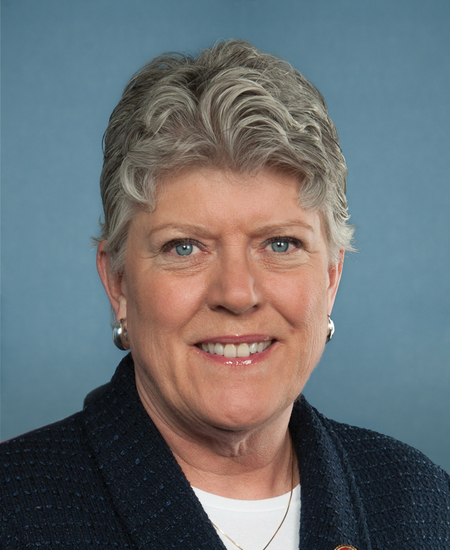
Rep. Julia Brownley
Sponsored bills
Maddy summaryH.J. Res. 193 proposes a constitutional amendment to eliminate legal immunity for federal officials, including the President, from criminal prosecution for actions taken while performing official duties. It also prohibits the President from granting a pardon to themselves. The amendment would apply to all federal officers (such as the President, Vice President, and members of Congress) except for Congress members acting in their legislative role as defined in the Constitution. If ratified by 38 states, this change would become part of the U.S. Constitution, requiring no further congressional action.
Maddy summaryHRES 1381 is a symbolic resolution that commemorates the United States Olympic and Paralympic Teams' historical achievements, including over 5,300 total medals across past Games. It expresses congressional support for U.S. athletes competing in the 2024 Summer Olympics and Paralympics in Paris, France, and commends the Government of France for hosting the events. The resolution also commits to ensuring a safe environment for the 2028 Los Angeles Olympic and Paralympic Games. As a non-binding expression of support, it does not create new laws or allocate funds.
Maddy summaryThe SAFE Act establishes a national strategy to protect fish, wildlife, and plants from climate change impacts by requiring federal agencies to integrate climate adaptation into their conservation plans. It creates a Working Group to develop and update a National Strategy, establishes a Climate Adaptation Science Center Network for scientific support, and mandates that states develop their own adaptation plans to receive federal funding. The bill directly affects federal agencies, state governments, Indian Tribes, and Native Hawaiian organizations, emphasizing collaboration and incorporation of traditional ecological knowledge. Key mechanisms include regular review of the National Strategy, requirements for state adaptation plans addressing climate impacts on ecosystems, and coordination across different government levels. This legislation focuses on concrete policy changes to enhance ecosystem resilience to climate change effects like extreme weather, habitat loss, and species migration.
Maddy summaryHR 9104, the Access to Birth Control Act, requires pharmacies that normally stock contraception to provide birth control or related medications without delay if in stock, or immediately offer alternatives like referrals to other pharmacies or expedited orders if unavailable. It prohibits pharmacists from intimidating customers, misrepresenting availability, breaching confidentiality, or refusing to fill valid prescriptions for birth control. Pharmacies violating these rules face civil penalties up to $1,000 per day or private lawsuits. The law specifically applies to pharmacies that routinely carry contraception and excludes cases where a valid prescription is missing or payment cannot be made. It aims to address documented refusals to dispense birth control, particularly following the Dobbs decision.
Maddy summaryHR 6362, the Protecting Benefits for Disabled Veterans Act of 2023, allows the VA to assign a total disability rating to veterans with service-connected disabilities who cannot work due to those conditions. It specifies that veterans qualify if they have one disability rated at least 60% or multiple disabilities totaling 70% (with at least one at 40%), and the VA must consider certain disability combinations as a single condition. The bill prohibits the VA from considering a veteran’s age or Social Security benefits when making this determination, and clarifies that veterans maintaining marginal employment (below the poverty threshold) may still qualify for total disability. This change directly affects disabled veterans seeking full benefits by providing clearer pathways to qualify for total disability ratings based on employment impact.
Maddy summaryThis bill amends a section of law governing Department of Veterans Affairs (VA) employee compensation to clarify that disputes over whether an employee received the correct pay amount under existing rules are not considered "adjustment of compensation" under the statute. It specifically excludes grievances challenging pay accuracy from the definition of "establishment, determination, or adjustment of employee compensation." The change directly affects VA employees covered under Section 7421(b) who might file such pay-related grievances. The bill makes a technical clarification to streamline how these disputes are categorized within VA's compensation process.
Maddy summaryThis bill expands temporary licensing for healthcare professionals conducting VA disability exams to include podiatrists, dentists, and optometrists (previously limited to psychologists). It extends the temporary license period from three to five years and requires the VA to submit a detailed report within 15 months on exam volumes, geographic distribution, professional types involved, and errors in authorization. The changes directly affect contract health care professionals and VA disability evaluation processes. The report must address exam numbers, states/territories covered, professional categories, and corrective plans for unauthorized exams.
Maddy summaryHR 8418, the Lethal Means Safety Training Act, requires the Department of Veterans Affairs (VA) to update its suicide prevention training to be culturally appropriate and based on expert best practices within 180 days of the bill's enactment. The training must be taken by VA employees who interact with veterans (including health and benefits staff), contractor examiners, community care providers, and family caregivers supporting veterans - initially within 90 days of hire or assignment, then annually. The VA must publish annual reports showing completion rates across these groups and make the training publicly available online. This bill mandates concrete training requirements for VA staff and partners to improve lethal means safety practices, without altering benefits or funding.
Maddy summaryHRES 1355 is a non-binding resolution supporting the designation of July 10 as Journeyman Lineworkers Recognition Day. It honors lineworkers who maintain electrical infrastructure under hazardous conditions, including during disasters, and commemorates Henry Miller, the first president of the International Brotherhood of Electrical Workers, who died on July 10, 1896, while troubleshooting an electrical outage. The resolution encourages public recognition of these workers' contributions but does not create new laws or policies.