

Maddy summaryHR 2469, the Abortion DOULAS Act, mandates a study by the Secretary of Health and Human Services on abortion doula care - non-clinical support provided by trained professionals before, during, and after abortions. The study will collect data from patients, doulas, and providers to assess benefits, barriers (like cost and limited Medicaid coverage), and accessibility, especially for marginalized communities. It requires a report to Congress within 18 months, including recommendations for integrating abortion doula care into state Medicaid programs. The bill directly affects patients seeking abortion care, abortion doulas, and state Medicaid systems by focusing on evidence-based policy development. It does not alter current coverage but aims to inform future policy changes.
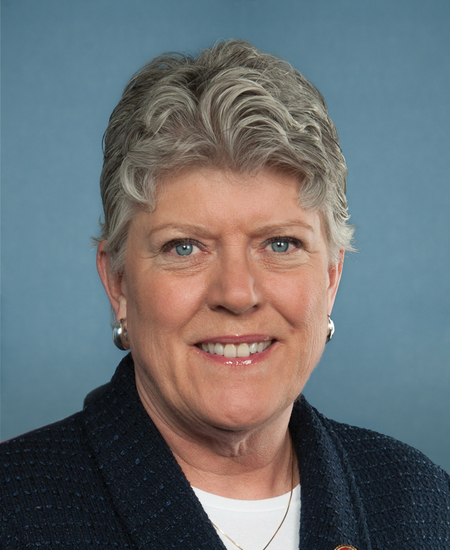
Rep. Julia Brownley
Sponsored bills
Maddy summaryHR 2467, America's Red Rock Wilderness Act, would designate approximately 1.3 million acres of public land across Utah as wilderness areas, protecting them from development and managing them for conservation. The bill specifically designates 77 wilderness areas in the Great Basin and Colorado Plateau regions, including lands within existing national monuments like Grand Staircase-Escalante and Bears Ears. It includes provisions for water rights protection, allows continued livestock grazing under certain conditions, and withdraws the designated lands from mining and mineral leasing. The bill also ensures Tribal rights are protected and requires the Secretary of the Interior to administer these areas according to wilderness management standards.
Maddy summaryThis bill provides housing loans and education assistance to Black World War II veterans who were denied GI Bill benefits due to racial discrimination, or to their surviving spouses, children, or direct descendants. To qualify, applicants must certify they were denied benefits on racial grounds under the original 1944 GI Bill and apply within five years of the law's enactment. The Department of Veterans Affairs must implement these provisions within 90 days and report to Congress on participation and program costs. It specifically addresses documented historical discrimination where Black veterans were steered toward vocational training instead of college, with only 6% earning degrees compared to 19% of White veterans.
Maddy summaryThe PHIT Act of 2025 allows taxpayers to deduct certain fitness-related expenses as medical costs on their federal tax returns. It directly affects individuals and families who pay for qualifying physical activity programs, such as gym memberships, fitness classes, or approved equipment. Key provisions include setting annual limits ($1,000 per person or $2,000 for joint returns), defining eligible fitness facilities (excluding golf courses or private clubs), and specifying that equipment must be used exclusively for physical activity. The bill amends the Internal Revenue Code to treat these expenses as deductible medical costs, effective for taxable years after its enactment.
Maddy summaryThis bill would require federal firearms licensees to prohibit sales of specific high-capacity rifles and shotguns to people under 21. It targets semiautomatic centerfire rifles and shotguns capable of holding more than 5 rounds in their magazines, raising the age limit from 18 to 21 for these weapons. Exceptions apply for active military members and certain government employees authorized to carry firearms. The law directly affects gun retailers and individuals under 21 seeking to purchase these specific firearms. It modifies existing federal gun sale rules without changing age requirements for other firearms.
Maddy summaryHR 2366, the American Families United Act, amends immigration law to expand discretion for the Attorney General and Secretary of Homeland Security regarding family-related cases. It allows them to halt removal proceedings or grant relief for spouses and children of U.S. citizens if removal would cause "hardship" (with family separation presumed to constitute hardship), including special provisions for widows/orphans of deceased citizens. The bill also permits waiving certain inadmissibility grounds and excludes cases involving serious violations like terrorism or criminal offenses. This policy change directly affects noncitizens facing removal proceedings who have U.S. citizen family members, without creating new benefits but modifying existing discretionary authority.
Maddy summaryThis bill amends a provision of law governing eligibility for Department of Veterans Affairs headstones, markers, and burial receptacles. It removes a requirement that a veteran must have died on or after November 11, 1998, to qualify for these burial benefits. By eliminating this date cutoff, the bill expands eligibility to veterans who died before that date. This change would directly affect veterans who died prior to November 11, 1998, and their families, allowing them to receive these burial benefits.
Maddy summaryHCONRES 21 is a symbolic House resolution recognizing the persistent gender wage gap in the U.S., where women earn significantly less than men for comparable work. It cites specific data showing women overall earn 75 cents and women of color earn even less (e.g., 58 cents for Latinas) per dollar earned by White, non-Hispanic men. The resolution does not create new laws or policies but formally acknowledges the economic impact of this disparity, including annual lost wages exceeding $994 million for full-time women workers. It also highlights designated Equal Pay Days for different demographic groups to underscore the varying timelines to close the gap.
Protecting Students with Disabilities Act This bill prohibits the use of appropriated funds to eliminate the Department of Education's (ED's) oversight of the Individuals with Disabilities Education Act (IDEA). (The IDEA authorizes grant programs that support special education and early intervention services for children with disabilities. Currently, the IDEA is administered by the Office of Special Education Programs in the Office of Special Education and Rehabilitative Services in ED.) Specifically, the bill prohibits the use of appropriated funds to eliminate, consolidate, or otherwise restructure any office within ED that administers or enforces programs under the IDEA. Further, appropriated funds may not be used to (1) terminate, reassign, or alter the responsibilities of any personnel of any such office; or (2) contract with, or delegate to, any entity outside of ED to administer or enforce IDEA programs. (On March 20, 2025, President Donald Trump signed an executive order titled Improving Education Outcomes by Empowering Parents, States, and Communities , calling for the closure of ED and giving authority over education to the states. Further, the Trump Administration has announced plans to transfer ED's oversight of services for students with disabilities to the Department of Health and Human Services.)
Brake for Kids Act of 2025 This bill directs the Department of Transportation (DOT) to produce and distribute a national public safety campaign on the dangers of illegally passing stopped school buses. Specifically, the campaign must increase awareness and education about the issue through a variety of media, including television, radio, and social media advertising. DOT must use Infrastructure Investment and Jobs Act funds to produce and distribute the campaign.