

Maddy summaryHR 1788, the "Goldie’s Act," strengthens USDA enforcement of the Animal Welfare Act. It requires annual inspections of all regulated animal businesses (like dealers, research facilities, and exhibitors) and mandates immediate, humane confiscation of animals suffering due to violations, while prohibiting owners from destroying animals during this process. The bill increases civil penalties to $10,000 per violation, requires hearing panels including veterinarians, and mandates that penalties consider business size and violation severity. It also requires USDA to share violation records with local animal control within 24 hours.
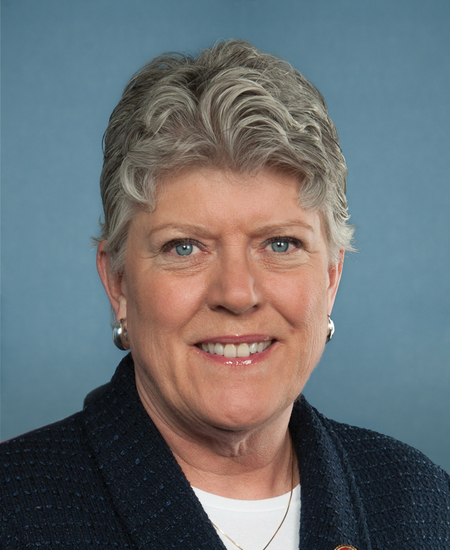
Rep. Julia Brownley
Sponsored bills
Maddy summaryThis bill establishes a comprehensive framework to address environmental justice by requiring federal agencies to identify and address disproportionately adverse environmental and health effects on communities of color, low-income communities, and Tribal and Indigenous communities. It creates a White House Environmental Justice Interagency Council to coordinate federal efforts, mandates that agencies develop environmental justice strategies, and requires consideration of cumulative impacts in permitting decisions for pollution sources. The bill also establishes grant programs for environmental justice communities, creates training requirements for federal employees, and includes specific provisions for safer cosmetics and economic revitalization in fossil fuel-dependent communities. These provisions aim to ensure fair treatment and meaningful involvement of all people in environmental decision-making processes, directly affecting federal agencies and communities disproportionately burdened by environmental hazards.
Maddy summaryHR 2808, the Arnold Daniel Palmer Commemorative Coin Act, authorizes the U.S. Mint to produce three commemorative coins in 2029 honoring golfer Arnold Palmer: $5 gold coins (50,000 max), $1 silver coins (400,000 max), and half-dollar clad coins (750,000 max). The bill requires coin designs to feature Palmer's image and includes surcharges ($35 for gold, $10 for silver, $5 for half-dollar) that fund the Arnold & Winnie Palmer Foundation. All surcharge revenue must support the Foundation's work in youth health, character development through golf, and nature wellness programs. The coins are legal tender but will only be issued in 2029, with all funds covering minting costs before surcharges are directed to the Foundation.
Maddy summaryHR 2800, the Master Sergeant Roddie Edmonds Congressional Gold Medal Act, authorizes a posthumous Congressional Gold Medal to honor Master Sergeant Roddie Edmonds for his actions during World War II. The bill directs the Treasury Secretary to strike a gold medal commemorating Edmonds' bravery, specifically his defiance of Nazi orders to separate Jewish-American prisoners at Stalag IX-A, which saved approximately 200 lives. The medal will be presented to Edmonds' son, Pastor Christopher Waring Edmonds, or his next of kin, with bronze duplicates available for sale to cover costs. This is a commemorative measure recognizing Edmonds' service, not a policy change affecting current legislation or programs.
Maddy summaryThe Armenian Genocide Education Act (HR 2803) establishes a Library of Congress program to support U.S. schools in teaching about the Armenian Genocide of 1915-1923. The program will develop educational resources, provide teacher training, and maintain an online resource center to help schools incorporate accurate historical information into curricula. It prioritizes schools without existing Armenian Genocide education programs, with $2 million authorized annually for five years. The Librarian of Congress will report yearly on the program’s activities to Congress.
Maddy summaryThis bill establishes national goals for reducing aviation greenhouse gas emissions (35% reduction by 2035, net zero by 2050) and defines sustainable aviation fuel (SAF) as fuel meeting specific environmental and technical standards. It creates a $200 million annual grant program (2024-2028) to support U.S. production, transportation, and storage of SAF, while establishing a low carbon fuel standard requiring progressively lower carbon intensity in aviation fuels. The Department of Defense must purchase at least 10% sustainable aviation fuel by 2025 if competitively priced and domestically produced. These provisions directly affect airlines, fuel producers, the Department of Defense, and other entities involved in aviation fuel production and consumption, with tax credits extended for SAF production through 2032.
This resolution urges (1) the President to issue a proclamation recognizing Earth Day; and (2) governments and people to continue building upon the Paris Agreement and other efforts to ensure that future generations inherit a livable, sustainable, and ecologically rich planet.
Maddy summaryThe Community Solar Consumer Choice Act of 2023 requires electric utilities to offer community solar programs that provide equitable access for all customers, including low-income households. It establishes a federal program under the Department of Energy to increase community solar access for low-income individuals, businesses, nonprofits, and state/local governments through technical assistance, support for innovative financing models, and data sharing from national laboratories. The program aligns with existing federal efforts for low-income communities and mandates that utilities begin implementing these programs within one year, completing full compliance within two years. This policy directly affects utilities, low-income ratepayers, and community solar developers by creating new requirements and resources for expanded solar access.
Maddy summaryThe No Child Left Inside Act of 2023 provides federal funding to states for implementing environmental literacy plans in K-12 education. It authorizes grants for states to support partnerships between schools and environmental organizations to create outdoor learning opportunities, integrate environmental education into curricula, and provide teacher professional development. The bill prioritizes funding for high-need schools and requires states to develop plans that include field experiences, assessment of student environmental literacy, and strategies to improve academic achievement. A separate pilot program funds residential outdoor school programs that connect classroom learning to real-world environmental experiences. States receiving funds must report annually on program implementation and outcomes to ensure accountability.
Maddy summaryHR 2785, the REEF Act, amends a 2020 law to change when certain payments from the Railroad Unemployment Insurance Account take effect. It retroactively applies changes to these payments as if they had been in place before the national emergency related to the COVID-19 pandemic ended. This directly affects railroad workers who receive unemployment benefits through this account, ensuring they receive payments under the revised timing. The bill's key change is making the effective date of these payment rules apply retroactively from before the pandemic emergency period.