

Maddy summaryThe HELPER Act of 2023 creates a new FHA mortgage insurance program specifically for first responders and K-12 teachers. It allows eligible first-time homebuyers in these professions to secure mortgages with 100% financing (no down payment required) for purchasing or repairing a primary residence. To qualify, applicants must be employed as law enforcement, firefighters, paramedics, or K-12 teachers, have completed housing counseling, and meet specific employment history requirements (e.g., 4 years in the role or disability-related release). The program authorizes $660,000 for fiscal year 2024 and $160,000 annually through 2030, with authority expiring after 5 years.
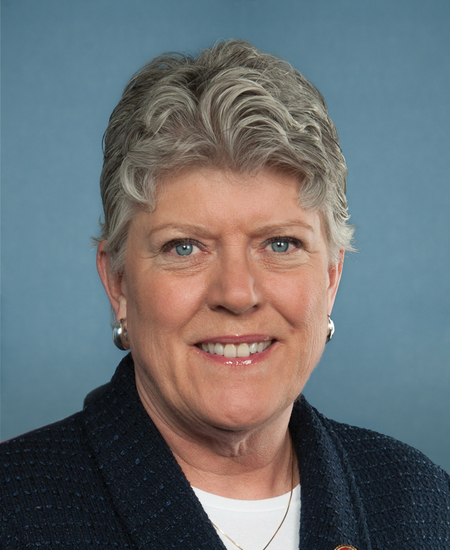
Rep. Julia Brownley
Sponsored bills
Maddy summaryHR 1750 sets a new minimum standard for pasteurized orange juice, requiring finished products to contain at least 10.0% orange juice soluble solids (excluding any added sweeteners) by weight. This rule directly affects manufacturers producing and selling pasteurized orange juice in the U.S. market. The bill revises existing federal regulations to enforce this minimum juice content level, ensuring a more consistent product definition. It does not change the Secretary of Health and Human Services' existing authority to further adjust these standards.
Maddy summaryThe Transit to Trails Act establishes a federal grant program to fund transportation projects connecting critically underserved communities - defined as areas lacking adequate park access, low-income, communities of color, or environmental justice areas - to public lands and recreational spaces. Eligible entities, including states, local governments, tribal organizations, and park districts, can apply for grants to develop transportation connectors (like bus routes) and culturally appropriate education materials, with priority for projects using low-emission vehicles and offering discounted fares for low-income riders. Grants range from $25,000 to $500,000, with federal funding covering up to 80% of costs, and recipients must report on demographics served and project outcomes. The program is funded at $40 million annually in its fifth year, aiming to improve mobility to parks and recreation in communities historically excluded from such access.
Maddy summaryThe Central Coast Heritage Protection Act (HR 2545) designates 12 new wilderness areas and 2 scenic areas in California's Central Coast region, protecting approximately 230,000 acres of federal land managed by the Bureau of Land Management and Forest Service. The bill incorporates existing wilderness areas into the National Wilderness Preservation System while establishing "potential wilderness" areas (Machesna Mountain and Fox Mountain) that will become official wilderness after trail modifications or 20 years. It also designates specific river segments as Wild and Scenic Rivers, creates the 400-mile Condor National Scenic Trail, and includes provisions for limited motorized use on existing trails and Tribal access for cultural purposes. The bill affects land management practices on federal public lands in California, prioritizing conservation while accommodating certain existing uses like water diversions and electricity lines.
Rim of the Valley Corridor Preservation Act This bill adjusts the boundary of the Santa Monica Mountains National Recreation Area in California as depicted on a specified map to include the Rim of the Valley Unit. The Rim of the Valley Unit, and any lands or interests acquired by the United States and located within its boundaries, shall be administered as part of the recreation area. The Department of the Interior may acquire only through exchange, donation, or purchase from a willing seller any nonfederal land within the boundaries of the Rim of the Valley Unit.
Maddy summaryHCONRES 37 is a non-binding congressional resolution expressing that Congress views climate change as an emergency requiring a massive national mobilization. It states that human-caused climate change severely impacts U.S. economic well-being, health, safety, and national security, and urges the President to use existing authorities to accelerate climate action. The resolution does not create new laws or funding but emphasizes the need for urgent, equitable efforts to reduce emissions, address environmental injustice, and support vulnerable communities disproportionately affected by climate impacts. It cites rising global temperatures, extreme weather costs ($165 billion in U.S. disasters in 2022), and the Inflation Reduction Act as context, while clarifying it does not declare an actual national emergency.
Maddy summaryHRES 351 is a symbolic resolution designating May as "National Menstrual Health Awareness Month" to address stigma around menstruation. It recognizes that stigma and lack of access to products/facilities impact women, girls, and people who menstruate in education, work, and health. The resolution supports normalizing menstruation, improving menstrual health education, and promoting access to products and private sanitation facilities. As a non-binding resolution, it does not create new laws but aims to raise awareness and advance gender equity through public acknowledgment.
Maddy summaryHR 3106, the Preventing Deepfakes of Intimate Images Act, creates a legal right for individuals whose realistic digital manipulations of intimate images (such as uncovered genitals, bodily fluids, or sexually explicit conduct) are disclosed without consent. It allows victims to sue for civil damages, including up to $150,000 in liquidated damages, actual harm, or punitive penalties, and seek court orders to stop further disclosure. The bill specifically protects identifiable individuals (not just public figures) and covers images created or altered using digital manipulation, excluding cases involving law enforcement, public interest, or good-faith disclosures. Criminal penalties up to 10 years may apply for malicious disclosure with intent to harass or cause harm. This directly affects anyone whose intimate images are deepfaked without permission, providing new legal recourse against perpetrators.
Maddy summaryThis bill removes a restriction that previously barred people in jail or prison while awaiting trial from receiving Medicaid health benefits. It directly affects individuals in custody pending legal proceedings by allowing states to provide Medicaid coverage for their medical care during this time. The bill also allocates $50 million in planning grants to help states develop systems to enroll these individuals, recruit healthcare providers who can serve them, and establish electronic billing for services provided in correctional facilities or through outpatient care. Key provisions require states to assess healthcare needs, eliminate policy barriers, and create plans to increase provider participation in Medicaid for this population.
Maddy summaryHRES 356 is a non-binding House resolution supporting the designation of May 4, 2023, as a "National Day of Reason." It does not create new laws or affect any individuals or groups directly, as it is a symbolic gesture of support. The resolution encourages all citizens to observe this day, emphasizing reason, critical thinking, the scientific method, and free inquiry as vital to addressing societal challenges and advancing human welfare. It cites historical context, including the Founders' emphasis on reason and James Madison's views on knowledge as essential to liberty. The resolution was introduced by Rep. Raskin and others in May 2023, with no further legislative action noted.