

Maddy summaryThis bill extends eligibility for the WIC nutrition program to new mothers for 24 months after childbirth (up from six months) and extends breastfeeding support periods to 24 months (up from one year). It directly affects new mothers and infants who rely on WIC for nutrition assistance, breastfeeding support, and health services. Key provisions include amending the Child Nutrition Act to lengthen these benefit periods and requiring a report within two years evaluating health outcomes, breastfeeding rates, and family experiences. The report must assess impacts on maternal/infant health, racial disparities, and program effectiveness. This is a substantive policy change focused on improving access to critical postpartum support.
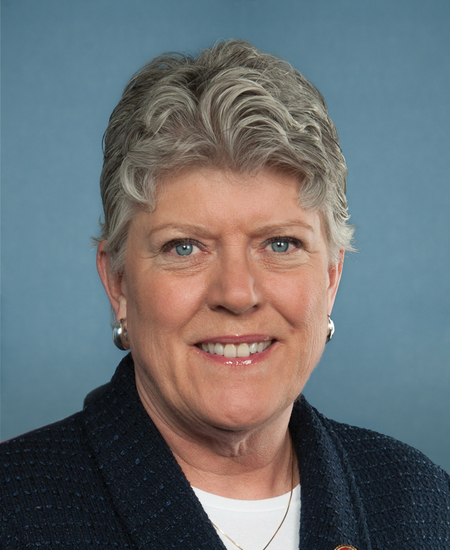
Rep. Julia Brownley
Sponsored bills
Justice for Incarcerated Moms Act This bill establishes new requirements related to grants, programs, and reports to improve the treatment and care of pregnant and postpartum women who are incarcerated. Specifically, the bill requires the following: states must restrict the use of restraints on pregnant women in prison in order to receive full funding under the Edward Byrne Memorial Justice Assistance Grant program; the Bureau of Prisons must establish programs to optimize maternal health outcomes for pregnant and postpartum women in federal prisons; the Bureau of Justice Assistance must award state grants for programs to support pregnant and postpartum women in state and local prisons and jails; and the Government Accountability Office must report on adverse maternal and infant health outcomes among incarcerated individuals and infants born to such individuals, with a particular focus on racial and ethnic disparities.
Maddy summaryThe FIGHT Act (HR 2742) amends the Animal Welfare Act to specifically target animal fighting events, such as cockfighting, by defining "rooster" as any male chicken over six months old and banning the live broadcasting (simulcasting) of such events. It prohibits using the postal service or interstate transport to move roosters for animal fighting purposes and adds civil enforcement tools allowing citizens to sue violators after a 60-day notice period. Fines up to $5,000 per violation may be imposed, and property used in animal fighting ventures can be seized. These changes strengthen enforcement against animal fighting by expanding legal remedies for the public and authorities.
Maddy summaryHRES 372 is a non-binding House resolution expressing support for designating May 2023 as "Mental Health Awareness Month." It does not create new laws or allocate funds but formally urges the nation to recognize mental health as a priority. The resolution supports reducing stigma around mental illness, expanding access to mental health services, and emphasizing that mental well-being is as important as physical health. It highlights the need for greater awareness and resources, particularly for youth, veterans, and communities of color facing mental health disparities, but does not mandate any specific policy changes.
Maddy summaryThe PAST Act of 2023 amends the Horse Protection Act to ban specific devices used to cause pain (soring) in horses at shows, particularly affecting Tennessee Walking Horses, Racking Horses, and Spotted Saddle Horses. It defines prohibited "action devices" (like boots or chains causing friction) and requires licensed, conflict-free inspectors at events to enforce rules. The bill increases penalties for violations to up to $5,000 fines or 3 years in jail, and mandates longer disqualifications for repeat offenses (180 days → 1 year → 3 years). Horse show organizers, exhibitors, and participants must comply with these new inspection and penalty requirements.
This resolution reaffirms the central role of local frontline health workforces in achieving global health objectives. The resolution also urges greater global attention and support for local frontline health workers.
Maddy summaryHRES 384 is a non-binding congressional resolution expressing support for designating May 2023 as Motorcycle Safety Awareness Month. It highlights that motorcycles are used by approximately 30 million Americans annually and emphasizes the importance of rider safety education, proper licensing, protective gear, and mutual awareness between motorcyclists and other road users. The resolution encourages all road users to share the road safely and recognizes motorcyclists' right to participate in transportation. It does not create new laws or regulations but aims to promote existing safety practices through public awareness. The resolution directly affects motorcyclists, drivers, and the broader public by encouraging safer road behavior during May 2023.
Maddy summaryHR 3276 establishes two pilot programs under the National School Lunch Act. First, it creates a $10 million, 3-year grant program to help schools serve 100% plant-based meals (no animal products) to students, prioritizing schools serving high proportions of low-income students and supporting culturally appropriate meal planning. Second, it creates a $2 million pilot to reimburse schools for costs of providing nondairy milk substitutes for students with dietary needs, targeting schools with high lactose intolerance rates. Both pilots require annual reporting on participation and outcomes, with the dairy substitute program ending after 3 years. The bill directly affects public school food authorities serving eligible students.
Veteran Entrepreneurs Act of 2023 This bill allows a business-related tax credit of 25% of up to $400,000 of the franchise fees paid or incurred by an eligible veteran for the purchase of a franchise. The bill reduces the amount of such credit if the veteran does not own 100% of the stock or capital or profits interest of the franchisee. An eligible veteran is a person who served in the active military, naval, or air service; was discharged or released under conditions other than dishonorable; and who pays or incurs a franchise fee in connection with a franchise agreement with a franchisor. The veteran may elect to transfer the credit to an eligible franchisor in exchange for a discount in the franchise fee commensurate with the value of the credit. The Small Business Administration and the Department of Veterans Affairs must provide information about the tax credit allowed by this bill to veterans service organizations and veteran advocacy groups.
Maddy summaryHR 3238, the Affordable Housing Credit Improvement Act of 2023, updates the Low-Income Housing Tax Credit (LIHTC) program to increase the availability of affordable housing across the United States. The bill makes several key changes including increasing state funding formulas, modifying tenant eligibility rules to better serve vulnerable populations (such as domestic violence victims and students), and expanding credit eligibility for projects in rural and Native American communities. Specific provisions raise the credit for properties serving extremely low-income households, clarify rules around tenant income increases, and require housing providers to protect victims of domestic violence. The bill also updates terminology from "low-income" to "affordable" throughout the tax code and enhances program transparency through data sharing requirements. These changes aim to make the LIHTC program more effective at creating and preserving affordable housing units for low-income households nationwide.