

Maddy summaryHR 4150 would create a four-year pilot program providing comprehensive dental care to veterans diagnosed with type 1 or type 2 diabetes or ischemic heart disease who are not currently eligible for VA dental services. The program would operate at VA medical centers, community clinics, and test mobile/home-based dental services in rural areas, while also implementing a student loan repayment program to recruit dental staff. It requires the VA to report on costs, health outcomes, and the effectiveness of different service models like tele-dentistry and dental therapists. This bill directly affects veterans with these specific chronic conditions by expanding access to preventative dental care, aiming to improve health outcomes and reduce long-term healthcare costs.
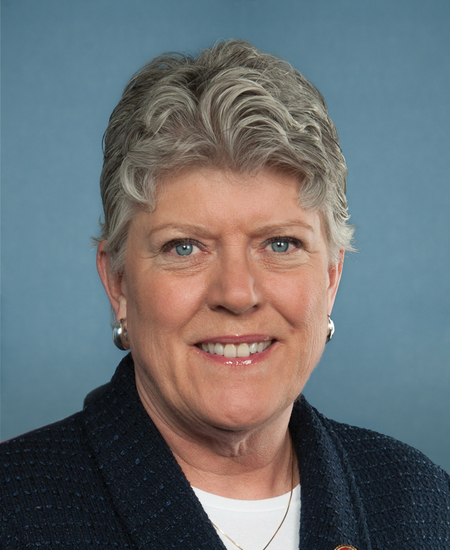
Rep. Julia Brownley
Sponsored bills
Maddy summaryHR 3853, the Roadless Area Conservation Act of 2023, requires the U.S. Forest Service to enforce existing protections against road construction, reconstruction, and logging in designated roadless areas within the National Forest System. It directly affects Forest Service management practices and ensures these areas - critical for clean water, wildlife habitat, recreation, and tribal cultural sites - remain undisturbed. The bill codifies the current Roadless Rule, which already prohibits such activities in inventoried roadless areas, without creating new restrictions on non-roadless lands or limiting permitted uses like hiking or hunting. This preserves existing protections for over 58 million acres of National Forest land without altering the Forest Service’s multiple-use management approach.
Maddy summaryHRES 566 is a non-binding resolution introduced by Representative Correa in 2023 that expresses the House of Representatives' support for recognizing and encouraging everyday acts of kindness as a means to strengthen community bonds and societal resilience. It does not create new laws or policies but symbolically affirms that kindness - defined as selfless actions without expectation of return - can improve social connections, health, and conflict resolution. The resolution serves as a statement of shared values rather than a concrete policy change.
This resolution expresses the sense of the House of Representatives that (1) lesbian, gay, bisexual, transgender, queer, intersex, and asexual (LGBTQIA+) rights are human rights and protected by the U.S. Constitution; (2) LGBTQIA+ Pride Month should be celebrated; and (3) all Americans should be treated equally regardless of sexual orientation, sex characteristics, or gender identity.
Maddy summaryHRES 561 is a non-binding House resolution opposing state laws that criminalize access to essential health care. It specifically condemns using criminal penalties against people for pregnancy outcomes (such as miscarriages), seeking abortion or contraception, or receiving gender-affirming care, and disapproves of punishing health care providers or supporters for facilitating such care. The resolution affirms that patients deserve access to reproductive and gender-affirming health services without fear of prosecution or discrimination. It emphasizes that criminalizing these health care decisions violates patient rights and ethical provider obligations, without creating new legal requirements.
Maddy summaryThis bill prohibits defendants in federal criminal cases from using a victim's LGBTQ+ identity (sexual orientation, gender identity, or expression) as a legal excuse for violence or to reduce sentences - a practice known as the "LGBTQ+ panic defense." It specifically bans arguments that a "nonviolent sexual advance or perception" of the victim's identity justified the crime, while allowing evidence of the defendant's past trauma under standard evidence rules. The law directly affects federal criminal trials where defendants attempt to justify violence against LGBTQ+ victims using prejudice-based excuses. It also requires the Attorney General to report annually on federal prosecutions involving bias-motivated crimes against LGBTQ+ individuals.
Maddy summaryHR 4422 (Global Respect Act) requires the President to publicly identify foreign officials responsible for violence, torture, or arbitrary detention against LGBTQI individuals and block their entry to the U.S., including revoking visas for them and their immediate families. It mandates annual reporting to Congress on the list of sanctioned individuals, the reasons for additions/removals, and efforts to coordinate with other countries on similar sanctions. The bill also updates U.S. human rights reporting requirements to explicitly include data on violence and discrimination against LGBTQI people worldwide. These measures aim to increase accountability for human rights violations against LGBTQI individuals without advocating for specific policy outcomes.
Fair and Equal Housing Act of 2023 This bill prohibits discrimination, in the context of various housing practices, against individuals based on their sexual orientation or gender identity.
Maddy summaryHR 4340, the Therapeutic Fraud Prevention Act of 2023, prohibits paid providers from offering conversion therapy - defined as any commercial service attempting to change a person's sexual orientation or gender identity - and bans advertising that claims such therapy is effective or harmless. It directly affects therapists, counselors, or organizations offering paid conversion therapy services, including those advertising such services. Key provisions make it unlawful to provide, advertise, or facilitate paid conversion therapy, with enforcement led by the Federal Trade Commission (FTC) under consumer protection laws and allowing states to pursue civil actions. The bill explicitly excludes supportive care for gender transition or identity exploration from its definition of prohibited therapy.
This resolution expresses support for (1) equal rights and protections for all people, regardless of actual or perceived sexual orientation, gender identity, or sex characteristics; and (2) the designation of LGBTQI+ Equality Day to commemorate Supreme Court decisions handed down on June 26 in 2003, 2013, and 2015. The resolution also acknowledges the need for further legislation to ensure that people in the United States are free from all forms of discrimination on the basis of actual or perceived sexual orientation, gender identity, or sex characteristics.