

Maddy summaryThis bill creates a $75 million federal grant program to boost domestic sales of U.S.-grown specialty crops like fruits, vegetables, and nuts. It provides funding to eligible organizations (such as agricultural trade groups, cooperatives, or nonprofits) that develop marketing strategies to expand U.S. consumer demand for these products, requiring recipients to contribute at least 25% of the grant amount from their own funds. Grants cannot support foreign products or large for-profit corporations (except cooperatives or specific associations), and recipients must submit detailed marketing plans with measurable goals. The program requires annual reviews and audits to ensure funds are used effectively for domestic market development.
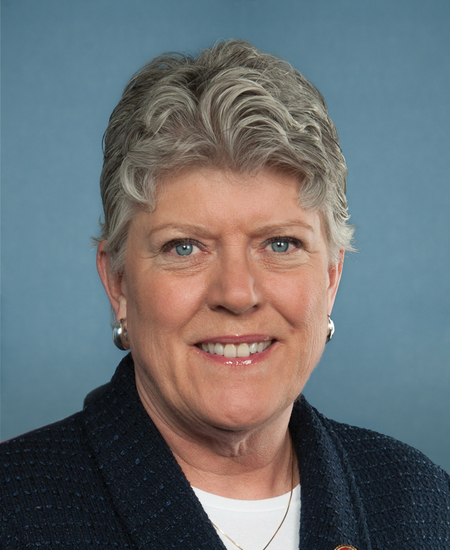
Rep. Julia Brownley
Sponsored bills
Maddy summaryThe Agricultural Worker Justice Act (HR 4978) improves working conditions for agricultural and meatpacking workers through several key provisions. It requires USDA to only purchase from entities paying prevailing wages (based on local rates and collective bargaining agreements), prohibits stock buybacks by USDA-funded companies, and creates a list of companies with labor violations that would be ineligible for USDA contracts. The bill establishes new safety standards for meatpacking plants including restrictions on line speeds (requiring safety inspections before increases), requirements for toilet facilities, and enhanced protections for workers reporting safety concerns. It also mandates a GAO report on racial disparities in meatpacking employment and authorizes $400 million for local food purchase programs. The bill directly affects meatpacking facilities, agricultural businesses receiving USDA funds, and the workers employed in these industries.
Maddy summaryThis bill amends the Higher Education Act to require all U.S. colleges and universities receiving federal financial aid to create detailed anti-harassment policies covering physical, online, and institution-sponsored settings. It mandates policies prohibiting harassment based on race, sex (including sexual orientation and gender identity), disability, religion, and other protected characteristics, including harassment via institutional email, computers, or electronic messaging. The bill also establishes a $50 million annual grant program to fund colleges developing prevention programs, victim support services, and training for students and staff on recognizing and addressing harassment. These policies and grants must comply with existing civil rights laws like Title IX but add specific requirements for reporting and prevention.
Maddy summaryThe Veterans Benefits Improvement Act of 2023 makes administrative changes to improve veterans' experience with disability benefit exams. It requires the VA to publish most disability forms online (with limited exceptions for forms not meeting clinical standards), mandates contractors to notify veterans' power-of-attorney representatives about exam scheduling, and creates outreach about contractor contact information. The bill also requires two reports: one on reimbursing veterans' travel for overseas exams, and another on supporting governmental veterans service officers. These changes directly affect veterans, VA contractors, and veterans service organizations.
Maddy summaryThe World LEAP Act creates a federal grant program to support world language and dual language education in K-12 schools, directly affecting local school districts and their students. It authorizes $15 million annually to fund competitive grants for school districts to establish or improve language programs, requiring grantees to reserve 20% of funds for teacher certification pathways and professional development, and 5% for program evaluation. The program prioritizes applications that partner with community heritage language schools, serve diverse students including English learners and heritage learners, and include sustainability plans beyond the grant period. Grantees must report annually on student enrollment, certified teacher numbers, and community support to measure program impact.
Maddy summaryHRES 698 designates the week of September 18-24, 2023, as "Rail Safety Week" in the United States. It expresses congressional support for efforts to reduce highway-rail grade crossing incidents, fatalities, and injuries - directly affecting drivers, pedestrians, and communities near railroad crossings. The resolution encourages public education on rail safety, references existing initiatives like Operation Lifesaver, and cites 2022 data showing 274 deaths at grade crossings. It has no binding effect but promotes awareness through symbolic recognition of ongoing safety campaigns. (HRES 698, introduced September 18, 2023)
Maddy summaryThe Better CARE for Animals Act of 2023 amends the Animal Welfare Act to strengthen enforcement of animal welfare standards. It gives the Attorney General authority to bring civil cases for violations, including seeking penalties up to $10,000 per day per violation and injunctions to remove or relocate animals. The bill also requires the Secretary of Agriculture and Attorney General to coordinate through a new Memorandum of Understanding, focusing on repeat violators. These changes directly affect dealers, exhibitors, and enforcement agencies by expanding civil enforcement tools and clarifying jurisdiction over rule violations.
Maddy summaryHR 5062 creates a new grant program under the Agricultural Marketing Act of 1946 to help specialty crop producers (like fruit, vegetable, and nut farmers) adopt automation and mechanization. The program awards grants to cover costs for specific equipment (such as drones, precision irrigation tools, and robotic harvesters) and required training to operate them. Recipients must provide at least 50% matching funds from non-federal sources. The grants aim to increase efficiency and reduce labor needs for targeted farm tasks, directly benefiting commercial specialty crop operations in the U.S.
Maddy summaryThis bill extends existing programs that provide payments to counties and states with federal land, primarily to support local schools and communities. It updates key deadlines, extending secure payments through 2026, special project authorities through 2029, and county fund expenditure authority through 2028. A new pilot program allows regional foresters to appoint resource advisory committee members directly, with this authority ending October 1, 2028. These changes directly affect rural counties and states managing federal lands, maintaining current funding mechanisms without altering eligibility or payment amounts.
Maddy summaryHR 4845, the Food Secure Strikers Act of 2023, amends the Food and Nutrition Act to remove a restriction that previously disqualified workers from the Supplemental Nutrition Assistance Program (SNAP) if they were on strike. The bill changes eligibility rules so that striking workers are no longer automatically ineligible for SNAP benefits solely because they are participating in a labor strike. This change directly affects workers involved in strikes who rely on SNAP for food assistance, ensuring they can access benefits during labor disputes. The key provision removes specific language from Section 6(d) of the Food and Nutrition Act that had barred strike participants from SNAP enrollment.