

Supporting Early-childhood Educators' Deductions Act of 2023 or the SEED Act of 2023 This bill expands the tax deduction for the expenses of elementary and secondary school teachers to include early childhood educators.
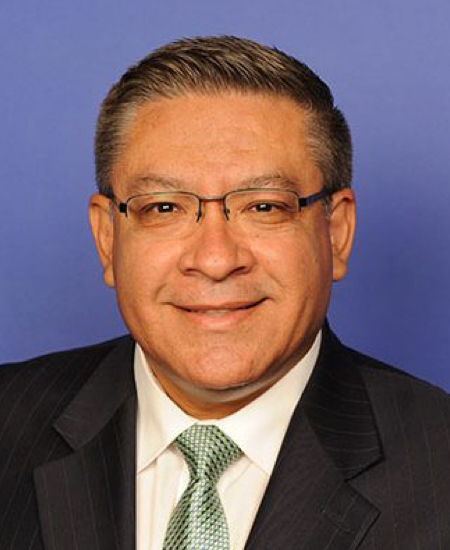
Rep. Salud O. Carbajal
Sponsored bills
Maddy summaryHR 5929, the Permanently Authorizing PILT Act, makes the Payment in Lieu of Taxes (PILT) program permanent by changing federal law to require annual payments to local governments for every fiscal year, rather than limiting it to fiscal year 2019. This program compensates counties and local areas with significant federal land (like national forests or parks) for lost tax revenue they cannot collect from federal property. The bill directly affects local governments in 39 states that receive PILT payments, ensuring consistent funding without annual legislative renewals. It does not alter payment amounts or eligibility but removes the need for repeated annual authorizations.
Maddy summaryThis bill, HR 5920 (Student Loan Marriage Penalty Elimination Act of 2023), changes how married couples can deduct student loan interest on their federal taxes. It amends the tax code to allow each spouse to claim a separate $2,500 deduction limit for student loan interest, instead of a single combined limit for the couple. This directly affects married couples filing jointly who pay student loan interest and qualify for the deduction. The change applies to tax years beginning after December 31, 2022, and ensures the deduction aligns with the tax treatment for individual filers.
Maddy summaryThe Protecting America from Seasonal and Pandemic Influenza Act of 2023 establishes national goals to improve influenza preparedness and response, including delivering first doses of influenza vaccine within 12 weeks of a pandemic strain's emergence and developing a universal vaccine within 10 years. The bill authorizes $335 million annually for pandemic influenza activities, strengthens vaccine supply chains through public-private partnerships, and requires the development of rapid at-home diagnostic tests to improve access. It specifically focuses on addressing vaccine hesitancy through community partnerships targeting vulnerable populations including racial and ethnic minorities, seniors, and people with chronic conditions. The legislation mandates annual reports on implementation progress and requires incorporating health equity into influenza planning and response efforts. This comprehensive approach aims to build a more resilient system for preventing and responding to both seasonal and pandemic influenza.
Maddy summaryHRES 754 is a symbolic House resolution recognizing the heritage, culture, and contributions of Latinas in the United States. It highlights Latinas' roles in business (owning over 2 million businesses), military service (45,710 active duty), arts (Oscar-winning artists like Rita Moreno), and public service, while noting persistent challenges like the 57-cent pay gap. The resolution does not create new laws or policies but formally honors these contributions and acknowledges the need for further progress toward equality. It was introduced by multiple representatives and referred to the Committee on Oversight and Accountability.
Maddy summaryThis resolution commemorates October 2023 as Filipino American History Month, honoring the contributions and cultural heritage of Filipino Americans to the United States. It directly recognizes the Filipino American community - now the third-largest Asian American and Pacific Islander group - with a population of approximately 4.5 million - and highlights their historical roles, including WWII service and community leadership. The resolution has no legal effect or funding provisions; it is purely ceremonial, urging the public to observe the month through educational programs and activities. It follows prior congressional recognitions of Filipino American History Month since 2009.
Maddy summaryThe NEWBORN Act creates a federal grant program to reduce infant mortality in the 50 U.S. counties with the highest rates, using $10 million annually from 2023-2027. It funds local health departments (including tribal, county, or state agencies) to design pilot programs addressing causes like preterm birth, maternal complications, and infant injuries through community assessments, outreach to at-risk mothers, and coordinated services such as postpartum care and smoking cessation. Grantees must report annually on program outcomes and methods, with no more than 10% of funds used for evaluation. The bill directly affects communities in high-mortality areas by supporting targeted, evidence-based interventions.
Maddy summaryThis bill replaces "Columbus Day" with "Indigenous Peoples’ Day" as the official federal holiday observed on the second Monday in October. It directly affects federal government operations and all federal documents, rules, or laws that previously referenced "Columbus Day" by automatically updating those references to "Indigenous Peoples’ Day" upon enactment. The key mechanism is a simple amendment to federal law (5 U.S.C. § 6103(a)) to change the holiday name and a provision ensuring all existing federal references to Columbus Day are legally treated as referring to Indigenous Peoples’ Day instead. This is a procedural change to federal holidays and references, not a new policy or program.
Maddy summaryHR 5786 establishes a Cybersecurity Risk Inventory, Assessment, and Mitigation Working Group within the National Nuclear Security Administration (NNSA). The group must create a strategy to inventory, assess, and reduce cybersecurity risks in NNSA's operational technology and nuclear weapons information technology systems, including specific goals, roles, resources, and timelines. The working group must brief Congress within 120 days of enactment and submit the full strategy to congressional defense committees by April 1, 2025. The group will terminate five years after the bill's enactment. This bill directly affects NNSA's cybersecurity operations for national security systems.
Maddy summaryThis bill requires federal agencies to adjust contract prices to reimburse contractors for paying employees during government funding lapses (e.g., shutdowns). It covers costs for furloughed, laid-off, or reduced-hour workers, or for restoring paid leave used during the lapse, with a weekly cap of $1,442 per employee. Directly affecting federal contractors and their employees who experienced work disruptions due to funding gaps, it mandates agencies to make these adjustments promptly after enactment. Contractors must provide proof of costs, and the Office of Federal Procurement Policy must report on implementation to Congress within a year.