

Maddy summaryHR 5401, the 9/11 Memorial and Museum Act, provides a one-time federal grant of $5 million to $10 million to the National September 11 Memorial & Museum (operated by the World Trade Center Foundation). The grant funds the museum's operations, security, and maintenance, with specific requirements including free admission for veterans, first responders, and victims' families, dedicated weekly free public hours, and annual financial audits. The museum must also report annually to Congress on how the funds were used. This bill directly affects the museum's financial operations and access policies, not broader legislative changes.
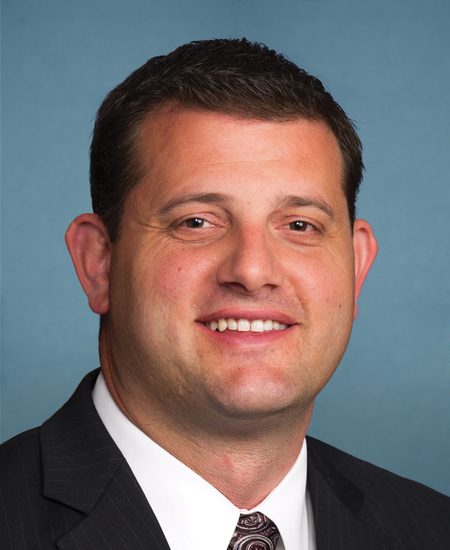
Rep. David G. Valadao
Sponsored bills
Maddy summaryHR 4235 creates a 4-year federal pilot program to test new wildfire prevention and response technologies. It requires federal agencies managing public lands (like the Forest Service and FEMA) to partner with private companies, nonprofits, or universities to test innovations in areas like early detection systems, communication tools, and safety equipment during real wildfire activities. The program prioritizes emerging technologies such as AI, 5G networks, and remote sensing, with agencies reporting annually on tested technologies, costs, and recommendations for wider adoption. The pilot aims to evaluate how these technologies can improve wildfire mitigation efforts across federal land management. The program expires four years after its establishment.
Maddy summaryThe Save Our Sequoias Act establishes a coordinated approach to protect giant sequoia groves in California from wildfires, insects, and drought. It creates a Giant Sequoia Lands Coalition including federal agencies, state governments, and the Tule River Indian Tribe to assess grove health, develop protection projects, and recommend forest management activities. The bill streamlines implementation of certain projects through categorical exclusion from environmental reviews, authorizes $10-40 million annually for conservation efforts, and establishes a fund for philanthropic support of sequoia protection.
Maddy summaryThis bill establishes specific water allocation requirements for Central Valley Project (CVP) agricultural contractors based on water year types, guaranteeing at least 100% of contract water in Wet and Above Normal years, 50% in Dry years, and other specified percentages in other conditions. It requires CVP and SWP operations to follow the Preferred Alternative and Biological Opinions, with strict conditions for reconsultation during severe drought periods (requiring 4 consecutive years of D3/D4 drought). The bill also includes infrastructure provisions for the Shasta Dam enlargement project and includes a 7-year sunset provision for its main operational requirements. These provisions directly affect CVP contractors, SWP contractors, and water management agencies in California.
Maddy summaryThe Proven Forest Management Act of 2022 streamlines forest management activities on National Forest System land, primarily focusing on reducing wildfire risk through fuel reduction projects. It requires the Secretary of Agriculture (managing National Forests) to coordinate with local governments and communities when planning projects, while mandating multiple ecosystem benefits like reducing forest fuels, improving water quality, and maintaining biodiversity - unless costs are deemed excessive. A key provision allows projects under 10,000 acres (with up to 3,000 acres of mechanical thinning) to bypass certain environmental reviews under the National Environmental Policy Act (NEPA), provided they align with local input and forest plans. This directly affects federal land managers and communities near National Forests by accelerating wildfire risk mitigation while maintaining ecological standards.
Maddy summaryThis bill extends Medicare payment adjustments for physicians and other practitioners through 2025 instead of ending in 2024. It specifically adds a 4.73% payment increase for services provided between January 1, 2025, and January 1, 2026. The legislation modifies existing Medicare payment rules to stabilize practice revenues during transition periods. It directly affects doctors and healthcare providers who bill Medicare for patient services. The key change is the extended timeframe and the defined 4.73% rate for the 2025-2026 period.
Maddy summaryThis bill creates an exemption from certain physician self-referral rules for specific rural hospitals. It defines a "covered rural hospital" as one located more than 35 miles (or 15 miles in mountainous terrain) from another hospital or critical access hospital, primarily affecting rural facilities in remote areas. The bill also removes restrictions preventing physician-owned hospitals from expanding their services. These changes directly impact rural hospitals meeting the new distance criteria and physicians owning hospitals in those areas, while leaving most existing Medicare self-referral rules unchanged.
Maddy summaryThis bill adds specific Medicare coverage for treatments targeting dialysis-related amyloidosis (DRA), a condition affecting some long-term dialysis patients. It directly affects Medicare beneficiaries diagnosed with DRA and dialysis facilities providing these treatments. The bill defines DRA treatments as FDA-approved items/services in dialysis settings and mandates separate 100% payment for them - outside standard dialysis fees - ensuring coverage without being bundled into existing payment systems. This change takes effect upon the bill's enactment.
Maddy summaryThe PROVE IT Act of 2024 directs the U.S. Energy Secretary to study and publicly report on the greenhouse gas emissions intensity of key U.S. manufactured products (like steel, aluminum, lithium batteries, and critical minerals) compared to those produced in "covered countries" (including the EU, China, and major trading partners). It requires a transparent methodology for calculating emissions data, identifies gaps in existing data, and establishes a public online database showing U.S. emissions advantages for these products. The bill also mandates an annual report on foreign countries using forced labor or human rights abuses in the production of critical minerals or rare earths. Importantly, it clarifies the study does not create new taxes, fees, or mandatory reporting requirements.
Maddy summaryThe Blind Americans Return to Work Act of 2024 creates a 20-year demonstration project to help blind individuals receiving Social Security disability benefits return to work. It modifies how benefits are calculated for eligible participants - those with blindness-related disability benefits who earned income during the first 10 years of the program - by removing standard work-income limits. Specifically, benefits are reduced by $1 for every $2 earned above a threshold (including a set exempt amount and work-related expenses), but never below $0, and benefits won’t terminate due to earnings. Participants may also opt out after 10 years, and the program excludes standard trial work and termination rules.