

Maddy summaryHR 4422 (Global Respect Act) requires the President to publicly identify foreign officials responsible for violence, torture, or arbitrary detention against LGBTQI individuals and block their entry to the U.S., including revoking visas for them and their immediate families. It mandates annual reporting to Congress on the list of sanctioned individuals, the reasons for additions/removals, and efforts to coordinate with other countries on similar sanctions. The bill also updates U.S. human rights reporting requirements to explicitly include data on violence and discrimination against LGBTQI people worldwide. These measures aim to increase accountability for human rights violations against LGBTQI individuals without advocating for specific policy outcomes.
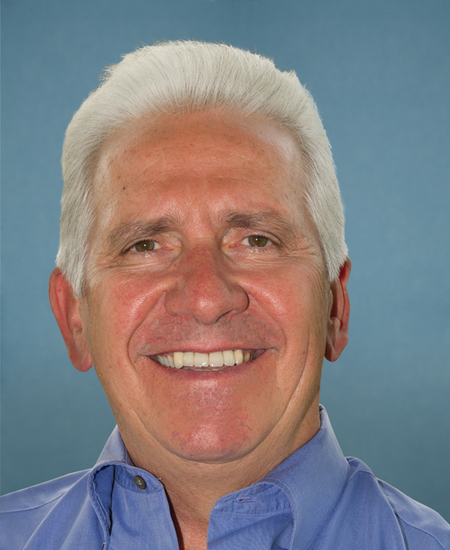
Rep. Jim Costa
Sponsored bills
Maddy summaryHR 4343, the Organ Donation Clarification Act of 2023, amends the National Organ Transplant Act to permit limited noncash reimbursements for organ donors, such as medical costs, lost wages, travel expenses, and dependent care. It allows federal or state pilot programs to test these reimbursements under strict ethical oversight, aiming to increase donation rates without enabling financial incentives. The bill directly affects potential organ donors and transplant recipients by addressing financial barriers to donation, such as costs of medical care and lost income, while prohibiting cash payments or tradable benefits. These pilots must measure impacts on donation rates, donor demographics, and fairness in organ distribution, with reports to Congress after three years.
Maddy summaryHR 4340, the Therapeutic Fraud Prevention Act of 2023, prohibits paid providers from offering conversion therapy - defined as any commercial service attempting to change a person's sexual orientation or gender identity - and bans advertising that claims such therapy is effective or harmless. It directly affects therapists, counselors, or organizations offering paid conversion therapy services, including those advertising such services. Key provisions make it unlawful to provide, advertise, or facilitate paid conversion therapy, with enforcement led by the Federal Trade Commission (FTC) under consumer protection laws and allowing states to pursue civil actions. The bill explicitly excludes supportive care for gender transition or identity exploration from its definition of prohibited therapy.
National Nursing Shortage Task Force Act of 2023 This bill establishes a National Nursing Shortage Task Force to recommend policies for addressing the nursing shortage in the United States, particularly in designated health professional shortage areas. The task force terminates 90 days after it submits its recommendations.
Maddy summaryHRES 553 is a symbolic resolution honoring Gloria Molina, the first Latina elected to the California State Legislature, Los Angeles City Council, and Los Angeles County Board of Supervisors. It recognizes her 32-year political career and historic firsts, celebrating her legacy as a pioneer for Latinas in public office. The resolution does not create new policy or affect any specific group, as it is purely commemorative. It follows existing honors like the Gloria Molina East Los Angeles Civic Center station and the Gloria Molina Grand Park.
Maddy summaryHR 4355, the Rural Veterinary Workforce Act, modifies the Internal Revenue Code to exclude certain loan repayment or forgiveness assistance from taxable income. It specifically adds programs under the National Agricultural Research, Extension, and Teaching Policy Act of 1977 and similar state initiatives - designed to boost veterinary services in rural areas - to the list of tax-exempt benefits. This directly affects veterinary students participating in these state or federal programs who work in underserved rural communities. The change takes effect for assistance received in taxable years beginning after December 31, 2023.
Maddy summaryThis bill amends federal water infrastructure funding rules to better support Indian tribes. It allows the Secretary to reduce or waive a tribe's required financial contribution (non-Federal share) for water projects if that contribution would cause financial hardship. Tribes receiving federal grants for water infrastructure improvements directly benefit from this change. The provision specifically adds a waiver mechanism to existing law, shifting more cost responsibility to the federal government when tribes face budget constraints. This creates a more flexible funding approach for tribal water management projects.
Maddy summaryHR 4335, the VA Loan Informed Disclosure Act of 2023, requires mortgage lenders to include specific information about VA home loan programs in standard mortgage disclosures. The bill amends the National Housing Act to mandate that lenders provide details on VA loans (guaranteed under Title 38) alongside other loan options, including assumptions about prevailing interest rates. This change directly affects lenders processing VA-guaranteed mortgages, ensuring borrowers receive clearer comparisons between VA loans and other financing. The law does not require lenders to verify borrower eligibility for VA loans, only to include the specified disclosure language.
Maddy summaryHR 3698, the Feed Hungry Veterans Act of 2023, amends the Food and Nutrition Act of 2008 to expand eligibility for SNAP (Supplemental Nutrition Assistance Program) benefits to more veterans. It adds four new categories of veterans who can qualify: those with a "catastrophically disabled" status under military disability law, veterans under 65 receiving a pension under specific veteran benefits law, and those meeting existing high-disability rating thresholds. This change directly affects veterans who previously did not meet the program’s eligibility criteria but now qualify under these expanded definitions. The bill takes effect on October 1, 2023, making these eligibility changes operational for SNAP enrollment.
Maddy summaryHR 3519, the Hot Foods Act of 2023, amends the Food and Nutrition Act of 2008 to allow Supplemental Nutrition Assistance Program (SNAP) benefits to be used for hot foods or hot food products ready for immediate consumption at participating retailers. This change directly affects SNAP recipients who purchase such hot foods and retailers that sell them. The key provision removes the previous exclusion of hot foods from SNAP eligibility, while adding a limit that no more than 50% of a retailer's total gross sales from SNAP can come from hot foods. The bill clarifies that hot foods can be purchased for home or immediate consumption, aligning SNAP rules with current retail practices for prepared foods.