

This resolution expresses the sense of the House of Representatives that research and promotion boards support efforts to develop new markets and strengthen existing markets via research, education, and promotion.
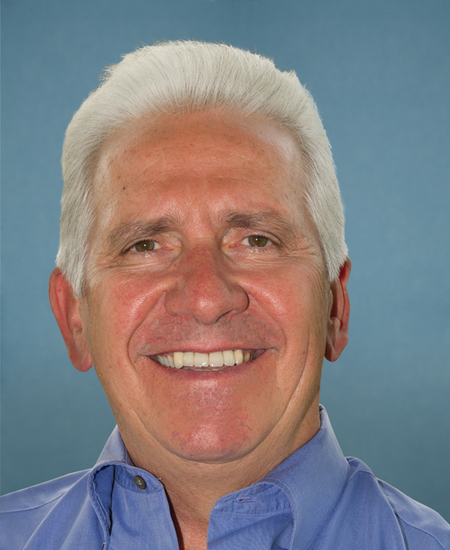
Rep. Jim Costa
Sponsored bills
Maddy summaryThe FRIDGE Act of 2023 authorizes $1 million annually (2024-2028) to provide technical assistance for improving cold chain infrastructure in developing countries. It directly affects U.S. agricultural exporters by addressing infrastructure gaps that cause food loss and export damage, and it targets developing nations needing upgrades to cold storage, transport, and port systems. The bill requires the Secretary of Agriculture to fund needs assessments, training, and infrastructure support through agreements with eligible trade organizations. This concrete funding mechanism aims to reduce food waste and expand U.S. agricultural exports by strengthening supply chains in key markets.
Maddy summaryThe American Food for American Schools Act of 2023 requires school meal programs (including lunch, breakfast, summer food, and child care programs) to prioritize purchasing domestic food products, defined as those produced, processed, or harvested in the United States. Schools may request waivers to buy foreign products for up to 5% of annual food costs per category if domestic options are unavailable in sufficient quantity or quality, and must notify parents annually about such purchases. The bill also mandates that suppliers of school food contracts comply with domestic purchasing rules, with penalties for noncompliance requiring reimbursement of federal funds used for foreign products. It increases funding for "Buy American" training programs and adds transparency requirements, including public reporting of waivers and noncompliance instances.
Child Care Investment Act of 2023 This bill increases the employer-provided child care tax credit, the amount excludable from gross income for dependent care flexible spending accounts, and makes the household and dependent care tax credit refundable. Among other provisions, the bill increases the rate of the employer-provided child care tax credit from 25% to 50% and increases the maximum credit amount from $150,000 to $500,000. It also increases (1) the pre-tax deduction for dependent care flexible spending accounts from $5,000 to $10,000, plus an additional $2,000 for each eligible dependent; and (2) the rate of the household and dependent care tax credit and makes such credit refundable.
Maddy summaryThe DISCLOSE Act of 2023 would increase transparency in political spending by requiring organizations making campaign-related disbursements over $10,000 to disclose the names and addresses of their major donors, including the top five funders for political communications. It would close loopholes allowing foreign nationals to secretly fund election activities through corporations or other entities by expanding the definition of prohibited foreign contributions. The bill would mandate "stand by every ad" disclosure requirements for political communications across all media, including audio, video, and internet ads, requiring clear identification of funders. It would also require reporting of disbursements related to Federal judicial nominations, which currently aren't subject to disclosure requirements. These provisions would apply to corporations, labor organizations, and certain nonprofits that engage in political activity.
Maddy summaryThe IDEA Full Funding Act (HR 4519) mandates specific annual increases in federal funding for special education programs under the Individuals with Disabilities Education Act (IDEA). It requires Congress to appropriate increasing amounts each fiscal year - from $5.87 billion for 2024 up to $55.53 billion for 2033 - to reach 40% of the national average per-pupil expenditure for public schools by 2033. This directly affects all public school districts serving students with disabilities, as federal IDEA funding supports their special education services. The bill sets fixed dollar amounts or percentage targets (whichever is greater) for each fiscal year, aiming to gradually close the long-standing gap between promised and actual federal funding. It does not alter eligibility for services but mandates higher, phased funding levels to meet the 40% target.
Cybersecurity for Rural Water Systems Act of 2023 This bill amends the Department of Agriculture (USDA) Circuit Rider Program to include cybersecurity technical assistance for rural water systems serving fewer than 10,000 people. Under the program, USDA provides technical assistance to rural water systems that are experiencing day-to-day operational, financial, or managerial issues. Specifically, the program's cybersecurity technical assistance must (1) assess system efficacy in protecting against cyber threats; and (2) implement cybersecurity plans, procedures, and technologies to protect against cyber threats. The bill also reauthorizes the Circuit Rider Program through FY2028.
Maddy summaryHRES 566 is a non-binding resolution introduced by Representative Correa in 2023 that expresses the House of Representatives' support for recognizing and encouraging everyday acts of kindness as a means to strengthen community bonds and societal resilience. It does not create new laws or policies but symbolically affirms that kindness - defined as selfless actions without expectation of return - can improve social connections, health, and conflict resolution. The resolution serves as a statement of shared values rather than a concrete policy change.
This resolution expresses the sense of the House of Representatives that (1) lesbian, gay, bisexual, transgender, queer, intersex, and asexual (LGBTQIA+) rights are human rights and protected by the U.S. Constitution; (2) LGBTQIA+ Pride Month should be celebrated; and (3) all Americans should be treated equally regardless of sexual orientation, sex characteristics, or gender identity.
Maddy summaryThis bill prohibits defendants in federal criminal cases from using a victim's LGBTQ+ identity (sexual orientation, gender identity, or expression) as a legal excuse for violence or to reduce sentences - a practice known as the "LGBTQ+ panic defense." It specifically bans arguments that a "nonviolent sexual advance or perception" of the victim's identity justified the crime, while allowing evidence of the defendant's past trauma under standard evidence rules. The law directly affects federal criminal trials where defendants attempt to justify violence against LGBTQ+ victims using prejudice-based excuses. It also requires the Attorney General to report annually on federal prosecutions involving bias-motivated crimes against LGBTQ+ individuals.