

Maddy summaryHRES 645 is a non-binding House resolution recognizing August as "Chicano Heritage Month" to celebrate the contributions of Mexican Americans to U.S. history. It highlights historical figures like labor leaders Cesar Chavez and Dolores Huerta, landmark court cases (e.g., *Mendez v. Westminster* ending school segregation), and cultural impacts such as Selena's influence on music. The resolution does not create new laws or policies but serves as a symbolic acknowledgment by the House to honor this heritage. It encourages the public and institutions to observe the month with events celebrating Mexican American contributions.
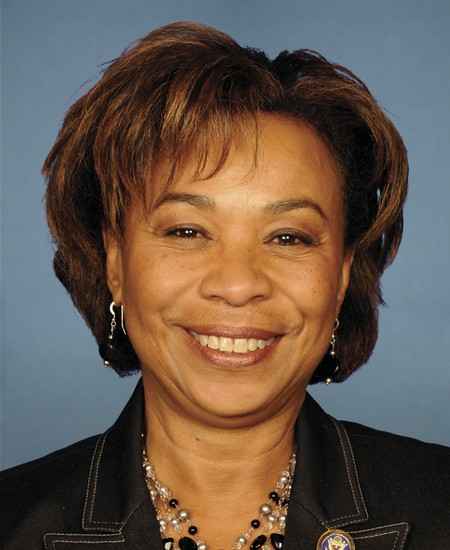
Rep. Barbara Lee
Sponsored bills
Maddy summaryHR 5220, the Bayard Rustin Stamp Act, requires the U.S. Postal Service to issue a "forever stamp" featuring civil rights leader Bayard Rustin. The stamp, designed for first-class mail up to one ounce, will honor Rustin's legacy as a key organizer of the 1963 March on Washington and his advocacy for civil rights, labor rights, and LGBTQ+ equality. The bill directs the Postmaster General to produce this commemorative stamp as soon as practicable after enactment. It does not create new policy or affect any government programs beyond the postal service's stamp issuance.
Maddy summaryHR 4249, the VET PFAS Act, provides healthcare benefits to veterans and their families exposed to PFAS chemicals at military bases. Veterans who served at contaminated bases (including through water sources) and developed specific conditions like testicular cancer, ulcerative colitis, or pregnancy-induced hypertension become eligible for VA healthcare without needing medical proof of cause. Family members who lived at these bases or were in utero during such residence also qualify for covered conditions. The bill creates a "presumption of service connection" for these illnesses, meaning the VA assumes PFAS exposure caused the condition. It requires annual VA reports tracking beneficiaries, denials, and conditions treated.
Maddy summaryHRES 644 is a House resolution calling on the Judicial Conference of the United States to authorize public broadcasting of Donald Trump's upcoming trial. The trial relates to alleged crimes connected to efforts to overturn the 2020 election results and his role in the January 6, 2021, Capitol insurrection. This resolution requests but does not require the Judicial Conference to make the trial proceedings publicly accessible. It is a procedural measure, not a law altering any legal process.
Assault Weapons Excise Act This bill imposes an additional 1000% excise tax on large capacity ammunition feeding devices and semiautomatic assault weapons. It exempts from such additional tax devices and weapons acquired by the United States or by a state or local government.
Maddy summaryHR 5155 creates a new temporary visitor visa category specifically for family visits to the U.S. It directly affects U.S. citizens and lawful permanent residents wanting to host relatives for short stays, and their eligible relatives (including parents, children, siblings, and extended family). The bill requires visitors to have a financial sponsor, short-term medical insurance covering U.S. expenses, and proof of intent to leave within 90 days per year - reducing the previous 180-day limit. It explicitly states this visa does not count as immigrant status, and applicants who previously overstayed a similar visa face additional restrictions unless extraordinary circumstances apply.
Maddy summaryThe Ethics in Energy Act of 2023 prohibits large energy companies (including major electric utilities and natural gas providers) from charging customers for political influence spending. It requires these "covered utilities" to stop recovering expenses like lobbying, campaign contributions, or PR campaigns aimed at shaping regulations or elections from customer rates. Utilities must submit detailed annual reports on such spending to the Federal Energy Regulatory Commission (FERC), and FERC can impose penalties (up to triple the amount recovered) that must be refunded to customers. Penalties are split: half goes to ratepayers as rebates, half funds FERC’s enforcement.
Maddy summaryHJRES 84 designates August 20 as "Slavery Remembrance Day" to commemorate the arrival of the first enslaved Africans in what is now Virginia on August 20, 1619. The resolution urges the President to issue an annual proclamation encouraging Americans to observe the day with ceremonies and activities reflecting on slavery's history. It specifically honors 21 Black Congress members from the Reconstruction Era as honorary cosponsors and calls for acknowledging the enduring impacts of slavery. As a symbolic resolution, it does not create new laws or directly affect any group beyond establishing an annual observance.
Maddy summaryHR 5112, the Civilian Harm Review and Reassessment Act, requires the Secretary of Defense to review and reinvestigate civilian harm allegations from U.S. military operations between 2011 and 2023 that were likely dismissed due to investigation errors or incomplete information. The bill mandates the Department of Defense to establish review procedures within 180 days of enactment, consult with civilian harm-focused NGOs, and submit a detailed report to Congress within one year. This report must detail errors found, revised credibility assessments, any financial compensation offered, and steps to prevent future errors. The law directly affects military operations conducted during this period and aims to address past dismissals of civilian harm claims through systematic review.
Maddy summaryHRES 636 is a non-binding House resolution condemning China's implementation of the Hong Kong national security law and related actions undermining Hong Kong's autonomy. It specifically criticizes the law's use to arrest over 200 people - including activists like the "Hong Kong 47" and media figure Jimmy Lai - and alleges it has eroded Hong Kong's independent judiciary, freedoms of speech and assembly, and its status as a separate financial hub. The resolution urges governments to hold China accountable, calls for dropping all national security law charges against detained activists, and questions Hong Kong's continued separate voting rights at international organizations. As a symbolic statement, it does not create new legal requirements but aligns with the existing Hong Kong Human Rights and Democracy Act by advocating for accountability measures.