

Maddy summaryThis bill updates federal research funding by directing the National Science Foundation (NSF) to prioritize two new areas of study: the impact of harmful childhood experiences (like abuse or neglect) and how toxic stress affects youth mental health. It amends existing law to require NSF-funded suicide prevention research to include these specific topics. The bill directly affects NSF research programs and grants focused on youth mental health, ensuring future studies systematically examine these factors. The change is limited to research priorities - no new funding or direct services are created.
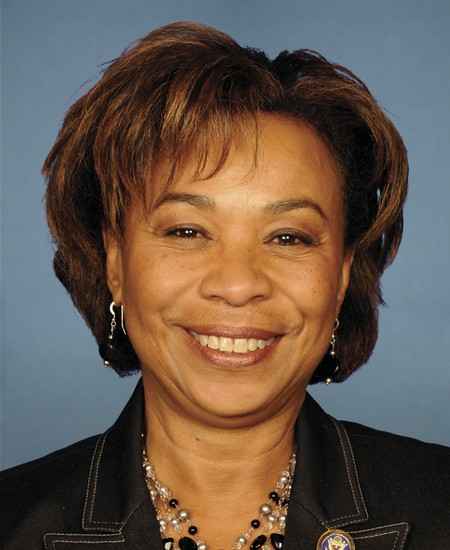
Rep. Barbara Lee
Sponsored bills
Maddy summaryHRES 1217 is a symbolic House resolution supporting the designation of May 10, 2024, as "National Asian American, Native Hawaiian, and Pacific Islander Mental Health Day." It directly affects the AANHPI community, which faces significant mental health disparities (including 63.7% of those needing care not receiving it and higher youth suicide rates). The resolution does not create new policies or funding but encourages federal, state, and local agencies to improve mental health awareness and culturally appropriate services for this community. It emphasizes recognizing cultural heritage as beneficial to mental health and aligns with existing May observances for AANHPI Heritage and Mental Health Awareness.
Maddy summaryHRES 1206 is a symbolic House resolution supporting the designation of May 2024 as "Mental Health Awareness Month." It does not create new laws or funding but aims to raise public awareness about mental health challenges, emphasizing the need to reduce stigma and treat mental well-being as equally important as physical health. The resolution cites statistics on rising mental health crises - including increased anxiety, depression, and suicide rates among youth, LGBTQ+ individuals, veterans, and communities of color - to underscore the urgency of the issue. It encourages nationwide efforts to promote mental health awareness and access to care during this designated month.
Maddy summaryThis bill directs the Health and Human Services Secretary to fund research on early detection and treatment of uterine fibroids, with a focus on reducing health disparities. It authorizes grants to states for screening programs (including advanced imaging), patient navigation services, and public education campaigns - prioritizing areas with socially vulnerable populations at higher risk. States receiving funds must implement evidence-based strategies to improve access to early intervention. The bill also requires regular reports to Congress on grant outcomes and research findings related to fibroid treatment disparities and related conditions like Asherman’s Syndrome.
Maddy summaryThis bill establishes the Project Turnkey Program, allocating $1 billion annually to fund affordable housing and homelessness services. It directly helps vulnerable populations including homeless individuals, those at risk of homelessness, and victims fleeing domestic violence or trafficking. Key provisions allow funds for rental assistance, rehabilitating vacant properties (like hotels and motels), supportive services, and shelter operations, while requiring states to use funds to supplement - not replace - existing local housing investments. The program runs through 2034 with specific rules to streamline housing development and expand capacity for community organizations.
Maddy summaryThis bill provides $280 million in funding for the Department of Education's Office for Civil Rights (OCR) for fiscal year 2024, with funds available through September 2025. The OCR investigates school discrimination complaints related to race, sex, disability, and other protected characteristics. This funding directly supports the OCR's ability to handle civil rights cases involving students and schools nationwide, without creating new student requirements or altering existing laws.
Maddy summaryThis bill names a specific United States Postal Service facility at 24355 Creekside Road in Santa Clarita, California, as the "William L. Reynolds Post Office Building." It directly affects the physical location of this post office by changing its official designation. The key provision is a simple name change, with all existing references to the building in federal documents automatically updated to reflect the new name. This is a ceremonial designation with no policy or funding changes.
Maddy summaryHRES 1202 is a symbolic resolution expressing the U.S. House of Representatives' support for designating May 5-11, 2024, as Wildfire Preparedness Week. It encourages public education on fire safety, evacuation planning, and preventive measures like vegetation management and reducing human-caused ignitions (e.g., fireworks). The resolution does not create new laws or allocate funding but aims to raise awareness about wildfire risks, citing statistics on recent fires and health impacts from smoke exposure. It directly supports communities in wildfire-prone areas by promoting existing preparedness resources and educational initiatives. The resolution was introduced by Representatives Torres, Huffman, and Jacobs and referred to the Committee on Natural Resources.
Maddy summaryThis resolution (HRES 1199) commemorates the 50th anniversary of Turkey's 1974 military invasion and ongoing occupation of northern Cyprus. It formally condemns Turkey's continued occupation, calls for the immediate withdrawal of its 35,000 troops, and demands the removal of over 200,000 Turkish settlers from the occupied territory. The resolution also urges Turkey to assist in repatriating displaced Cypriot refugees and to cooperate on resolving the fate of missing persons, including U.S. citizens. As a symbolic congressional statement, it does not create binding law but expresses the House's position on the Cyprus issue.
Maddy summaryThis bill creates grants to support mental and behavioral health graduate programs at minority-serving institutions like historically Black colleges, tribal colleges, and other institutions serving communities of color. It requires at least 5% of grant funds to provide scholarships for students from health professional shortage areas. The grants can help institutions establish or improve programs that train professionals to provide culturally responsive and trauma-informed care. The goal is to increase the number of mental health professionals serving in underserved communities and diversify the mental health workforce.