

Maddy summaryHR 10124 establishes a 5-year pilot program (2025-2029) authorizing $20 million to fund community-based "Food is Medicine" programs through competitive grants. These programs directly support individuals with diet-related diseases like diabetes, obesity, or heart conditions by providing medically tailored meals, grocery delivery, nutrition education, and transportation. The grants prioritize projects using local foods, involving dietitians, and serving urban, rural, tribal, and territorial communities equitably. The program requires annual reports to Congress analyzing participant outcomes, program efficiency, and impacts on health costs and patient health.
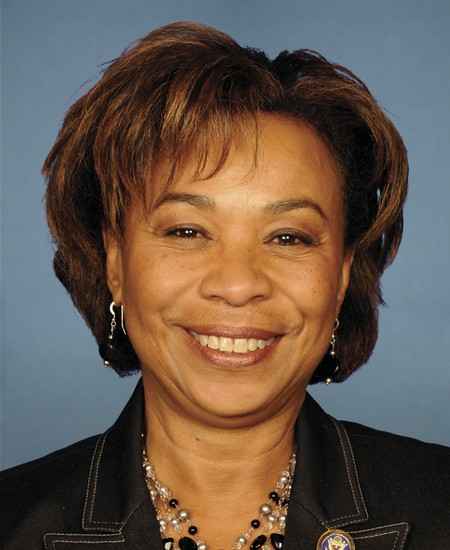
Rep. Barbara Lee
Sponsored bills
Maddy summaryThis bill establishes a Truth and Healing Commission to investigate the history and impacts of U.S. Indian Boarding School policies on Native American communities, including cultural, emotional, and physical effects on survivors, descendants, and tribal communities. The Commission will document these impacts through research, public meetings, and testimony, working with two advisory committees focused on Native American perspectives and Federal agency coordination. The Commission will operate for six years, with annual reports to Congress and a final report containing recommendations for Federal action. The bill also includes provisions for managing burial sites related to boarding schools and ensures the Native American Graves Protection and Repatriation Act applies to remains found on Federal lands related to these schools.
Maddy summaryThis bill requires the Secretary of Energy to determine if proposed natural gas exports to foreign countries are "consistent with the public interest" before approving them. To make this determination, the Secretary must evaluate three specific assessments: (1) climate impacts using full lifecycle emissions data and methane's 20-year warming potential, (2) economic effects on specific consumer groups like low-income households and manufacturers, and (3) environmental justice concerns affecting vulnerable communities. The Secretary must complete this review within one year of receiving the Federal Energy Regulatory Commission's environmental impact statement. The law also mandates public participation opportunities and treats export approvals as "major Federal actions" under environmental law.
Maddy summaryThe Our Homes, Our Votes Act requires landlords and public housing agencies managing federally assisted housing (including public housing, Section 8, and supportive housing programs) to include voter registration forms in lease agreements. When tenants sign their lease, it automatically serves as a voter registration application for federal elections, unless they opt out. Landlords must ensure forms include basic eligibility information, provide language access for limited-English speakers, and submit completed forms to election officials within 10 days. This applies to all tenants in covered housing units, streamlining registration without requiring separate action.
Maddy summaryThe Minority Diabetes Initiative Act (HR 10193) creates a federal grant program to improve diabetes care in minority communities. It authorizes the Secretary of Health and Human Services to fund public and nonprofit health providers - including community health centers, tribal health departments, and community organizations - to deliver specific diabetes services. These grants must cover routine care, prevention education, eye/foot care, and treatment for complications like kidney disease, while requiring services to be culturally appropriate and offered in accessible languages. The program is funded through annual appropriations for fiscal years 2025-2030. This bill directly affects minority communities with high diabetes rates by expanding access to comprehensive, culturally responsive care through eligible health providers.
Maddy summaryHRES 1588 is a House resolution supporting Transgender Day of Remembrance (TDoR) by recognizing the epidemic of violence against transgender people and memorializing those killed between October 1, 2023, and September 30, 2024. It specifically honors 38 transgender or gender-nonconforming individuals whose lives were lost to violence during that period, highlighting that transgender women of color face disproportionate risks. The resolution acknowledges systemic issues like underreporting, barriers to healthcare, and higher rates of homelessness and suicide within the community. It calls for the U.S. government to prioritize solutions to this violence while affirming transgender people's right to dignity and safety. As a symbolic resolution, it does not create new laws or policies but formally recognizes these issues for congressional record.
Maddy summaryThis resolution supports the United Nations' second International Decade for People of African Descent (2025-2034) and urges the U.S. Department of State to advance global efforts to combat racial discrimination. It specifically calls for U.S. backing of the UN Declaration on human rights for people of African descent, funding for the UN Expert Mechanism on racial justice, and collaboration with civil society to address systemic racism in areas like education, health, and justice. The resolution emphasizes a gender-focused approach, including support for Afro-descendant women, LGBTQIA+ individuals, and other marginalized groups. As a non-binding resolution, it directs U.S. foreign policy priorities without creating new legal obligations.
Maddy summaryHRES 1581 is a symbolic resolution expressing congressional support for designating November 2024 as "Prematurity Awareness Month." It highlights the U.S. maternal and infant health crisis, including higher preterm birth rates and disparities affecting Black and Native American women and their infants. The resolution urges Americans, communities, and organizations to observe the month through events and education focused on preterm birth prevention. It does not create new laws or funding but aims to raise public awareness about this health issue, which contributes to infant mortality and costs an estimated $25.2 billion annually.
Maddy summaryHCONRES 132 is a symbolic resolution designating the week of November 11-17, 2024, as "National Caregiving Youth Week." It directly affects children and adolescents under 18 who serve as primary or secondary caregivers for family members with health conditions, chronic illnesses, disabilities, or aging needs. The resolution supports raising public awareness about this underserved population (estimated at over 5 million nationwide), encourages recognition by educators and policymakers, and calls for updated federal research on their needs. As a non-binding resolution, it does not create new laws but aims to highlight challenges these youth face balancing caregiving with education and well-being.
Maddy summaryThis resolution (HRES 1558) is a symbolic House of Representatives measure supporting October as "National Domestic Violence Awareness Month." It does not create new laws or allocate funding but formally expresses the House's support for raising awareness about domestic violence and its impacts, and urges continued backing for existing programs that address domestic violence. The resolution cites statistics on domestic violence prevalence (e.g., 24 people per minute affected by intimate partner violence) to underscore the importance of the observance. It directly affects public awareness efforts but does not change policies or directly impact individuals.