

Domestic Workers Bill of Rights Act This bill provides rights and protections for domestic workers (e.g., housekeepers, nannies, caretakers, personal assistants, and chauffeurs), including pay and leave rights, and health and safety protections. Specifically, the bill repeals the exemption of domestic live-in employees from certain minimum wage and maximum hour requirements. Employers must provide written notice of termination and provide at least 30 days of lodging and two weeks of severance pay to terminated live-in employees. Live-in employees also must be provided with reasonable access to telephone and internet service during their employment. The bill requires employers to provide domestic workers with a written agreement covering wages, sick leave, benefits, and other matters. Further, domestic workers may request and be granted changes to work schedules due to personal events. The bill also provides domestic workers with certain privacy rights, extends to domestic workers protections against discrimination in employment, and increases the federal medical assistance percentage (FMAP) for certain Medicaid-funded medical services provided by domestic workers. The Department of Labor must (1) award grants for a domestic worker national hotline for reporting emergencies, training on hazards facing domestic workers, and workforce investment activities for domestic workers; and (2) establish a Domestic Worker Wage and Standards Board to investigate standards in the domestic workers industry. Labor must publish online a document that describes the rights and protections for domestic workers under this bill.
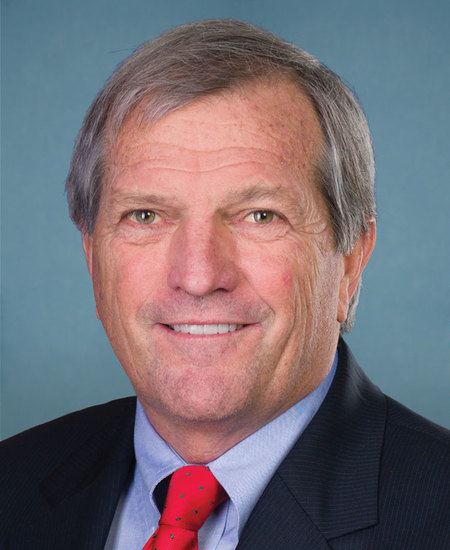
Rep. Mark DeSaulnier
Sponsored bills
Protecting Renters from Evictions Act of 2021 This bill extends through December 31, 2021, the order issued by the Centers for Disease Control and Prevention titled Temporary Halt in Residential Evictions To Prevent the Further Spread of COVID–19 and published on September 4, 2020.
This resolution (1) commits to advancing policies that will end roadway fatalities by 2050, and (2) calls on Congress and the Department of Transportation to commit to working together to achieve zero roadway fatalities by the year 2050.
Exercise and Fitness for All Act This bill requires the Architectural and Transportation Barriers Compliance Board (Access Board) to develop guidelines for exercise or fitness service providers regarding the provision of accessible exercise or fitness equipment. The Access Board must subsequently promulgate regulations, consistent with the guidelines, requiring that exercise or fitness classes and instruction provided by fitness providers are accessible to people with disabilities. The regulations also must require that each provider make at least one employee available to assist people with disabilities with using the accessible exercise or fitness equipment.
Saving America's Pollinators Act of 2021 This bill addresses the use of certain pesticides and the health and status of native bees and other pollinators. First, the bill requires the Environmental Protection Agency (EPA) to establish a Pollinator Protection Board to develop an independent review process for pesticides that pose a threat to pollinators and their habitats. All active ingredients and pesticide products that contain one or more specified neonicotinoid pesticides must be deemed to generally cause unreasonable adverse effects to the environment. Under the bill, the registration of all uses of neonicotinoid pesticides must be immediately and permanently canceled. The EPA must revoke any tolerance or exemption that allows the presence of a neonicotinoid pesticide, or any pesticide chemical residue that results from neonicotinoid pesticide use, in or on food. The continued sale or use of existing stocks of neonicotinoid pesticides is prohibited, and the EPA may not register any such pesticides under the Federal Insecticide, Fungicide and Rodenticide Act. The bill requires the Department of the Interior, the EPA, and the Department of Agriculture to coordinate monitoring activities and report on the health and population status of native bees and other pollinators. Finally, a state or federal agency may be granted an exemption to use neonicotinoid pesticides if the board votes that use of the pesticide is warranted (1) in an emergency situation to avert significant risk to threatened or endangered species, (2) to quarantine invasive species, or (3) to protect public health.
Closing the Meal Gap Act of 202 1 This bill revises the requirements for calculating Supplemental Nutrition Assistance Program (SNAP) benefits. The bill increases the minimum SNAP benefit and requires benefits to be calculated using the value of a low-cost food plan. The Department of Agriculture (USDA) must determine the requirements for the low-cost food plan, which is the diet required to feed a family of four, consisting of a man and a woman 19-50 years of age, a child 6-8 years of age, and a child 9-11 years of age. USDA must (1) reevaluate and publish the market baskets of the plan by January 1, 2027, and every five years thereafter, based on current food prices, food composition data, consumption patterns, and dietary guidance; and (2) make adjustments to the plan to account for household size, changes in the cost of the diet, and the costs of food in specified areas. The bill modifies the requirements for calculating household income to determine SNAP eligibility by (1) authorizing a standard medical expense deduction for households containing an elderly or disabled member, and (2) eliminating the cap on the excess shelter expense deduction. The bill eliminates certain work requirements for SNAP. The requirements apply to able-bodied adults who are ages 18-49 and have no dependent children. The bill allows Puerto Rico, American Samoa, and the Northern Mariana Islands to participate in SNAP. Currently, the three territories receive block grants instead of participating in SNAP.
Smoke Planning and Research Act of 2021 This bill requires the Environmental Protection Agency (EPA) to research and mitigate the impacts of smoke emissions from wildland fires. Specifically, the EPA must establish (1) four Centers of Excellence for Wildfire Smoke at institutions of higher education, and (2) a grant program to support community mitigation efforts.
Securing Universal Communications Connectivity to Ensure Students Succeed Act or the SUCCESS Act This bill provides additional funding for the Emergency Connectivity Fund, which supports remote learning during the COVID-19 emergency period by covering reasonable costs of laptop and tablet computers, Wi-Fi hotspots, modems, routers, and broadband connectivity purchases for off-campus use by students, school staff, and library patrons.
This concurrent resolution expresses the sense of Congress that government entities should consider using a portion of proceeds from litigation against opioid manufacturers and distributors for drug take-back programs.
Water Conservation Rebate Tax Parity Act This bill expands the tax exclusions for energy conservation subsidies to include subsidies provided (directly or indirectly) (1) by a public utility for the purchase or installation of any water conservation or efficiency measure; (2) by a storm water management provider for the purchase or installation of any storm water management measure; or (3) by a state or local government to a resident of such state or locality for the purchase or installation of any wastewater management measure, but only if such measure concerns the taxpayer's principal residence.