California Clean Coast Act of 2023 This bill prohibits oil and gas exploration and leasing in areas of the outer Continental Shelf located off the coast of California.
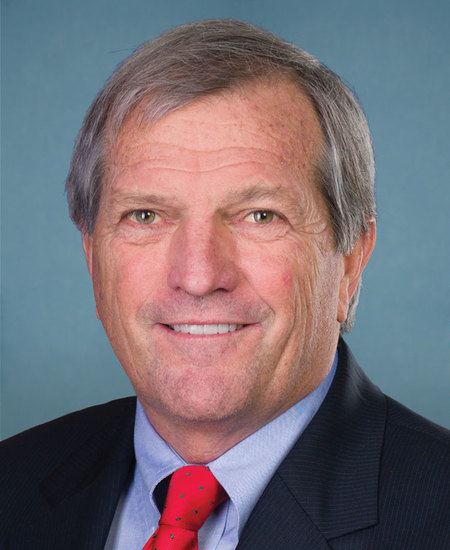
Rep. Mark DeSaulnier
Sponsored bills
Maddy summaryThe TRACK Act of 2023 requires federal agencies (including HHS, NIH, Defense, and Veterans Affairs) to create a public database tracking all government funding for biomedical research and development. It compiles specific details about contracts, grants, licensing agreements, and tax benefits related to drug, device, and therapy development - including funding amounts, recipient organizations, product names/prices, and patent information. The database must be searchable by the public within one month of the bill’s enactment and updated every two weeks. This directly affects federal agencies managing biomedical funding and the private companies, institutions, and researchers receiving that support. The goal is to increase transparency about how taxpayer dollars fund medical product development.

Maddy summaryHR 1619 requires schools participating in the National School Lunch Program to provide fluid milk substitutes (like soy or almond milk) upon request by a student or their parent/guardian. The bill removes the previous requirement that substitutions needed a medical authority's written statement for most dietary needs, instead allowing requests based on the student's or parent's request alone. It aligns the definition of acceptable substitutes with current Dietary Guidelines for Americans. This change directly affects students with dietary restrictions, making it simpler for schools to accommodate their needs without extra medical documentation.
Maddy summaryThe Jobs to Compete Act creates a new Workforce Pell Grant program to support students in short-term career training programs. These programs must be between 150-600 clock hours (or equivalent), align with high-demand occupations, and demonstrate graduates earn at least 20% more than before completing the program. Institutions offering qualifying programs must publicly report detailed information including tuition costs, completion rates, employment outcomes, and graduate earnings. The bill requires programs to meet specific quality standards including industry alignment, provision of recognized credentials, and transparency about student outcomes. This program targets students in career and technical education programs who may not pursue traditional four-year degrees.
Maddy summaryHR 1595 establishes a federal grant program to help states improve their licensing systems for firearms dealers. It authorizes annual competitive grants (up to $2.5 million per state per year) for states to develop, implement, or evaluate their dealer licensing programs, provided they already meet minimum standards like requiring 3-year licenses, conducting inspections, and imposing penalties for violations. States receiving grants must report annually on inspections, violations, license status, and other metrics, with the Attorney General also submitting annual reports to Congress. This bill directly affects state governments that operate firearms dealer licensing programs, providing funding to strengthen oversight without changing existing state laws.
Maddy summaryThis bill authorizes a Congressional Gold Medal to honor the "Hello Girls" - female telephone operators who served in the Army Signal Corps during World War I. They provided critical battlefield communications in France (connecting 26 million calls), wore military uniforms, and faced combat risks, but were denied veteran benefits for 60 years due to being classified as civilian contractors. The medal recognizes their pioneering service, devotion, and the decades-long struggle to gain military recognition. The award follows similar recognition for other WWII women veterans and aims to correct the historical injustice they faced.
Maddy summaryHRES 219 is a symbolic resolution (not a binding bill) expressing the House’s support for inclusive public schools. It urges schools to adopt historically accurate, diverse educational materials that reflect the nation’s diversity, foster parent-educator partnerships, and eliminate discrimination based on race, disability, LGBTQ+ identity, or other factors. The resolution emphasizes creating safe, well-rounded learning environments that prepare all students for success while protecting students’ civil rights. It directly affects public school districts, educators, families, and students by encouraging practices that promote equity and inclusion.
Maddy summaryHR 1499, the Good Jobs for Good Airports Act, requires airports receiving federal funding to pay covered service workers a minimum wage of at least $15 per hour (or higher if state/local laws or federal standards require it) and provide minimum fringe benefits. It directly affects workers in specific airport roles like security, ticketing, concessions, cleaning, and ramp services at small, medium, or large hub airports. The bill mandates annual certification from airport operators to verify compliance with these wage and benefit standards, tied to eligibility for federal airport grants under the Infrastructure Investment and Jobs Act. It does not override stricter state or local laws but ensures minimum standards for workers supporting airport operations.
Maddy summaryThis bill removes federal restrictions that previously limited methadone prescribing for opioid use disorder, allowing certified addiction specialists and program employees to prescribe methadone through pharmacies for up to 30 days per electronic prescription. It directly affects patients with opioid use disorder who can now access treatment more flexibly outside traditional clinic settings, and healthcare providers who gain new prescribing authority. Key provisions include requiring electronic prescriptions, mandating patient informed consent about confidentiality differences, and permitting telehealth for counseling and ancillary services. The bill also requires annual reports to Congress tracking registered providers and patients served.
Maddy summaryHR 1328, the Medical Device Nonvisual Accessibility Act of 2023, requires certain home-use medical devices (like blood pressure monitors and sleep apnea machines) to include nonvisual accessibility features - such as voice commands or audio feedback - by 2025. It directly affects blind or low-vision users who rely on these devices for independent, safe, and private care at home. The bill mandates that devices classified as Class II or III (and cleared via FDA processes) must meet accessibility standards ensuring equal usability for blind or low-vision individuals, with limited waivers allowed for manufacturers facing undue hardship. The FDA will develop and enforce these standards within two years, consulting with accessibility experts and blind users.