

Maddy summaryHRES 966 is a symbolic resolution condemning alleged sexual violence committed by Hamas during its October 7, 2023, attack on Israel. It specifically references eyewitness accounts, forensic evidence, and Hamas fighters' admissions of ordering gang rape, sexual mutilation, and assault against Israeli civilians. The resolution calls for international condemnation of such acts as weapons of war, urges nations to criminalize sexual violence, and supports investigations into Hamas' actions. As a non-binding resolution, it does not create new laws or directly affect any individuals but formally expresses the House's position on the issue.
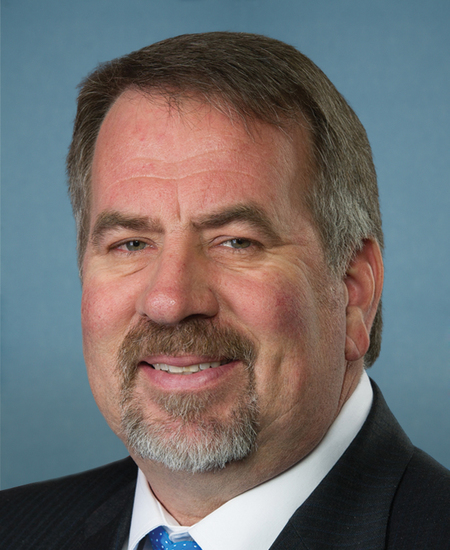
Rep. Doug LaMalfa
Sponsored bills
Maddy summaryHR 7349, the Safe Passage on Interstates Act of 2024, makes it a federal crime to intentionally obstruct interstate highways. The bill prohibits deliberately slowing traffic, standing near vehicles, or endangering vehicle movement on interstate highways with the intent to block normal use. Violators face fines up to $15,000 and prison sentences up to 20 years, with harsher penalties for obstructing emergency vehicles or causing death. This law directly affects individuals who intentionally disrupt interstate traffic flow, aiming to protect the free movement of vehicles on the national highway system. The bill adds this new criminal provision to federal law without changing existing state traffic regulations.
Maddy summaryHR 6854, the Habitat Enhancement Now Act, establishes two federal grant programs to support migratory waterfowl populations. It provides $1.5 million annually (2024-2028) for competitive grants to state governments, nonprofits, or individuals to build hen houses (nesting structures on posts) in the prairie pothole region (ND, SD, MT, IA, MN) to improve duck nesting success. A separate grant program in California funds activities like creating nesting cover, brood ponds, and landowner incentives to enhance breeding success for ducks such as mallards. The bill directly affects waterfowl conservation efforts by providing targeted funding for habitat improvements in specific geographic areas.
Maddy summaryThis bill prohibits abortion providers from disposing of fetal remains (including medical waste from abortions) into publicly owned water systems, such as drains or pipes managed by government entities. It applies specifically to individuals performing abortions, not the patients receiving care. Violations could result in fines, up to five years in prison, or both. The law clarifies that patients cannot be held liable for such violations and does not prevent states from enacting stricter disposal requirements.
Maddy summaryHJRES 114 is a joint resolution seeking congressional disapproval of a Federal Highway Administration (FHWA) rule that would have required tracking greenhouse gas emissions as part of assessing performance for the National Highway System. The rule, published in the Federal Register in December 2023, aimed to establish specific metrics for evaluating highway system performance, including emissions data. If approved, this resolution would nullify the rule, preventing the FHWA from implementing the emissions tracking requirement. This action directly affects how the FHWA measures highway system performance, specifically regarding environmental metrics.
Maddy summaryHR 7288, the Armenian Protection Act of 2024, repeals the waiver authority that allows the President to bypass restrictions on U.S. aid to Armenia. Specifically, it prevents the waiver of Section 907 of the Freedom Support Act for fiscal years 2024 and 2025, which currently blocks U.S. assistance to Armenia due to historical disputes. This bill directly affects Armenia's eligibility for certain U.S. foreign aid programs by removing the possibility of executive branch waivers for those years. The key mechanism is the permanent removal of the waiver option under the specified appropriations law, changing the policy landscape for U.S.-Armenia aid relations.
Maddy summaryThis non-binding resolution urges the U.S. State Department to redesignate Nigeria as a "Country of Particular Concern" (CPC) for systematic religious freedom violations under the International Religious Freedom Act, and to appoint a Special Envoy for Nigeria and the Lake Chad region. It cites U.S. Commission on International Religious Freedom (USCIRF) recommendations, reports of ongoing violence against Christian communities (including church attacks and kidnappings), and Nigeria’s blasphemy laws as justification. The resolution specifically requests the Secretary of State to immediately redesignate Nigeria as a CPC and the President to appoint a Special Envoy with direct reporting to the Secretary. It does not create new law but expresses congressional intent for U.S. diplomatic action. (3 sentences)
Maddy summaryHR 7234, the NACIE Improvement Act, requires the National Advisory Council on Indian Education (NACIE) to include at least one Tribal College or University president in its membership within 180 days of enactment. The bill mandates that NACIE submit its annual report to the Education and Interior Secretaries by June 30 each year, ensuring these departments consider the report when preparing federal budget proposals. This directly affects Tribal Colleges by guaranteeing their representation on NACIE and influences how federal education and tribal funding decisions are shaped through formal budget review processes. The bill does not change funding levels but establishes a procedural requirement for tribal input into federal education budget planning.
Maddy summaryHJRES 107 is a congressional resolution seeking to block a Federal Communications Commission (FCC) rule published on January 22, 2024 (89 Fed. Reg. 4128). The resolution aims to disapprove the FCC's rule implementing digital discrimination protections under the Infrastructure Investment and Jobs Act, which would have required internet providers to prevent discriminatory practices. If passed, this resolution would nullify the FCC rule, preventing it from taking effect under the Congressional Review Act (Chapter 8 of Title 5, U.S. Code). The bill directly affects the FCC's regulatory authority over digital discrimination enforcement in broadband services.
Maddy summaryThis resolution seeks congressional disapproval of a Treasury Department rule (88 Fed. Reg. 80584, November 2023) that established spending guidelines for $350 billion in federal Coronavirus State and Local Fiscal Recovery Funds. If passed, it would nullify the rule, preventing the Treasury from enforcing its specific restrictions on how states and localities could use these pandemic recovery funds. The bill does not alter the underlying funding program but targets the implementation rules through a procedural disapproval process under Title 5 of the U.S. Code. It directly affects the Treasury Department's authority to administer the fund distribution rules.