

Maddy summaryThis bill establishes an Agricultural Trade Enforcement Task Force to address foreign trade barriers harming U.S. agricultural exports, specifically targeting India's WTO-violating price support programs for rice, wheat, and other commodities. The Task Force, led by the U.S. Trade Representative and Agriculture Department, must identify systemic trade barriers, develop enforcement strategies, and file a WTO dispute against India within 60 days of consultations if needed. It requires quarterly reports to Congress on progress, including a specific plan to challenge India's subsidies that exceed WTO limits (e.g., rice supports at 93.9% of production value). The bill directly affects U.S. farmers, ranchers, and exporters who face market access barriers due to these foreign subsidies.
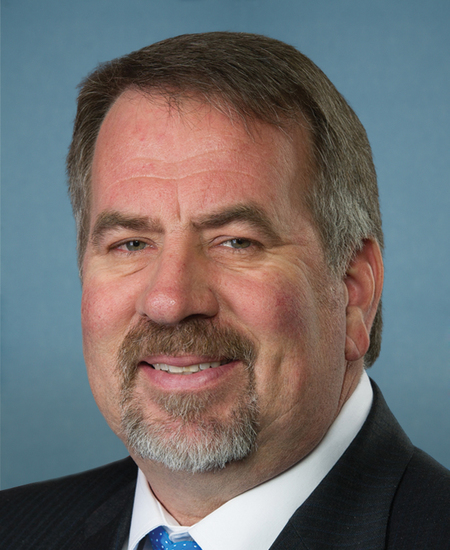
Rep. Doug LaMalfa
Sponsored bills
Maddy summaryThis bill modifies the $800 de minimis exemption for small shipments entering the U.S. duty-free. It excludes goods from nonmarket economy countries and nations on the U.S. trade "priority watchlist" from this exemption. Importers must submit detailed documentation (including origin, value, shipper details, and classification) to U.S. Customs within 180 days of enactment. Providing false information could result in $5,000 civil penalties per violation. The changes apply to shipments entered on or after 180 days after the bill’s enactment.
Maddy summaryThe Strengthening Tribal Families Act of 2023 requires U.S. states receiving federal child welfare funding to explicitly comply with the Indian Child Welfare Act (ICWA) of 1978. It amends federal law to mandate that state child welfare agencies follow ICWA standards in cases involving Native American children, including timely tribal notice and proper placement decisions. The bill establishes specific metrics for measuring compliance, such as tracking how often courts return cases for insufficient "active efforts" and documenting foster care or adoption placements. States must submit biennial reports to Congress on their progress, and a new federal process will develop standardized compliance assessment tools by 2024. This directly affects state child welfare agencies, tribal organizations, and Native American families involved in custody proceedings.
Maddy summaryThe Strengthening Tribal Families Act of 2023 requires state child welfare agencies to comply with the Indian Child Welfare Act of 1978 (ICWA) in all cases involving Native American children. It amends federal child welfare laws to mandate specific ICWA compliance measures in state plans, such as timely tribal notice in custody cases and proper foster care placements. The bill establishes a system for measuring state compliance, tracking factors like identification of Indian children and court decisions on parental rights. States must submit biennial reports to Congress on their progress in meeting these requirements.
Maddy summaryThis bill prohibits federal funding for gender transition procedures - including hormone therapy, puberty blockers, and surgeries like genital reassignment - across all federal programs and health plans. It exempts procedures for medical conditions (such as disorders of sex development) and treatment of complications arising from such procedures. The bill also blocks Affordable Care Act premium tax credits and cost-sharing reductions for health plans covering these services, though individuals may purchase separate non-federal-funded coverage. State and private insurers can still offer such coverage using their own funds, but federal subsidies cannot be applied to it.
Maddy summaryThis bill would require Medicare to cover FDA-approved blood tests that screen for multiple cancers simultaneously (like breast, lung, or colorectal cancer) for beneficiaries. It directly affects Medicare recipients aged 65+ who could access these new screenings once per year, without prior authorization. The key provision adds "multi-cancer early detection screening tests" to Medicare's covered services under Part B, defining them as blood tests analyzing cell-free DNA, while maintaining existing coverage for standard screenings like mammograms. The bill does not change current coverage for individual cancer screenings but ensures Medicare keeps pace with new medical technology.
Maddy summaryHR 549, the Metastatic Breast Cancer Access to Care Act, removes waiting periods for disability and Medicare coverage for people diagnosed with metastatic breast cancer. Specifically, it amends Social Security Act sections to allow immediate eligibility for disability insurance benefits (eliminating the standard waiting period) and immediate Medicare coverage (waiving the 24-month waiting period) for these patients. The bill directly affects individuals with metastatic breast cancer who would otherwise face delays in accessing critical benefits. These changes apply to applications filed or benefits beginning after the bill's enactment date. The law makes no other policy changes beyond these specific eligibility adjustments.
Maddy summaryHR 521, the Social Security Guarantee Act of 2023, requires the Treasury Secretary to issue a legally binding certificate to every Social Security beneficiary within 90 days of the bill's enactment. This certificate guarantees the exact monthly benefit amount the recipient is entitled to under current law and ensures annual cost-of-living adjustments (COLAs) are calculated accurately based on actual inflation. The certificate creates a direct federal obligation to pay these guaranteed benefits, making them budget authority independent of future appropriations. It directly affects all current and future Social Security beneficiaries under Title II of the Social Security Act.
Maddy summaryHR 497, the Freedom for Health Care Workers Act, eliminates a federal requirement for healthcare workers in Medicare and Medicaid programs to be vaccinated against COVID-19. The bill directly affects healthcare providers who treat patients under these federally funded programs by preventing the enforcement of the November 2021 HHS rule mandating staff vaccinations. Its key provision prohibits the Department of Health and Human Services from implementing, enforcing, or creating a similar rule regarding vaccination for these workers. This bill changes the policy by removing a specific vaccine mandate for providers in Medicare and Medicaid programs.
Maddy summaryHR 407, the "Protect the UNBORN Act," prohibits federal agencies from implementing or enforcing two specific executive orders issued by President Biden in 2022 (Executive Orders 14076 and 14079), which aimed to protect access to reproductive healthcare services. The bill bans the use of federal funds, including those from the 2022 Consolidated Appropriations Act, to carry out, administer, or enforce these executive orders. It directly affects federal agencies and programs that would otherwise comply with the Biden administration's policies on reproductive healthcare access. The bill does not create new healthcare rules but blocks the implementation of existing executive actions.