

Maddy summaryThis bill increases criminal penalties for individuals who re-enter the U.S. after being deported, removed, or excluded. It sets a maximum 5-year prison sentence for most cases, but adds up to 10 years for those with prior drug/crime convictions or multiple prior removals. For serious cases - such as aggravated felonies or two prior reentry convictions - it mandates a 5-20 year prison term. The law directly affects people who return without authorization after formal immigration removal proceedings.
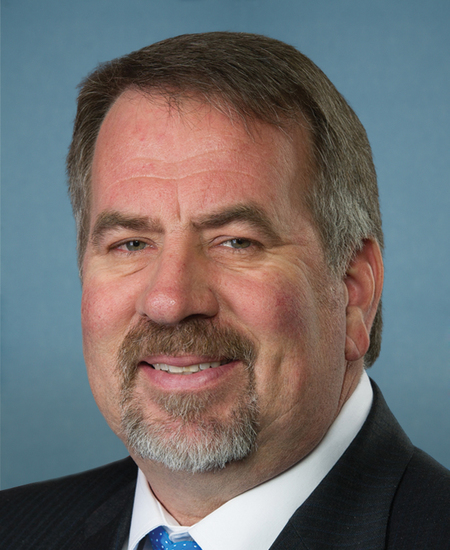
Rep. Doug LaMalfa
Sponsored bills
Maddy summaryHR 719, the "No Abortion Coverage for Medicaid Act," would prohibit federal Medicaid funds from covering abortions under any Medicaid demonstration projects or waivers, with limited exceptions. It specifically blocks federal financial assistance for abortion services or related expenses (like travel) in Medicaid programs, except in cases of rape or incest, life-threatening pregnancy conditions, or treatment for miscarriage or ectopic pregnancy. This bill directly affects Medicaid recipients in states participating in federal demonstration projects, preventing them from using Medicaid funds for abortion services except under the narrow exceptions listed. The bill aims to permanently align Medicaid funding with the longstanding Hyde Amendment restrictions.
Maddy summaryHR 731, the Green Tape Elimination Act of 2025, exempts certain forest fire prevention activities on federal land from major environmental review and legal requirements for 10 years. It specifically removes the need for compliance with the Endangered Species Act, National Historic Preservation Act, Migratory Bird Treaty Act, and related laws when conducting "hazardous fuel reduction activities," such as prescribed burns, creating firebreaks, or mechanically removing dead vegetation. The bill also adds a provision to the Clean Air Act allowing the EPA to exclude air quality monitoring data directly caused by these activities from violation determinations. This directly affects federal land management agencies (like the Forest Service) conducting fire prevention work on public lands.
Life at Conception Act This bill declares that the right to life guaranteed by the Constitution is vested in each human being at all stages of life, including the moment of fertilization, cloning, or other moment at which an individual comes into being. Nothing in this bill shall be construed to authorize the prosecution of any woman for the death of her unborn child.
Maddy summaryHR 21, the Born-Alive Abortion Survivors Protection Act, requires medical staff at abortion facilities to provide the same immediate care and hospital admission to any infant born alive during an abortion as they would for any newborn. It mandates reporting failures to provide this care to law enforcement and imposes penalties of up to 5 years in prison for violations, with harsher penalties for intentional killing. The bill also allows women who undergo abortions to sue for civil damages, including triple the abortion cost, and provides for attorney fees. It defines "abortion" to exclude procedures performed after viability to preserve a live birth. This law directly affects healthcare providers at abortion facilities and creates new federal legal obligations for them.
Maddy summaryHR 703, the Main Street Tax Certainty Act, makes a key tax deduction permanent for small business owners. It removes the temporary sunset provision (subsection (i)) from Section 199A of the tax code, ensuring the qualified business income deduction remains available for eligible small businesses. This change directly affects pass-through business owners (like S-corps, partnerships, and sole proprietorships) who currently qualify for this deduction. The permanent change takes effect for tax years starting after December 31, 2025.
Maddy summaryHR 648, the Strengthening our Servicemembers with Milk Act, requires the Secretary of Defense to provide a variety of milk options - including unflavored, organic, lactose-free, and different fat levels - to all members of the Armed Forces at military dining facilities. The bill mandates that installations offer these choices to support servicemember nutrition and dietary needs. It also prohibits purchasing milk from entities owned or controlled by foreign adversaries, as defined by Commerce Department regulations. This policy directly affects military personnel dining at on-base facilities nationwide.
Maddy summaryHR 629, the "Ending Chemical Abortions Act of 2025," would criminalize the prescription, distribution, or sale of drugs used for chemical abortions (like mifepristone and misoprostol) under federal law, with penalties up to 25 years in prison. It directly affects healthcare providers who prescribe or dispense these drugs, while exempting contraceptive use before pregnancy, treatment of miscarriages, and life-threatening pregnancy conditions certified by a physician. The bill defines "abortion" as intentionally ending a pregnancy, excludes women from prosecution, and redefines "unborn child" to begin at fertilization. This legislation would replace existing federal abortion-related provisions and apply nationwide, making chemical abortion drugs subject to new criminal penalties.
Maddy summaryHR 7 prohibits federal funds from being used for abortions or health insurance plans covering abortion, with exceptions for pregnancies resulting from rape, incest, or when a woman's life is endangered. It blocks federal premium tax credits under the Affordable Care Act for health plans covering abortion (except in specified cases) and requires clear disclosure of abortion coverage and related surcharges in plan materials. The bill allows individuals or employers to purchase separate abortion coverage using non-federal funds, such as out-of-pocket payments, without affecting federal subsidies. It directly affects federal health programs, ACA marketplace plans, and health insurance issuers offering coverage that includes abortion services.
Birthright Citizenship Act of 2025 This bill limits birthright citizenship by redefining what it means to be subject to the jurisdiction of the United States. Currently, a person born in the United States and subject to U.S. jurisdiction is entitled to citizenship. Under the bill, a person is subject to U.S. jurisdiction if he or she is born to a parent who is (1) a U.S. citizen or national, (2) a lawful permanent resident residing in the United States, or (3) a non-U.S. national ( alien under federal law) with a lawful immigration status who is performing active service in the Armed Forces. The bill does not affect the citizenship or nationality status of any person born before the bill's enactment date.