

Maddy summaryHR 1997, the Productive Public Lands Act, requires the Bureau of Land Management (BLM) to reissue nine specific existing resource management plans within 60 days of enactment, updating their "preferred alternatives" as previously selected. The bill directly affects BLM field offices managing public lands in Colorado, Wyoming, and other areas covered by these plans. Key provisions formally deem these reissued plans compliant with environmental laws (like NEPA) and eliminate the need for additional environmental reviews. This is a procedural bill finalizing prior decisions, not creating new land use policies.
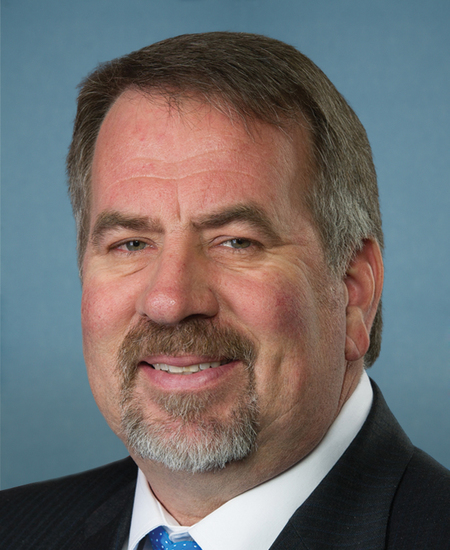
Rep. Doug LaMalfa
Sponsored bills
Maddy summaryHR 956, the Aerial Firefighting Enhancement Act of 2025, updates the 1996 Wildfire Suppression Aircraft Transfer Act to improve how the Department of Defense sells aircraft and parts for wildfire fighting. It specifically adds "water" to the list of materials usable for suppression (alongside fire retardant) and clarifies that sold aircraft can only be used for wildfire suppression services, not other purposes. The bill extends the authorization period for these sales from October 1, 2025, to October 1, 2035. This directly affects the Department of Defense, which manages the sales, and wildfire suppression agencies that would use the aircraft and equipment. The changes aim to streamline access to aerial firefighting resources while ensuring they are used solely for wildfire response.
Maddy summaryThe Stop the Cartels Act (HR 1915) aims to combat drug trafficking and human smuggling by enhancing U.S. intelligence efforts focused on Mexico and Central American countries. It requires regular reports on drug trafficking organizations, designates specific cartels (including the Sinaloa Cartel and Jalisco New Generation Cartel) as "Special Transnational Criminal Organizations," and withholds federal grants from jurisdictions that violate immigration laws. The bill also establishes refugee application centers in Mexico and Central America, increases immigration judge staffing by 500 positions, and reforms asylum processing to address fraud while ending family separation policies. It repurposes federal drug program funding by increasing substance abuse prevention and treatment grants while repealing several existing programs. The legislation directly affects U.S. immigration enforcement, federal funding allocation to state and local governments, and the processing of asylum claims and refugee applications.
Maddy summaryThis bill restores pension benefits for retirees affected by the termination of specific Delphi pension plans. It requires the Pension Benefit Guaranty Corporation (PBGC) to recalculate monthly benefits to the "full vested plan benefit" (the amount retirees would have received without prior reductions) and pay lump-sum payments for past underpayments, including 6% annual interest. The law applies to retirees of six Delphi pension plans, including the Delphi Hourly-Rate Employees Pension Plan and Delphi Retirement Program for Salaried Employees, who are currently receiving benefits or eligible for future payments. Payments will be funded from existing PBGC resources without changing prior asset allocations.
Maddy summaryThe FISH Act of 2025 transfers responsibility for managing migratory fish species (such as salmon that spawn in freshwater and migrate to the ocean, or eels that spawn in the ocean and migrate to freshwater) from the Department of Commerce to the Department of the Interior. It amends the Endangered Species Act to update the "Secretary" reference for these species to the Secretary of the Interior and adds clear definitions for "anadromous" and "catadromous" species. The bill ensures existing permits, decisions, and legal cases involving these fish continue without interruption during the transition. It also allows for reconsideration of certain administrative decisions made by the Commerce Department within three years before the transfer, if requested within one year of the transfer.
Maddy summaryHR 471, the Fix Our Forests Act, establishes a new system for identifying and managing high-risk wildfire areas called "firesheds" and creates a centralized Fireshed Center to coordinate wildfire risk management across federal agencies. The bill streamlines environmental reviews for wildfire risk reduction projects, allowing for faster implementation of hazardous fuels management activities in designated areas. It includes provisions for community wildfire risk reduction programs, water source protection, and specific initiatives for restoring white oak forests. The legislation also includes litigation reforms to expedite forest management projects and reduce delays from legal challenges. These provisions aim to reduce wildfire risk and improve forest health through more coordinated, data-driven management approaches.
Maddy summaryHR 1844 (PAGER Act) restricts U.S. military aid to Lebanon until the Secretary of State certifies Lebanon has ended political recognition of Hezbollah and allied groups, disarmed Hezbollah per UN Resolution 1559, and severed military ties with Iran/Hezbollah. It also prohibits U.S. funding for UN programs supporting Lebanese security forces’ livelihoods. The bill mandates quarterly reports on Hezbollah and Iran’s influence in Lebanon’s government and military. These provisions apply to all U.S. funding for Lebanon’s armed forces and internal security forces, with certification required before aid resumes.
Maddy summaryHR 1383 extends the Secure Rural Schools program, which provides payments to counties and states with federal land (like national forests) to support local schools and services. It reauthorizes these payments through fiscal year 2026, adding specific rules to ensure counties don’t receive duplicate payments for 2024 and 2025. The bill also extends related authorities for special projects on federal land and county fund expenditures through 2028-2029. This directly affects rural communities adjacent to federal lands that rely on these payments for education and infrastructure.
Maddy summaryHR 620, the FARM Act, expands the Committee on Foreign Investment in the United States (CFIUS) to review foreign investments in U.S. agriculture. It requires CFIUS to assess transactions where foreign entities gain control of U.S. agricultural businesses (including those using agricultural products defined under 7 U.S.C. 451) and adds agricultural supply chains to the list of critical infrastructure and critical technologies. The bill mandates annual reports from the Secretary of Agriculture and the Comptroller General to Congress, detailing foreign investments in U.S. agriculture, potential threats to supply chains, and espionage risks targeting agricultural research or data. This directly affects foreign investors seeking to acquire U.S. agricultural assets and reshapes CFIUS review processes for the sector.
Maddy summaryThis bill amends federal law to require that individuals purchasing handguns from licensed dealers be at least 21 years old, removing previous exceptions that allowed sales to those under 21 for certain firearms. It directly affects anyone seeking to buy handguns from federally licensed gun sellers, raising the minimum age from 18 to 21 for these transactions. The bill also removes an existing age verification statement (requiring buyers to confirm they are 21 or older) for handgun purchases, aligning the requirement with the new age standard. Rifles and shotguns remain unaffected by this provision, as the amendment specifically targets handguns only. The bill's title referencing "voter" is unrelated to its actual provisions on firearm sales.