

Permanent CFC Look-Through Act of 2023 This rule makes permanent the look-through rule for related controlled foreign corporations (CFCs). That rule provides that dividends, interest, rents and royalties one CFC receives from a related CFC are not treated as foreign personal holding company income (thus permitting the deferral of tax on such income).
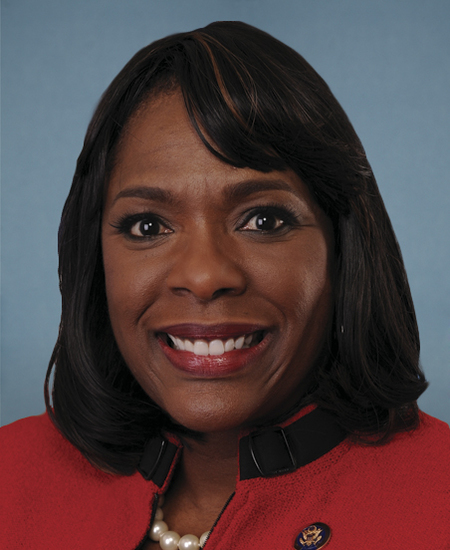
Rep. Terri A. Sewell
Sponsored bills
Maddy summaryHR 4335, the VA Loan Informed Disclosure Act of 2023, requires mortgage lenders to include specific information about VA home loan programs in standard mortgage disclosures. The bill amends the National Housing Act to mandate that lenders provide details on VA loans (guaranteed under Title 38) alongside other loan options, including assumptions about prevailing interest rates. This change directly affects lenders processing VA-guaranteed mortgages, ensuring borrowers receive clearer comparisons between VA loans and other financing. The law does not require lenders to verify borrower eligibility for VA loans, only to include the specified disclosure language.
Maddy summaryHR 4272, the Stop Fentanyl Now Act of 2023, directly affects schools, public health systems, and law enforcement by expanding prevention and response efforts to the fentanyl crisis. The bill requires schools to train staff on carrying and administering naloxone (an opioid overdose reversal drug) and provides grants to states for school-based programs, treatment access, and harm reduction tools like fentanyl test strips. It also increases law enforcement resources to disrupt fentanyl trafficking, including targeting online sales, and removes legal barriers for possessing fentanyl test strips. These provisions aim to reduce overdose deaths by improving education, treatment access, and prevention strategies in communities most impacted by fentanyl-laced pills.
Maddy summaryHJRES 76 proposes renaming the Robert E. Lee Memorial in Arlington National Cemetery to the "Arlington House National Historic Site." This procedural bill would replace all official references to the memorial with the new name and repeal two prior resolutions (1955 and 1972) that established the memorial. The change affects how the site is identified in federal laws, documents, and records but does not alter its management or historical significance. The bill focuses solely on the official designation, not on policy changes or historical interpretation.
Maddy summaryThis bill establishes the John Lewis Civil Rights Fellowship Program within the Fulbright exchange system to honor civil rights leader John Lewis and advance U.S. foreign policy through global civil rights education. It creates a new fellowship for U.S. early- to mid-career professionals, selecting at least 25 annually for 10-month programs to conduct research or intern with approved organizations in countries participating in Fulbright exchanges. Fellows must complete a work plan, attend an orientation in Washington, DC, and present findings at an annual summit, with the State Department covering costs for travel, lodging, and expenses. The program requires annual reports on participant demographics and program effectiveness, and expires seven years after enactment.
Maddy summaryThe Equality Act (HR 15) would amend federal civil rights laws to explicitly prohibit discrimination based on sexual orientation and gender identity in public accommodations, housing, employment, credit, and jury service. It amends the Civil Rights Act of 1964 to include sexual orientation and gender identity as protected characteristics under existing sex discrimination provisions. The bill would require businesses, housing providers, employers, and government entities to provide equal access and services without regard to a person's sexual orientation or gender identity. It includes specific definitions for gender identity and sexual orientation to clarify protections across all covered areas. The law would apply to all entities covered by the Civil Rights Act of 1964, including those receiving federal funding.
Maddy summaryHR 4220, the Dental Care for Our Troops Act, creates a dedicated dental benefits plan for members of the Selected Reserve of the Ready Reserve within the military. The bill amends TRICARE law to establish a "no premium" dental plan, meaning Selected Reserve members enrolled in this plan pay no monthly fees or copayments for covered dental care. Key provisions include removing all cost-sharing requirements for dental services under this specific plan and adding a new subsection ensuring members receive care without charges. This directly affects military reservists who serve in the Selected Reserve, providing them with free dental coverage under TRICARE.
Maddy summaryHRES 514 is a non-binding House resolution designating June 19, 2023, as "World Sickle Cell Awareness Day" to raise public awareness about sickle cell disease (SCD). It directly affects individuals living with SCD, their families, and global health systems by urging increased focus on research, early screening for sickle cell trait, and equitable access to treatments. The resolution includes six key recommendations: supporting newborn screening, eliminating barriers to innovative therapies in Medicare/Medicaid, encouraging public events, and calling for a White House-led interagency cabinet to address SCD care gaps. It does not create new laws or allocate funds but aims to mobilize existing efforts and highlight SCD as a global health priority.
Men's Health Awareness and Improvement Act This bill establishes the Office of Men's Health within the Department of Health and Human Services (HHS) and requires other activities to improve men's health in the United States. The office must support and promote men's health programs and initiatives, including by working with relevant federal agencies (e.g., the Department of Defense and the Department of Veterans Affairs) and consulting with other HHS offices and agencies on activities related to men's health. HHS must issue associated guidance and recommendations on improving men's health outcomes that include short-term and long-term objectives for disease prevention, health promotion, and other areas of concern. The bill also requires studies and reports on men's health topics. The Office of the Assistant Secretary for Health must study men's use of health screenings and services, and the Government Accountability Office must report on the effectiveness of federal outreach related to men's health initiatives.
Maddy summaryHR 4121, the Right to Contraception Act, establishes a federal statutory right for individuals to access contraceptives and contraception services without government restriction or coercion, directly affecting all people seeking reproductive care and health care providers. The bill prohibits state or federal laws that limit access to contraceptives (defined broadly to include devices, drugs, and fertility methods), prevent individuals from obtaining or using them, or allow providers to refuse services based on personal beliefs. It preempts conflicting state laws, requires any restrictions to be justified by "clear and convincing evidence" of advancing access with no less restrictive alternative, and allows private lawsuits to challenge violations. The Act applies nationwide to all health care providers and individuals, protecting access regardless of factors like race, income, or location.