

Maddy summaryThe Higher Education Mental Health Act of 2023 establishes an Advisory Commission to study mental health challenges faced by students in higher education. The Commission, composed of 20 members including students with mental health disabilities, campus leaders, advocates, and government representatives, will analyze current services, policies, and data over a two-year period. It will develop recommendations to improve mental health support, retention, and graduation rates for students with mental health disabilities. The bill directly affects all institutions of higher education by requiring them to consider the Commission’s findings and recommendations.
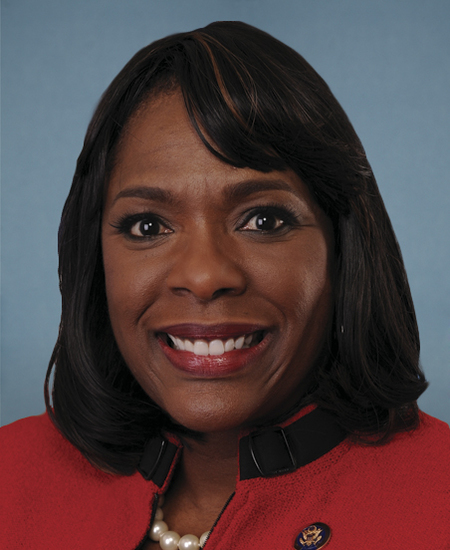
Rep. Terri A. Sewell
Sponsored bills
Maddy summaryThe Early STEAM Achievement Act (HR 3374) creates a federal grant program to support early childhood education programs serving children from birth through age eight. It authorizes the Secretary of Health and Human Services to award competitive grants for STEAM (science, technology, engineering, art, and mathematics) activities, prioritizing rural communities (at least one-third of funds) and nonprofit organizations (at least one-quarter of funds). Grants must fund specific activities like teacher training, educational materials, or partnerships with colleges and arts organizations. The program is authorized for fiscal years 2024 through 2028.
Maddy summaryHRES 289 is a resolution recognizing the week of April 11-17, 2023, as the sixth annual "Black Maternal Health Week" to raise awareness about maternal health disparities. It highlights that Black women in the U.S. face disproportionately high rates of pregnancy-related deaths (2.6 times more likely than White women) and complications, driven by systemic inequities. The resolution urges national attention on these issues and supports policy solutions like the Black Maternal Health Momnibus Act to address racial gaps in maternal care. As a non-binding recognition, it does not enact new laws but aims to amplify community-driven efforts to improve outcomes.
Maddy summaryThis bill extends eligibility for the WIC nutrition program to new mothers for 24 months after childbirth (up from six months) and extends breastfeeding support periods to 24 months (up from one year). It directly affects new mothers and infants who rely on WIC for nutrition assistance, breastfeeding support, and health services. Key provisions include amending the Child Nutrition Act to lengthen these benefit periods and requiring a report within two years evaluating health outcomes, breastfeeding rates, and family experiences. The report must assess impacts on maternal/infant health, racial disparities, and program effectiveness. This is a substantive policy change focused on improving access to critical postpartum support.
Justice for Incarcerated Moms Act This bill establishes new requirements related to grants, programs, and reports to improve the treatment and care of pregnant and postpartum women who are incarcerated. Specifically, the bill requires the following: states must restrict the use of restraints on pregnant women in prison in order to receive full funding under the Edward Byrne Memorial Justice Assistance Grant program; the Bureau of Prisons must establish programs to optimize maternal health outcomes for pregnant and postpartum women in federal prisons; the Bureau of Justice Assistance must award state grants for programs to support pregnant and postpartum women in state and local prisons and jails; and the Government Accountability Office must report on adverse maternal and infant health outcomes among incarcerated individuals and infants born to such individuals, with a particular focus on racial and ethnic disparities.
Maddy summaryHR 2787 modifies a grant program under the Consolidated Farm and Rural Development Act to support rural households with water and wastewater systems. It directs the Secretary to provide grants to nonprofit organizations, which then offer subgrants (for households earning under 60% of median nonmetropolitan income) or loans (for households earning 60% or more) to cover construction, refurbishing, or servicing of individually owned household well and decentralized wastewater systems. Key changes include increasing the maximum loan amount from $15,000 to $20,000 and adding funding for 5-year performance warranties on wastewater systems. The bill also extends the program’s funding deadline from 2023 to 2028. This directly affects low- and moderate-income rural households in areas served by participating nonprofits.
This concurrent resolution honors Mary Eliza Mahoney, the first professionally trained Black nurse in the United States, for her contributions to the nursing profession. It also supports the goals and activities of National Nurses Week.
This resolution supports the designation of ALS Awareness Month. Amyotrophic lateral sclerosis (ALS) is a progressive neurodegenerative disease, also known as Lou Gehrig's disease, that affects nerve cells in the brain and spinal cord.
Maddy summaryThe Sickle Cell Care Expansion Act of 2023 (HR 3100) authorizes federal funding to expand access to sickle cell disease care and research. It creates scholarship and loan repayment programs ($150 million annually) for medical students and physicians specializing in sickle cell disease, requiring them to work in treatment or research for one year per scholarship year. The bill also funds community-based education grants ($50 million annually) for organizations to improve health literacy and access to services, and transition-of-care programs ($70 million annually) to support patients moving from pediatric to adult care, including mental health services and specialist training. These provisions directly affect sickle cell patients, healthcare providers, and community organizations serving affected populations.
Maddy summaryThe Firearm Safety Act of 2023 amends the Consumer Product Safety Act to remove firearms from an existing exclusion, reclassifying them as consumer products under federal law. This change would subject firearms to safety standards, testing, and oversight by the Consumer Product Safety Commission (CPSC), which currently does not regulate firearms under this framework. The bill specifically targets Section 3(a)(5) of the Consumer Product Safety Act, eliminating the exemption that previously kept firearms outside the definition of "consumer product." As a result, firearm manufacturers and sellers would now face CPSC requirements, such as safety testing, labeling, and reporting, similar to other consumer products.