

Maddy summaryH.J.Res. 197 is a procedural resolution disapproving a specific rule issued by the Nuclear Regulatory Commission (NRC) regarding fee schedules for fiscal year 2024. It targets the NRC's rule published in the Federal Register (89 Fed. Reg. 51789) that established fees for nuclear licensing and regulatory services. If passed, this resolution would block the NRC rule from taking effect, directly affecting nuclear energy companies and licensees that would have paid these fees. The resolution uses the standard congressional disapproval process under Title 5, U.S. Code, to halt the rule without altering the underlying fee structure.
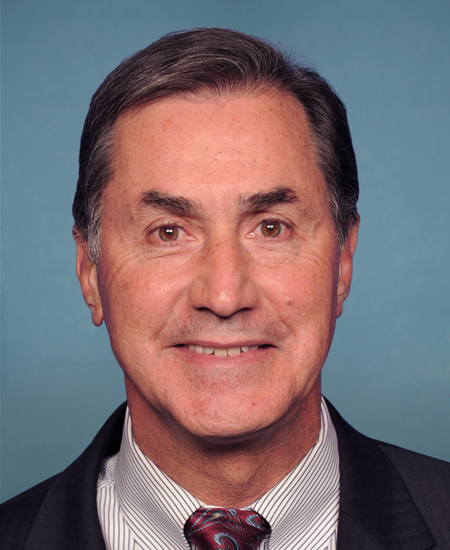
Rep. Gary J. Palmer
Sponsored bills
Maddy summaryThis resolution aims to block a rule issued by the National Highway Traffic Safety Administration (NHTSA) that sets new fuel efficiency standards for passenger cars, light trucks (starting in 2027), and heavy-duty pickup trucks/vans (starting in 2030). If passed, it would prevent this specific rule from taking effect by disapproving it under a congressional review process. The rule directly affects vehicle manufacturers by requiring them to meet these updated fuel economy targets for future model years. This is a procedural resolution, not a new law, focused solely on halting the implementation of the existing NHTSA rule.
Maddy summaryThe Respect State Housing Laws Act amends the CARES Act by removing subsection (c) of Section 4024, which governed notice requirements for housing assistance programs. This change eliminates a specific federal notice provision that applied to tenants and landlords receiving CARES Act housing aid. The bill directly affects the administrative process for housing assistance under the CARES Act, streamlining or removing a requirement for notice delivery. It modifies an existing provision without creating new policy or altering broader housing protections.
Maddy summaryHJRES 194 is a congressional disapproval resolution targeting a specific rule from the National Highway Traffic Safety Administration (NHTSA). It seeks to block NHTSA’s proposed fuel efficiency standards for passenger cars, light trucks (effective for 2027+ model years), and heavy-duty pickup trucks/vans (effective for 2030+ model years). If enacted, this resolution would prevent the NHTSA rule from taking effect, directly affecting automakers required to meet these standards. The resolution uses a procedural mechanism under federal law (Chapter 8 of Title 5, U.S. Code) to halt the regulation without creating new policy.
Maddy summaryThis resolution condemns the International Criminal Court's request for arrest warrants against Israeli Prime Minister Benjamin Netanyahu and Defense Minister Yoav Gallant. It states the U.S. and Israel are not ICC members, notes Israel's coordination of aid into Gaza (including over 828,000 tons of aid), and urges the ICC to withdraw the warrant requests. The resolution expresses support for Israel's efforts against Hamas but has no legal effect, as it is a symbolic statement by the House of Representatives.
Maddy summaryThe SAVE Act (HR 8281) requires U.S. citizens to provide documentary proof of citizenship when registering to vote in federal elections. It defines acceptable proof as documents like passports, REAL ID-compliant IDs, military IDs, or birth certificates, and mandates that states verify citizenship using information from government agencies like DHS and Social Security. States must establish processes for voters without required documentation to provide an attestation under penalty of perjury. The law also requires states to remove noncitizens from voter rolls when verified evidence shows they're not citizens. This bill directly affects all applicants registering to vote in federal elections and state election officials who must implement these requirements.
Maddy summaryThe GOOD Act requires all federal agencies to publish their non-binding policy guidance documents (like memos, letters, or blog posts) on a single, centralized online repository within 180 days of enactment. It directly affects every federal agency by mandating that all such documents - excluding those already exempt under the Freedom of Information Act - be organized into clear categories on agency websites. Key provisions include designating a central website by the Office of Management Budget Director, maintaining rescinded guidance with clear disclaimers, and ensuring public access to all published guidance. The bill focuses solely on improving transparency in how agencies share interpretive guidance, not on changing policy substance.
Maddy summaryHJRES 192 is a joint resolution seeking to block a National Highway Traffic Safety Administration (NHTSA) rule that would have required automatic emergency braking systems on new light vehicles. The rule, published in May 2024, aimed to improve vehicle safety by mandating these systems as a standard feature. If enacted, this resolution would prevent the NHTSA rule from taking effect, meaning automakers would not be required to install the systems. The resolution directly affects the NHTSA's regulatory action and the auto industry's compliance with the proposed safety standard.
Maddy summaryHJRES 189 seeks congressional disapproval of a Department of Energy rule establishing new energy efficiency standards for commercial air conditioners and heat pumps. The rule, published in the Federal Register on May 20, 2024, would have required manufacturers to meet higher efficiency levels for these products. This resolution, if passed, would prevent the rule from taking effect, directly impacting the Department of Energy and commercial HVAC equipment manufacturers. It does not create new requirements but blocks an existing regulatory action.
Maddy summaryHJRES 190 is a congressional resolution seeking to block a Consumer Financial Protection Bureau (CFPB) rule that would have required lenders to provide clearer disclosures when offering "Buy Now, Pay Later" loans accessed through digital accounts. The resolution, introduced July 18, 2024, directs Congress to disapprove the CFPB rule published in the Federal Register on May 31, 2024 (89 Fed. Reg. 47068), which aimed to update Truth in Lending (Regulation Z) for digital account access to these loans. If enacted, this resolution would prevent the rule from taking effect, directly affecting lenders offering such digital payment products. The resolution focuses on procedural disapproval, not on creating new policy.