

Protecting Privacy in Purchases Act This bill prohibits payment card networks from using merchant codes that distinguish firearms retailers from general-merchandise retailers or sporting-goods retailers. The Department of Justice must enforce this bill and report annually on the resulting investigations and cases.
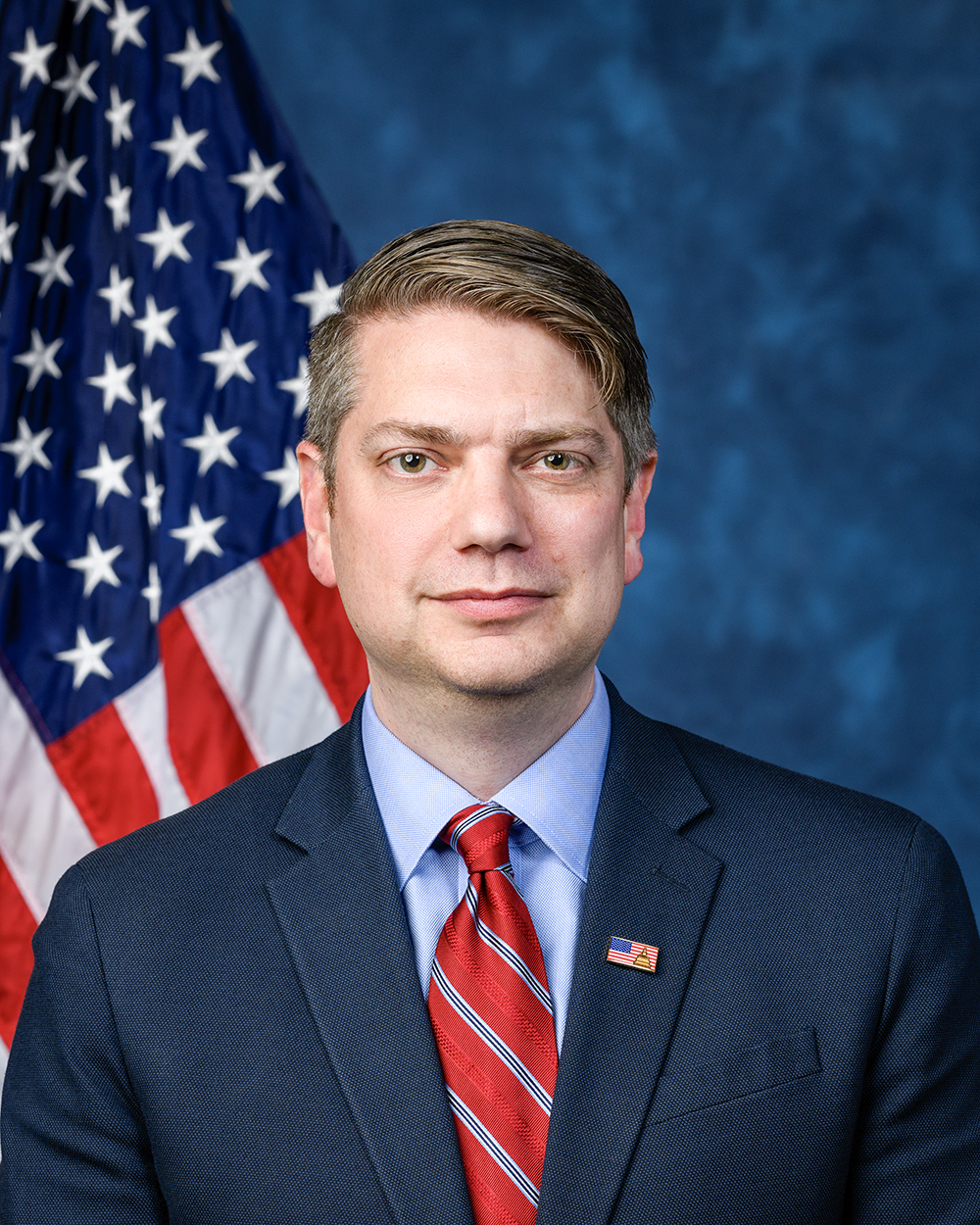
Rep. Nicholas J. Begich III
Sponsored bills
Maddy summaryHR 4398, the Veteran Burial Timeliness and Death Certificate Accountability Act, requires Veterans Affairs (VA) physicians or nurse practitioners to certify the death of a veteran who dies of natural causes within 48 hours of learning of the death. This directly affects veterans' families, who previously faced delays of up to eight weeks in burial and access to survivor benefits due to slow death certifications. The bill mandates annual reports to Congress on VA compliance with the 48-hour rule, including statistics on delays and their causes. The key change is establishing a strict timeline for death certification to prevent unnecessary delays in honoring veterans' final arrangements.
Maddy summaryThe FISH Act of 2026 establishes a federal list of foreign vessels and their owners engaged in illegal, unreported, or unregulated fishing or forced labor, requiring the Secretary of Commerce to maintain this public registry with specific details about each entry. To enforce this list, the bill mandates that foreign owners or beneficial owners of listed vessels be denied U.S. visas and have any existing entry documentation revoked, while also directing the Coast Guard to increase patrols and boardings of suspected violators on the high seas. The legislation further requires the creation of strategies to identify seafood linked to forced labor, mandates regular reports on enforcement actions and the economic impacts of illegal fishing, and authorizes funding to support international efforts to combat these practices.
Maddy summaryThis bill directs the Director of the Office of Science and Technology Policy to create a prize competition program designed to accelerate artificial intelligence research and development in the United States. The program will focus on specific challenges such as improving computing hardware, enhancing AI safety, advancing manufacturing, and securing critical infrastructure, with priorities set in consultation with industry and academia. Federal agencies like the Department of Commerce and the National Science Foundation are authorized to run these competitions, which must be conducted entirely within the U.S. and include clear problem statements and success metrics for participants. Additionally, the bill requires the Government Accountability Office to conduct studies evaluating the effectiveness of prize competitions compared to traditional grants and contracts. All programs established under this bill are set to expire five years after the law is enacted, with regular reports submitted to Congress on their progress and results.
Maddy summaryHR 5351, the NSF AI Education Act of 2025, creates new funding mechanisms to expand artificial intelligence education. It authorizes scholarships and fellowships covering tuition, fees, and stipends for undergraduate and graduate students in AI-related fields, with priority for programs teaching AI in K-12 schools, advanced manufacturing, and agriculture. The bill also establishes up to eight regional "Centers of AI Excellence" at community colleges and career schools to develop AI curricula, build industry partnerships, and create student job pathways. Additionally, it funds research grants to develop K-12 AI teaching materials and supports professional development for educators and industry professionals to integrate AI into classrooms.
Maddy summaryThis bill authorizes the presentation of Congressional Gold Medals to the four crew members of the Artemis II mission to recognize their historic achievement in advancing human space exploration. The legislation directs the Speaker of the House and the President pro tempore of the Senate to arrange for the medals, which will feature the faces of the astronauts and be struck by the Secretary of the Treasury. In addition to the gold medals, the bill permits the minting and sale of duplicate bronze versions to help cover production costs, with any proceeds returned to the United States Mint Public Enterprise Fund.
Maddy summaryThis bill redesignates the existing National Parks and Public Land Legacy Restoration Fund as the America's Legacy Restoration Fund to address deferred maintenance on federal lands. It directs revenue from recreation fees and a portion of energy development income into the fund, which must be used primarily for repairing critical infrastructure like roads, trails, and buildings managed by agencies such as the National Park Service and the Forest Service. The legislation establishes strict rules requiring that most funds go toward non-transportation projects, mandates transparency through public dashboards tracking project status, and sets aside a small percentage for matching private donations. Additionally, the bill increases entrance fees for foreign visitors to ensure they contribute to the fund, while prohibiting the use of these specific funds for land acquisition or employee bonuses.
Maddy summaryThe Disaster Loan Accountability and Reform Act (DLARA) requires the Small Business Administration (SBA) to improve transparency and accountability for disaster loans. It mandates monthly reports detailing loan funding status, new budget requests with historical cost comparisons, and strict limits on loan obligations when funds fall below 10% of a 10-year average. The bill also requires GAO and SBA Inspector General reviews of funding shortfalls, cost impacts of recent policy changes, and enhanced forecasting for disaster loan budgets. These provisions directly affect the SBA’s operations and its reporting to Congress, aiming to prevent future funding crises through better data and oversight.
Maddy summaryHR 2152, the AI PLAN Act, requires the Treasury, Homeland Security, and Commerce departments to create annual reports addressing AI risks in financial crimes. These reports must detail current defenses against AI-driven fraud, misinformation, deepfakes, voice cloning, and foreign election interference, plus list available and needed resources (like technology and funding) to protect U.S. financial systems. The bill directs agencies to submit legislative recommendations within 90 days of each report to help combat these threats. It primarily affects federal agencies and indirectly impacts businesses and individuals targeted by AI-powered financial crimes.
Repealing Big Brother Overreach Act This bill repeals the Corporate Transparency Act. The act requires existing companies and newly created companies to report beneficial ownership information to the Department of the Treasury’s Financial Crimes Enforcement Network for purposes of addressing the financing of terrorism and money laundering.