HR 4238 United States House · 119th Congress

DLARA

The Disaster Loan Accountability and Reform Act (DLARA) requires the Small Business Administration (SBA) to improve transparency and accountability for disaster loans. It mandates monthly reports detailing loan funding status, new budget requests with historical cost comparisons, and strict limits on loan obligations when funds fall below 10% of a 10-year average. The bill also requires GAO and SBA Inspector General reviews of funding shortfalls, cost impacts of recent policy changes, and enhanced forecasting for disaster loan budgets. These provisions directly affect the SBA’s operations and its reporting to Congress, aiming to prevent future funding crises through better data and oversight.
Bill status passed 3 of 5 stages cleared
Introduction
Jun 2025
Committee Review
Jun 2026
House Passage
Jun 2026
Senate Passage
President
Introduced Jun 27, 2025 Last action Jun 24, 2026
Maddy AI version diff · 1 comparison

What changed between versions

Introduced in House Engrossed in House · 5 edits · Jun 23, 2026
MODERATE
The engrossed version of HR 4238 makes three major substantive changes: it removes the SBA Inspector General review section entirely, strips out the authority for the SBA Administrator to limit disaster loan obligations to collateralized loans when funding runs low (keeping only a congressional notification requirement), and eliminates both the 4-year sunset provision and the GAO impact report that were attached to that limitation authority. The bill also tightens the official travel penalty from blocking obligation of existing funds to blocking new appropriations.
Scope change
The bill's oversight and enforcement scope narrowed significantly. The removal of the Inspector General review eliminates a targeted investigation into a specific funding shortfall incident, and the gutting of the low-funding limitation removes the SBA Administrator's ability to restrict lending to collateralized loans during budget shortfalls, leaving only a notification duty.
ENFORCEMENT

The entire SBA Inspector General review section (former Section 9) was deleted. This section had required the Inspector General to investigate the circumstances behind a disaster loan funding shortfall, including analysis of internal controls, the impact of administrative reorganization, and recommendations to prevent future shortfalls, with a report due within 180 days.

The official travel penalty for failing to submit required reports was changed from 'no funds may be obligated for official travel' (blocking use of already-appropriated money) to 'no funds are authorized to be appropriated for official travel' (blocking new funding entirely). This is a stronger restriction that prevents Congress from appropriating travel funds rather than merely freezing existing ones.

REQUIREMENT

The 'Requirements when funding is low' provision was drastically simplified. The original version gave the SBA Administrator authority to limit new loan obligations to only those requiring collateral once funds dropped below 10 percent of the 10-year average cost, and required disbursement of remaining loans within 14 days after additional appropriations. The engrossed version removes all of that enforcement authority and retains only a requirement to notify congressional committees within 24 hours when the funding balance falls below that threshold.

TIMELINE

The 4-year sunset provision (former subsection (b)) that would have automatically struck the low-funding limitation paragraph from the Small Business Act was removed, along with the companion GAO impact report requirement (former subsection (c)).

SCOPE

The low-funding trigger language was changed from 'unobligated balance of amounts available' to 'balance of funds authorized to be appropriated,' which could represent a different calculation basis for when the 10 percent threshold is met.

Floor votes

How they voted

This bill passed the House by voice vote (no roll call recorded).
Full legislative history

Actions timeline

Total actions
14
Key actions
4
Committee
4
Amendments
2
Jun 23, 2026
Introduced
On motion to suspend the rules and pass the bill, as amended Agreed to by voice vote. (text: CR H4143-4144)
lower
Jun 23, 2026
Lower · Passed
Passed/agreed to in House: On motion to suspend the rules and pass the bill, as amended Agreed to by voice vote.
lower
Jun 23, 2026
Introduced
Mr. Williams (TX) moved to suspend the rules and pass the bill, as amended.
lower
Jun 11, 2026
Lower · Passed
Committee on the Budget discharged.
lower
Jun 11, 2026
Lower · Passed
Reported (Amended) by the Committee on Small Business. H. Rept. 119-695, Part I.
lower
May 20, 2026
Lower · Passed
Committee Consideration and Mark-up Session Held
lower
Jun 27, 2025
Committee
Referred to the Committee on Small Business, and in addition to the Committee on the Budget, for a period to be subsequently determined by the Speaker, in each case for consideration of such provisions as fall within the jurisdiction of the committee concerned.
lower
Jun 27, 2025
Introduced
Introduced in House
lower
1 primary · 19 co-sponsors

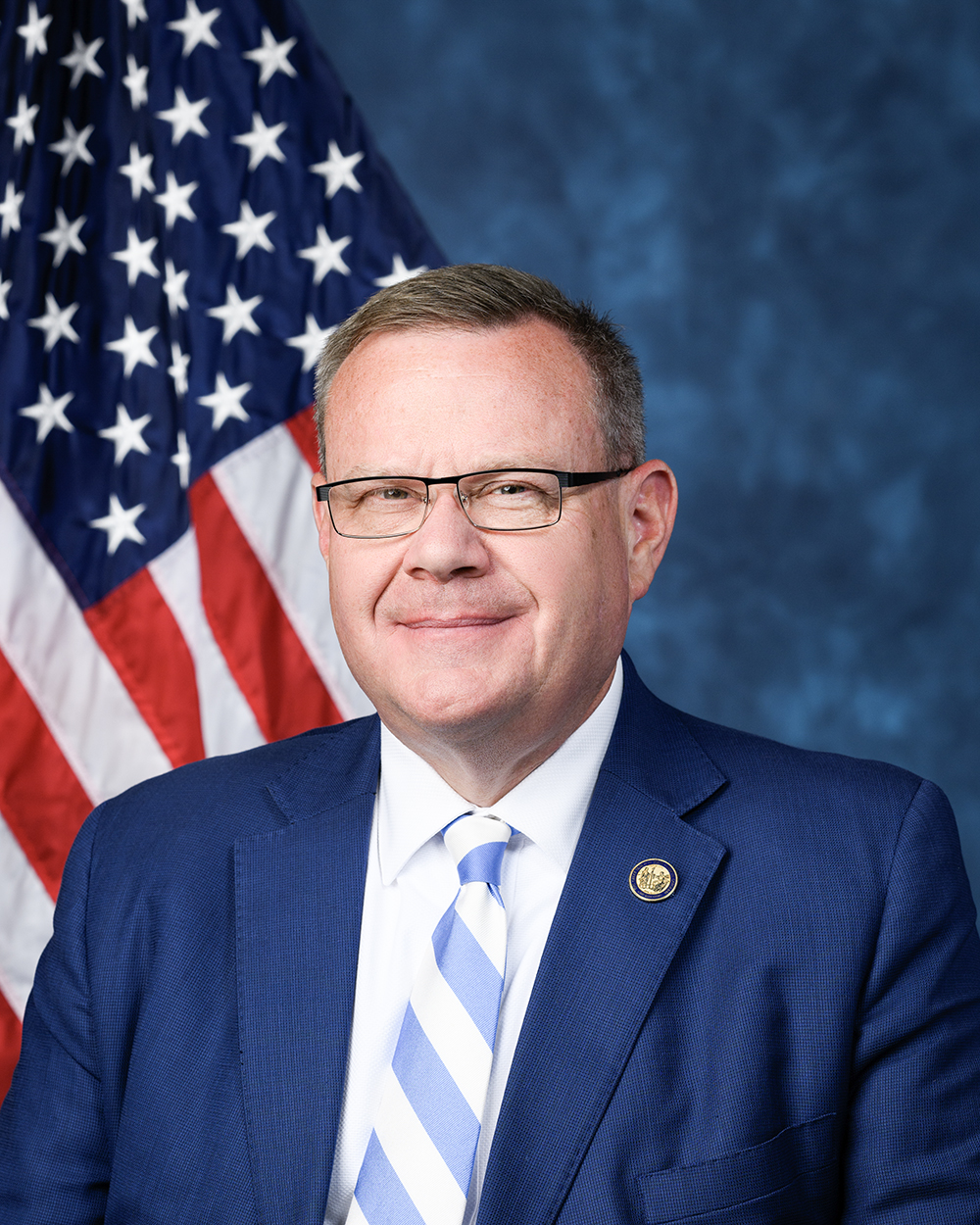
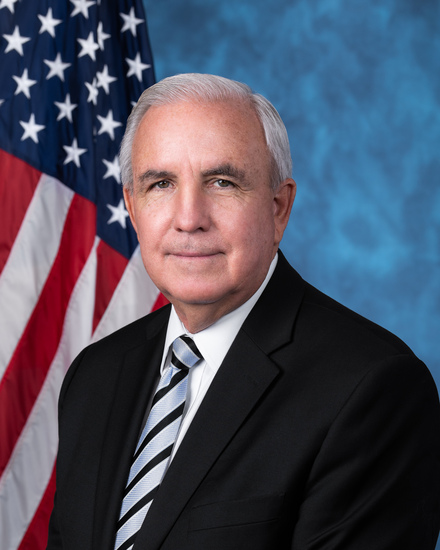
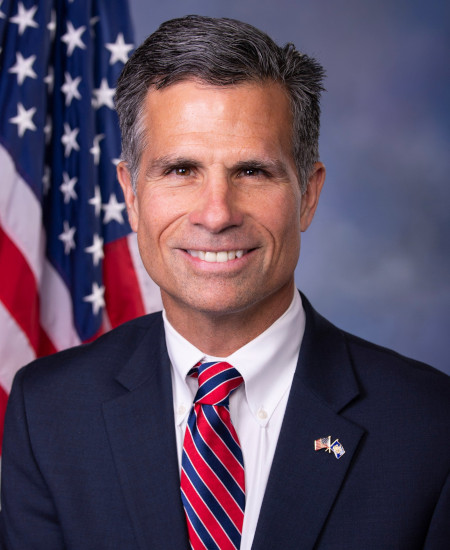
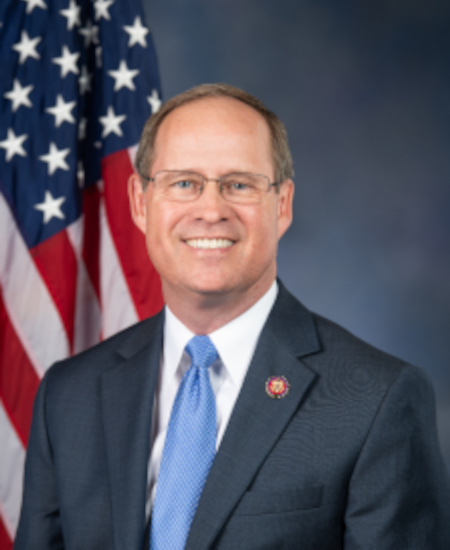
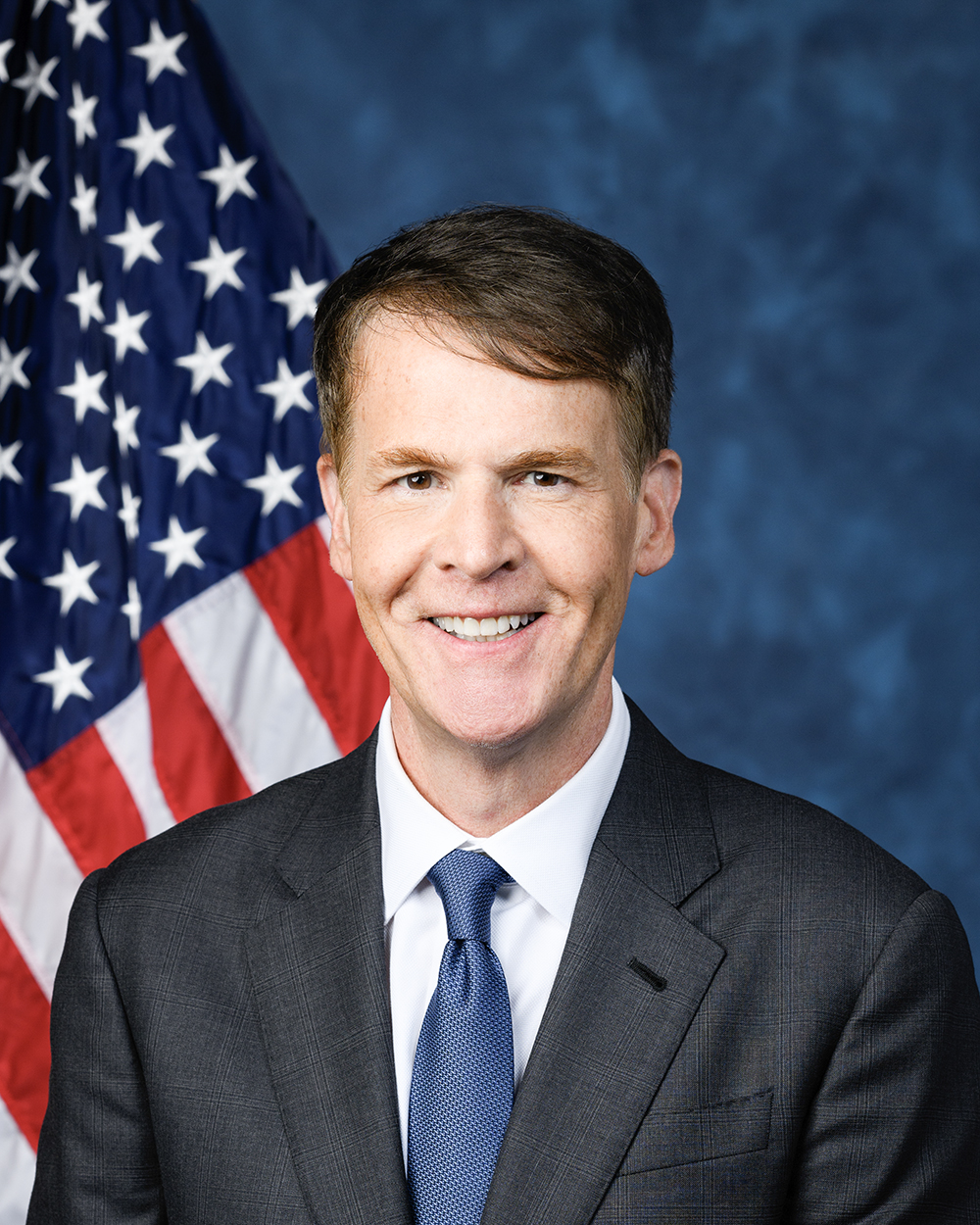
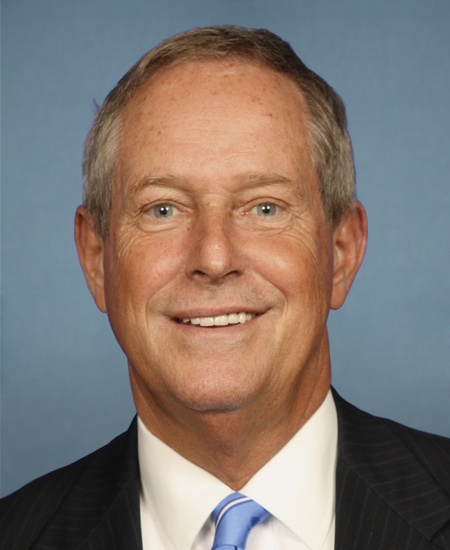
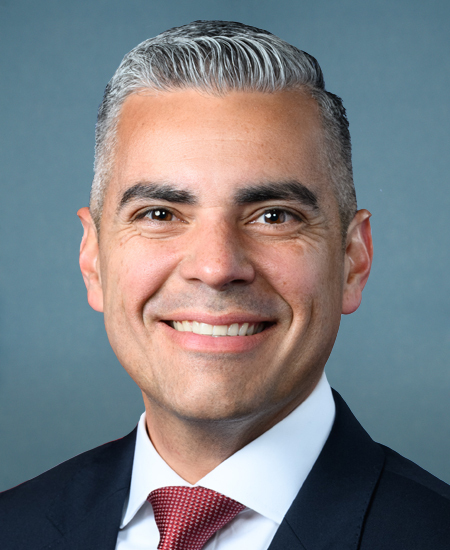
Sponsors