Issue · Veterans

Veterans

Every veterans bill, vote, and legislator stance in United States, automatically classified by Maddy, our AI policy reader.

Total bills
1,176
119th Congress
Top supporter
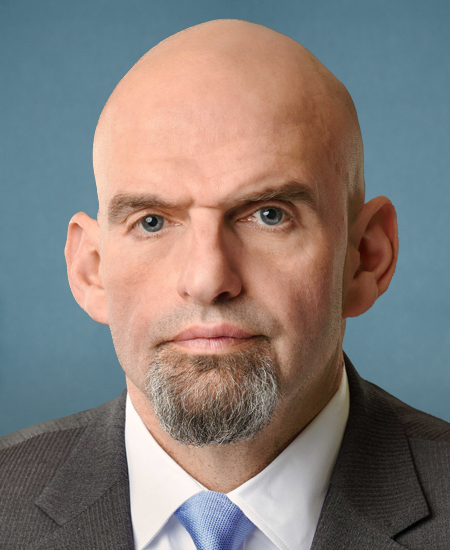
John Fetterman
88% support rate
Top opponent
Rand Paul
12% support rate
Ranked legislators
10
5 support · 5 oppose
Key legislators

Who's moving veterans in United States

Legislators moving veterans in United States
Legislator Party Stance Support rate Decisive votes
John Fetterman
John Fetterman Senate
D
Strong +
88% 40
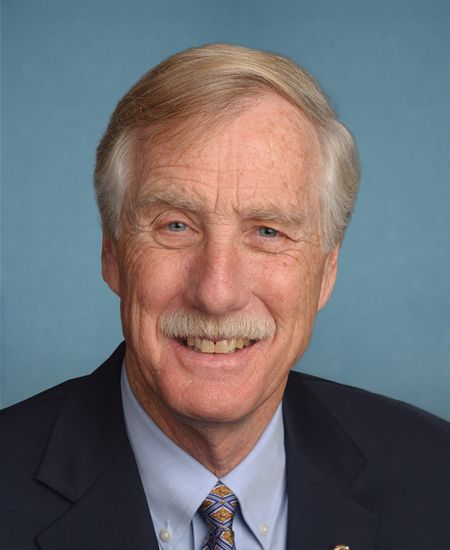
Angus S. King, Jr.
Angus S. King, Jr. Senate
I
Strong +
83% 42
Catherine Cortez Masto
Catherine Cortez Masto Senate
D
Strong +
83% 42
Clay Fuller
Clay Fuller House · District 14
R
Strong +
80% 10
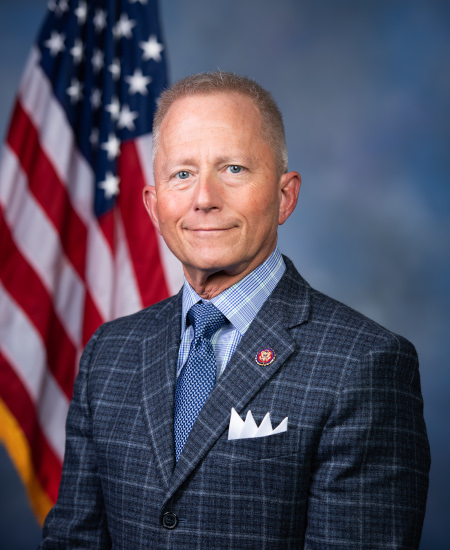
Jefferson Van Drew
Jefferson Van Drew House · District 2
R
Support
76% 17
Rand Paul
Rand Paul Senate
R
Strong −
12% 42
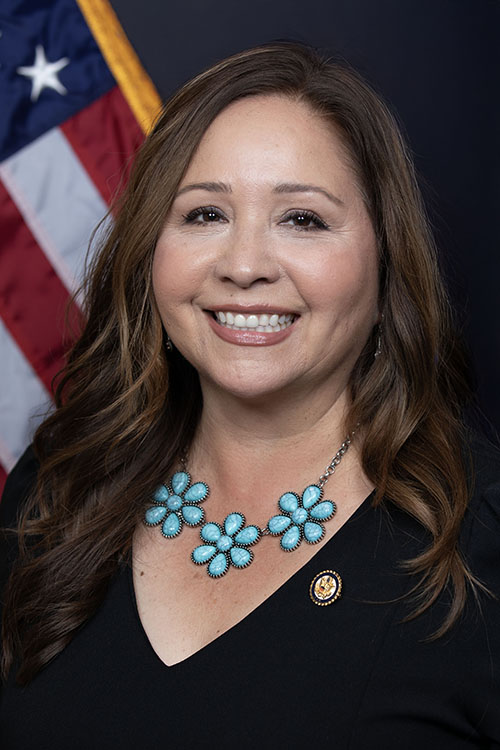
Adelita S. Grijalva
Adelita S. Grijalva House · District 7
D
Strong −
18% 11
Analilia Mejia
Analilia Mejia House · District 11
D
Strong −
20% 10
Christian D. Menefee
Christian D. Menefee House · District 18
D
Strong −
20% 10
André Carson
André Carson House · District 7
D
Oppose
25% 16
Showing 871–880 of 1,176 bills

All veterans bills

in committee · United States · House Jan 29, 2026

HR 6960: Thomas M. Conway Veterans Access to Resources in the Workplace Act

This bill requires most employers (those with 50+ employees for 20+ weeks annually) to display a clear notice about veterans' benefits in visible workplace areas. The notice, developed by the Labor and Veterans Affairs Departments, includes the Veterans Crisis Line, how to apply for benefits, and state-specific veteran resources. Employers must post the notice starting one year after the bill's enactment, with the notice updated twice yearly and made available online. A 180-day information campaign will also inform employers about the requirement.
in committee · United States · House Mar 18, 2026

HR 6861: Consolidating Veteran Employment Services for Improved Performance Act

Consolidating Veteran Employment Services for Improved Performance Act This bill transfers specified programs from the jurisdiction of the Department of Labor to the Department of Veterans Affairs (VA) and establishes the Office of the Deputy Under Secretary for Veterans Economic Opportunity and Transition to implement such programs. Specifically, the bill transfers to the VA (1) job counseling, training, and placement services for veterans, (2) federal government employment services for veterans, (3) administration of employment and reemployment rights of members of the uniformed services, and (4) homeless veterans reintegration programs. The VA must include funding requests for such programs in its budget request for FY2028 and each subsequent year. The transfer of such programs does not affect any suits, proceedings or applications for benefits, services, licenses, permits, certificates, or financial assistance that are pending on the date of the enactment of this bill. The Office of Management and Budget is authorized to determine the functions (e.g., duties) that are transferred under this bill, and may make additional incidental dispositions of personnel, assets, liabilities, grants, contracts, property, records, and unexpended balances as may be necessary to implement this bill. The bill also (1) modifies state responsibilities regarding the employment of full or part-time veterans’ employment specialists (currently known as veteran employment representatives), and (2) expands the purpose and responsibilities of such specialists. The VA and Labor must jointly conduct a study and report on the implementation of the transfer of programs and functions and amendments made by this bill.
in committee · United States · House Jul 18, 2025

HR 4480: Improving Disaster Assistance for Veterans Act

HR 4480, the Improving Disaster Assistance for Veterans Act, creates a dedicated "Veterans Advocate" position within FEMA. This advocate would specifically ensure veterans' needs are addressed during disaster declarations and emergency responses, serving as the main contact between FEMA and veterans' organizations. The bill requires the advocate to participate in declaration processes, identify veteran recruitment opportunities within FEMA, and conduct other activities to improve veterans' access to disaster assistance. The legislation does not expand existing disaster assistance funding or eligibility but aims to improve how current programs serve veterans.
Sub-Topics Veteran Benefits Veteran Healthcare Veteran Housing Tags Emergency Management
in committee · United States · House Apr 4, 2025

HR 2102: Major Richard Star Act

This bill, HR 2102 (Major Richard Star Act), allows veterans with combat-related disabilities to receive both full military retired pay and veterans' disability compensation simultaneously, without the previous offset that reduced retired pay. It directly affects veterans already eligible for both benefits due to combat-related injuries, removing the requirement that their retired pay be reduced by the disability compensation amount. The key provision amends Title 10 and Title 38 to eliminate the offset rule (sections 5304 and 5305 of Title 38) for these veterans. The change applies to payments starting after the bill’s enactment date, effective for all qualifying veterans. This is a policy change to increase financial support for affected veterans, not a new benefit.
in committee · United States · Senate Oct 9, 2025

S 2996: Hiring Preference for Veterans and Americans With Disabilities Act

This bill allows states and local jurisdictions to give hiring preference to veterans and individuals with disabilities when recruiting election workers. It defines "individual with a disability" as someone whose impairment substantially limits major life activities. The bill also requires jurisdictions to give preference to nonresident military spouses or dependents (as defined by federal law) and prohibits rejecting them solely due to lack of residency in the state or locality. These provisions apply specifically to election worker positions and take effect upon the bill's enactment.
Sub-Topics Memorials & Recognition Veteran Employment Veteran Healthcare Tags Elections People with Disabilities
in committee · United States · House Feb 26, 2025

HR 1637: Protect Veteran Jobs Act

HR 1637, the Protect Veteran Jobs Act, allows veterans who were involuntarily dismissed without cause from federal civil service positions between January 20, 2025, and the bill’s enactment date to seek reinstatement to their former role or a qualified position. It directly affects eligible veterans dismissed during this period and requires federal agencies to report quarterly on veteran removals, including the number and reasons for each dismissal. Agencies must submit these reports to specified congressional committees until January 20, 2029, when the reporting requirement ends. The bill aims to restore employment opportunities for affected veterans while increasing transparency around federal hiring and dismissal practices.
in committee · United States · House Feb 12, 2025

HR 1242: Hire Veterans Act

HR 1242, the "Hire Veterans Act," creates a 5-year pilot program to help veterans secure jobs with five federal land management agencies: the Forest Service, National Park Service, Fish and Wildlife Service, Bureau of Land Management, and Bureau of Reclamation. The bill requires these agencies to administer tests assessing veterans' strengths in 20 specific career fields (like firefighting, ecology, land management, and engineering) and refer qualified veterans for noncompetitive appointments. Veterans who don't initially qualify must complete agency training and retake the test until they meet requirements. The program aims to streamline hiring for veterans with relevant skills while providing pathways for those needing additional preparation.
in committee · United States · House Mar 4, 2025

HR 874: To amend title 38, United States Code, to modify the rate of pay for care or services provided under the Community Care Program of the Department of Veterans Affairs based on the location at which such care or services were provided, and for other purposes.

HR 874 modifies how the VA pays for community care provided to veterans under its Community Care Program. It requires the VA to set location-specific payment rates for care delivered at specific facilities (like inpatient hospitals, outpatient departments, or physician offices), regardless of where the provider is headquartered. The bill also mandates that providers include a geographically specific national provider ID code in payment claims and directs the VA to pay the lowest applicable rate if multiple rates apply. These changes take effect January 1, 2026.
in committee · United States · House Sep 18, 2025

HRES 743: Supporting the designation of "Operation Enduring Freedom Day" to honor the service, sacrifice, and courage of the men and women who served in Operation Enduring Freedom, their families, and those who lost their lives or were wounded in the conflict.

HRES 743 is a symbolic resolution designating "Operation Enduring Freedom Day" to honor U.S. military personnel who served in Afghanistan (2001-2021), including those killed, wounded, or missing, along with their families. It does not create new laws or benefits but urges the public to observe an annual day of recognition through ceremonies and programs. The resolution specifically references the 20-year conflict following the 9/11 attacks, noting 1,926 military deaths and 20,752 wounded. It is a non-binding expression of gratitude from the House, not a policy change affecting any group.
in committee · United States · House Feb 18, 2025

HR 1411: No Veteran Should Go Hungry Act of 2025

HR 1411, the "No Veteran Should Go Hungry Act of 2025," requires the military's Transition Assistance Program (TAP) to provide veterans with information and counseling about federal food assistance programs. Specifically, it mandates that TAP include details on the Supplemental Nutrition Assistance Program (SNAP) and the Women, Infants, and Children (WIC) program, developed in consultation with the Secretary of Agriculture. This change directly affects transitioning veterans by connecting them to existing nutrition support resources during their military-to-civilian transition. The bill does not create new benefits but ensures veterans receive clear guidance on accessing current federal food assistance programs.
Showing 871 to 880 of 1,176 bills
Previous 1 87 88 89 118 Next