Issue · Veterans

Veterans

Every veterans bill, vote, and legislator stance in United States, automatically classified by Maddy, our AI policy reader.

Total bills
1,176
119th Congress
Top supporter
John Fetterman
88% support rate
Top opponent
Rand Paul
12% support rate
Ranked legislators
10
5 support · 5 oppose
Key legislators

Who's moving veterans in United States

Legislators moving veterans in United States
Legislator Party Stance Support rate Decisive votes
John Fetterman
John Fetterman Senate
D
Strong +
88% 40
Angus S. King, Jr.
Angus S. King, Jr. Senate
I
Strong +
83% 42
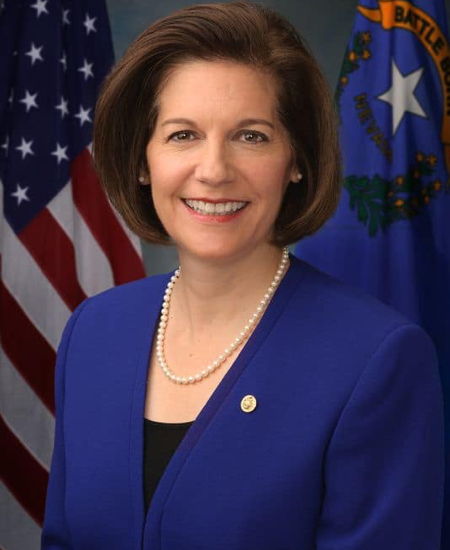
Catherine Cortez Masto
Catherine Cortez Masto Senate
D
Strong +
83% 42
Clay Fuller
Clay Fuller House · District 14
R
Strong +
80% 10
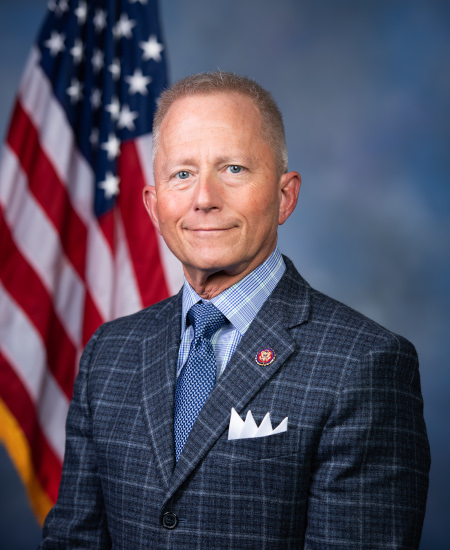
Jefferson Van Drew
Jefferson Van Drew House · District 2
R
Support
76% 17
Rand Paul
Rand Paul Senate
R
Strong −
12% 42
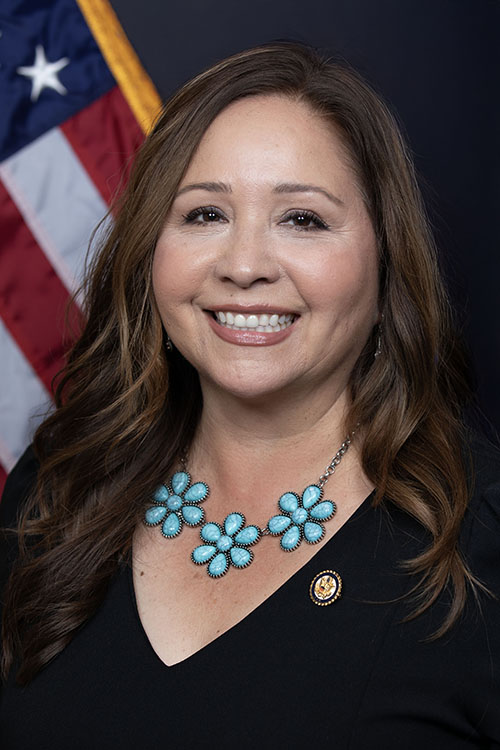
Adelita S. Grijalva
Adelita S. Grijalva House · District 7
D
Strong −
18% 11
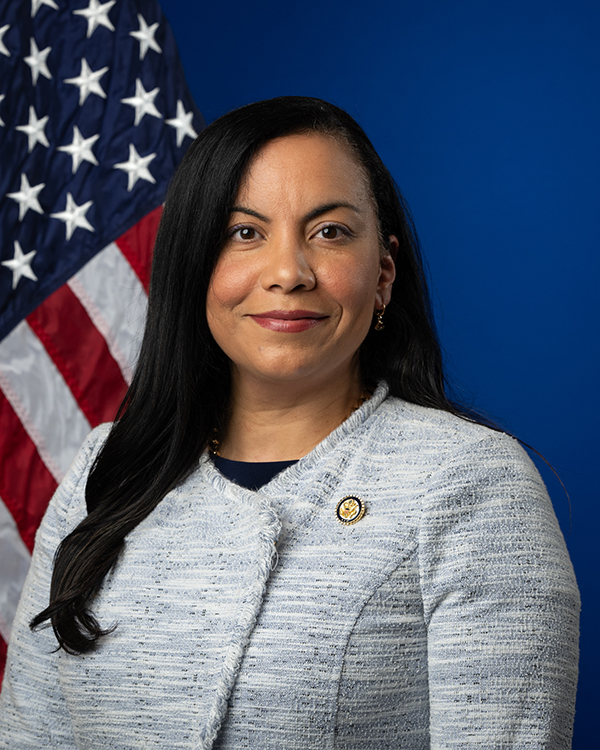
Analilia Mejia
Analilia Mejia House · District 11
D
Strong −
20% 10
Christian D. Menefee
Christian D. Menefee House · District 18
D
Strong −
20% 10
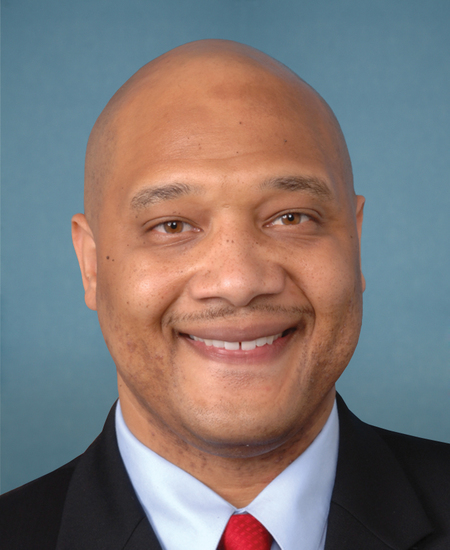
André Carson
André Carson House · District 7
D
Oppose
25% 16
Showing 861–870 of 1,176 bills

All veterans bills

in committee · United States · Senate Mar 27, 2025

S 1179: Las Cruces Bataan Memorial Clinic Act

S 1179, the Las Cruces Bataan Memorial Clinic Act, renames a Department of Veterans Affairs community-based outpatient clinic in Las Cruces, New Mexico, to the "Las Cruces Bataan Memorial Clinic" upon enactment. This bill directly affects the clinic's official designation and all federal references to it. The key provision updates all laws, regulations, maps, and documents to use the new name, ensuring consistent identification of the facility. This is a purely procedural change with no impact on healthcare services or funding.
in committee · United States · House Dec 3, 2025

HR 4077: GUARD Veterans’ Health Care Act

This bill requires Medicare Advantage and prescription drug plans to reimburse the Department of Veterans Affairs (VA) for health care services provided to veterans enrolled in those plans, including outpatient care, prescription drugs, and inpatient services. It establishes a new process for the VA to recover costs from Medicare plans, requiring these plans to respond to reimbursement claims within 45 days and face penalties for non-compliance, including triple damages for willful violations. The law modifies existing VA authority to recover costs for non-service-connected disabilities by clarifying recovery procedures and requiring Medicare plans to coordinate benefits with VA care. The provisions apply to Medicare plan years beginning January 1, 2026, and directly affect Medicare Advantage organizations and prescription drug plan sponsors that serve veterans. This policy change ensures veterans receive full benefits without double payments by requiring Medicare plans to reimburse the VA for services they cover.
in committee · United States · House Mar 26, 2025

HR 1344: Dennis and Lois Krisfalusy Act

This bill amends a provision of law governing eligibility for Department of Veterans Affairs headstones, markers, and burial receptacles. It removes a requirement that a veteran must have died on or after November 11, 1998, to qualify for these burial benefits. By eliminating this date cutoff, the bill expands eligibility to veterans who died before that date. This change would directly affect veterans who died prior to November 11, 1998, and their families, allowing them to receive these burial benefits.
passed both · United States · Senate May 8, 2025

SCONRES 12: A concurrent resolution authorizing the use of Emancipation Hall in the Capitol Visitor Center for a ceremony to present the Congressional Gold Medal, collectively, to the United States Army Rangers Veterans of World War II.

This bill authorizes the use of Emancipation Hall in the Capitol Visitor Center for a ceremony on June 26, 2025, to present the Congressional Gold Medal to the United States Army Rangers Veterans of World War II. The medal was awarded to these veterans under the United States Army Rangers Veterans of World War II Act (Public Law 117-132). The resolution requires that all physical preparations for the event follow conditions set by the Architect of the Capitol. As a procedural resolution, it does not create new law but enables a ceremonial event honoring these veterans.
in committee · United States · House Feb 4, 2026

HR 7009: Home Affordability for Guard and Reserve Act

This bill expands eligibility for VA home loans to certain reserve component members and National Guard personnel who previously did not qualify as veterans. It creates a new category for individuals with at least 14 days of qualifying service (including inactive duty training, annual training, or full-time National Guard duty) who complete entry-level training. These members gain access to guaranteed home loans but must pay an additional 1% loan fee. The VA must notify qualifying members after they finish training, and the changes apply retroactively to service since September 11, 2001.
in committee · United States · Senate Nov 6, 2025

S 3139: VA Zero Suicide Demonstration Project Act of 2025

This bill establishes a 5-year pilot program at five Department of Veterans Affairs (VA) medical centers to reduce veteran suicides through evidence-based suicide care improvements. The program requires participating VA staff to complete 10 weeks of training on suicide screening, assessment, safety planning, and care transitions, using the Zero Suicide Institute's curriculum. The VA must annually report on key metrics like suicide screenings, referrals, and outcomes compared to other VA centers, with a final evaluation determining if the program should expand or become permanent. The pilot directly affects veterans receiving care at the selected sites and VA staff implementing these new protocols.
in committee · United States · House Nov 10, 2025

HR 5994: Every Veteran Counts Act of 2025

The Every Veteran Counts Act of 2025 requires the Department of Veterans Affairs (VA) to create and maintain a publicly accessible database of detailed demographic data about veterans. This includes collecting and anonymizing information on gender identity, sexual orientation, race, income, housing, military service history, and other factors - broken down into specific categories like transgender, nonbinary, or veteran exposure to environmental hazards. The VA must update this database annually on a public website and submit a report to Congress within one year on its data strategy implementation. The bill directly affects all 19+ million living veterans by standardizing how the VA gathers and shares demographic insights to inform policy.
in committee · United States · Senate Dec 8, 2025

S 3388: SERVE Act

The SERVE Act requires the Department of Defense (DoD) and Veterans Affairs (VA) to create facility-specific action plans improving coordination between military and VA medical systems. These plans mandate cross-credentialing doctors to work across both systems, designated coordinators at each facility, and integrated IT systems for seamless medical records sharing. The law directly affects enrolled VA patients living near military medical facilities with unused capacity, aiming to increase their access to care at those locations. It includes annual reporting to Congress on implementation progress, patient safety, and costs, with the law set to expire in 2028.
in committee · United States · Senate Jun 3, 2025

S 1932: VALID Act of 2025

This bill requires lenders to include VA loan options in standard mortgage disclosures when discussing loan choices, alongside other options like FHA loans. It mandates adding a military service question to the Uniform Residential Loan Application form, positioned above the signature line. The change applies to all lenders using this standard form, ensuring veterans are identified early in the application process. The bill does not alter VA loan benefits but improves transparency about available options for military borrowers.
in committee · United States · House Jan 22, 2026

HR 6858: Veteran Suicide Prevention Act

The Veteran Suicide Prevention Act requires the Department of Veterans Affairs (VA) to conduct a comprehensive review of all veterans who died by suicide during the five years before the bill's enactment. The review must analyze demographics, medication history (including black box warnings and psychotropic drugs), prescribing patterns, combat trauma, and facility-specific suicide rates. The VA must submit a public report to Congress within 30 days of completing the review, detailing findings and recommendations to improve veteran safety. This applies to all veterans who received VA care during the relevant five-year period. The law aims to identify systemic patterns and inform future suicide prevention efforts.
Showing 861 to 870 of 1,176 bills
Previous 1 86 87 88 118 Next