Issue · Transportation

Transportation

Every transportation bill, vote, and legislator stance in United States, automatically classified by Maddy, our AI policy reader.

Total bills
857
119th Congress
Top supporter
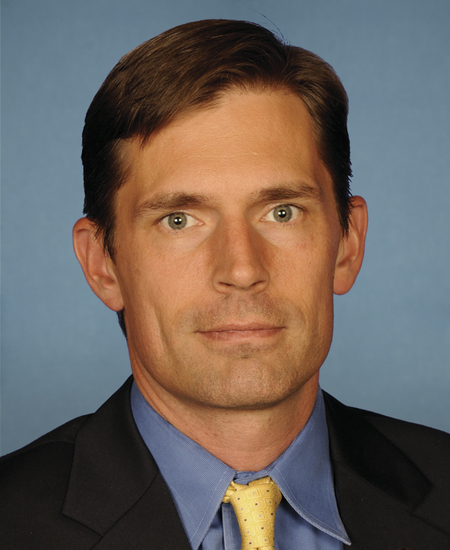
Martin Heinrich
78% support rate
Top opponent
Marsha Blackburn
22% support rate
Ranked legislators
10
5 support · 5 oppose
Key legislators

Who's moving transportation in United States

Legislators moving transportation in United States
Legislator Party Stance Support rate Decisive votes
Martin Heinrich
Martin Heinrich Senate
D
Support
78% 9
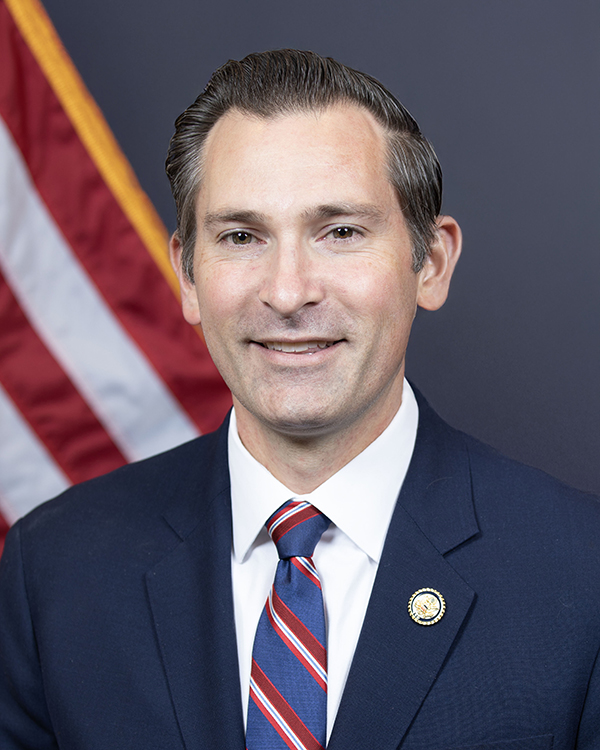
Matt Van Epps
Matt Van Epps House · District 7
R
Support
78% 9
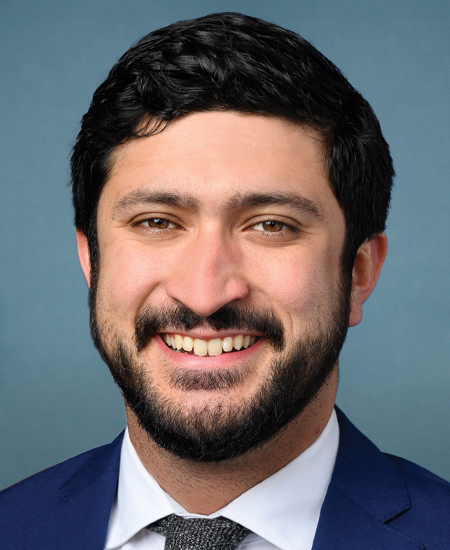
Greg Casar
Greg Casar House · District 35
D
Support
75% 12
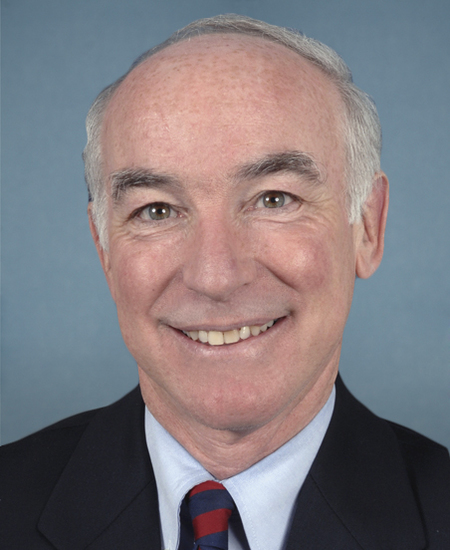
Joe Courtney
Joe Courtney House · District 2
D
Support
75% 12
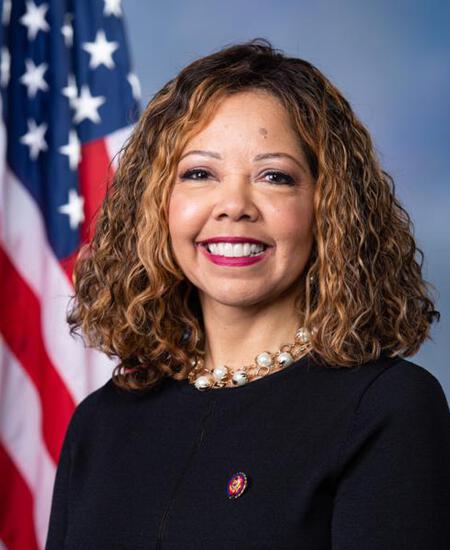
Lucy McBath
Lucy McBath House · District 6
D
Support
75% 12
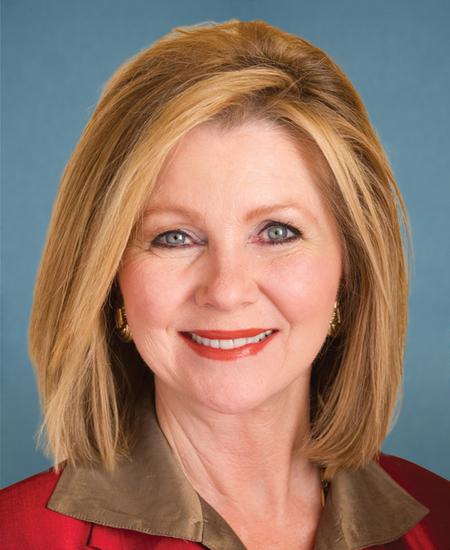
Marsha Blackburn
Marsha Blackburn Senate
R
Oppose
22% 9
Ted Budd
Ted Budd Senate
R
Oppose
25% 12
Mary E. Miller
Mary E. Miller House · District 15
R
Oppose
29% 14
Wesley Hunt
Wesley Hunt House · District 38
R
Oppose
30% 10
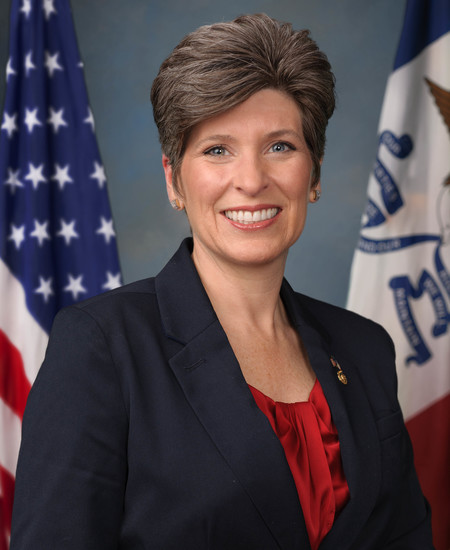
Joni Ernst
Joni Ernst Senate
R
Oppose
31% 26
Showing 541–550 of 857 bills

All transportation bills

in committee · United States · Senate May 12, 2025

S 1711: STOP China Act

The STOP China Act prohibits federal funding for the procurement of certain vehicles (including buses) or related infrastructure from companies tied to China. It bans U.S. government contracts using "covered funding" for vehicles made by "covered entities" - defined as companies headquartered in China, controlled by China, or linked to Chinese state-owned entities, particularly those producing electric powertrains. The U.S. Trade Representative must publish and update a public list of these prohibited companies within 30 days of enactment, with quarterly updates initially. Exceptions allow funding for vehicle safety testing, investigations, and research, but the law directly affects federal transportation agencies, contractors, and companies with significant Chinese ownership or control.
Sub-Topics Public Transit Rail
in committee · United States · House Mar 10, 2025

HR 2011: Sarah Debbink Langenkamp Active Transportation Safety Act

This bill increases federal funding for projects improving safety for pedestrians and cyclists. It allows states and local governments to use highway funds for connecting existing bike/pedestrian infrastructure (clause xxix) or reducing safety risks to vulnerable road users (clause xxx), with federal funding covering up to 100% of costs for these projects. The bill also creates flexible financing options, letting local safety plans (like Complete Streets or Vision Zero plans) count toward required local funding shares. It directly affects state transportation agencies and local governments administering federal highway safety programs. The key change is making 100% federal funding available for qualifying pedestrian and cyclist safety projects.
in committee · United States · House Dec 1, 2025

HR 5563: DRIVE-SAFE Act

HR 5563, the DRIVE-SAFE Act, creates a structured apprenticeship program for commercial drivers under age 21. It requires employers to provide a two-phase training program: a 120-hour probationary period focused on basic driving skills (like traffic navigation and safety awareness), followed by a 280-hour period covering advanced tasks (such as pre-trip inspections and load management). During both phases, apprentices must operate vehicles equipped with automatic transmissions, collision mitigation systems, and video capture, and must be accompanied by an experienced driver (26+ years old with no recent accidents or violations). The bill does not change existing commercial driver’s license requirements and mandates employers to maintain records and provide remediation for preventable accidents or violations during training.
in committee · United States · Senate Jan 29, 2026

S 3742: AV Safety Data Act

The AV Safety Data Act requires autonomous vehicle manufacturers and operators (covered entities) to report detailed safety data to the National Highway Traffic Safety Administration (NHTSA). Specifically, they must submit monthly reports on miles traveled by their vehicles (broken down by vehicle type, location, and software version) and document incidents like collisions involving vulnerable road users or unplanned stoppages that disrupt traffic. The data, including event details and resolution times, becomes publicly available 120 days after the law takes effect. This bill directly affects companies producing or operating autonomous vehicles with Level 2 ADAS or Automated Driving Systems, focusing on transparency rather than altering safety standards.
in committee · United States · Senate Feb 24, 2025

S 697: Air Traffic Control Workforce Development Act of 2025

S 697 establishes the Air Traffic Control Workforce Development Act of 2025 to strengthen training and retention for air traffic controllers. It creates a $20 million annual grant program (2026-2031) for colleges to develop enhanced curriculum, faculty support, and equipment for the Collegiate Training Initiative (CTI), directly benefiting institutions and future controllers. The bill also mandates a committee to modernize CTI curricula and the Air Traffic Skills Assessment exam, while adding retention bonuses for certified controllers. Additionally, it requires new mental health training for controllers and aviation medical examiners, and a report on airport radar systems. These changes aim to improve workforce pipeline efficiency and controller well-being.
in committee · United States · House Feb 1, 2025

HR 891: Pro-Housing Act of 2025

HR 891, the Pro-Housing Act of 2025, provides federal grants and low-cost loans to states, cities, and tribes to develop and implement local housing plans. It requires recipients to address housing supply, affordability, and accessibility for all income levels while avoiding displacement of current residents, with priority given to plans that improve transit-accessible housing near job centers. The bill allocates $200 million annually for 2026-2031, mandates 20% of funds for rural or exurban areas, and includes a pilot program to transfer unused federal property for affordable housing development. It also requires annual reports on progress and a 5-year study to evaluate the program's impact on housing supply and affordability.
Sub-Topics Affordable Housing Land Use Zoning Tags Rural Communities
in committee · United States · House Sep 16, 2025

HR 5377: Rural Health Training Opportunities Act

This bill prioritizes rural health workforce development by requiring federal grants for training programs to give preference to projects serving rural communities (where participants live, projects are held, or employer partners are located). It mandates that all funded projects include a transportation assistance plan, offering referrals to subsidized programs or direct payments for transit or vehicle costs when public transit isn't accessible. The bill also requires annual reports to Congress assessing how effectively these programs address rural health workforce shortages. These changes aim to improve access to health careers in underserved rural areas starting October 1, 2025.
Sub-Topics Healthcare Workforce Primary Care Public Transit Tags Rural Communities
in committee · United States · House Feb 26, 2026

HR 7679: CAR SEAT Act

The CAR SEAT Act requires the Transportation Secretary to launch a public education campaign within one year of enactment, focusing on the dangers of noncompliant or counterfeit car seats and boosters that don't meet federal safety standards (49 CFR §§ 571.213 and 571.213b). It authorizes $1.5 million for this campaign to help caregivers identify unsafe products. The bill also amends highway safety programs to include education about unsafe child restraints as part of public information efforts, specifically targeting underserved communities. This law directly affects parents and caregivers of young children who purchase or use car seats, aiming to improve awareness of safety risks through education, not new regulations.
Sub-Topics Roads & Highways
in committee · United States · House Dec 1, 2025

HR 5570: Rail Passenger Fairness Act

HR 5570, the Rail Passenger Fairness Act, allows Amtrak to directly sue host railroads in federal court to enforce its statutory right to priority over freight trains on shared rail networks. This bill amends existing law (49 U.S.C. § 24308(c)) to give Amtrak, not just the Attorney General, the legal right to seek court orders ensuring passenger trains receive priority as required by the 1973 Amtrak Improvement Act. The key provision removes the sole reliance on the Attorney General for enforcement - a mechanism used only once since Amtrak's founding - and enables Amtrak to pursue legal action directly. This change aims to address chronic delays caused by host railroads prioritizing freight, which contributed to over 3.2 million minutes of passenger train delays in 2019. The bill focuses solely on altering the enforcement mechanism, not on prescribing new service standards or funding.
Sub-Topics Freight Rail
in committee · United States · House Feb 1, 2025

HR 898: Aviation Noise and Emissions Mitigation Act

HR 898 establishes two grant programs to address aviation noise and pollution impacts on communities near airports. First, it creates a 3-year EPA-funded research initiative (with $2.5-$5 million grants) to measure noise and emissions using advanced technology, producing neighborhood-level data to identify disproportionately affected areas. Second, it launches a mitigation grant program prioritizing communities identified in the research, funding projects like noise-reducing home retrofits, health services, and environmental programs for disadvantaged groups. The bill requires grantees to collaborate with local communities and report annually on services provided, demographic impacts, and how the work addresses environmental justice concerns.
Showing 541 to 550 of 857 bills
Previous 1 54 55 56 86 Next