Issue · Labor & Employment

Labor & Employment

Every labor & employment bill, vote, and legislator stance in United States, automatically classified by Maddy, our AI policy reader.

Total bills
1,564
119th Congress
Top supporter
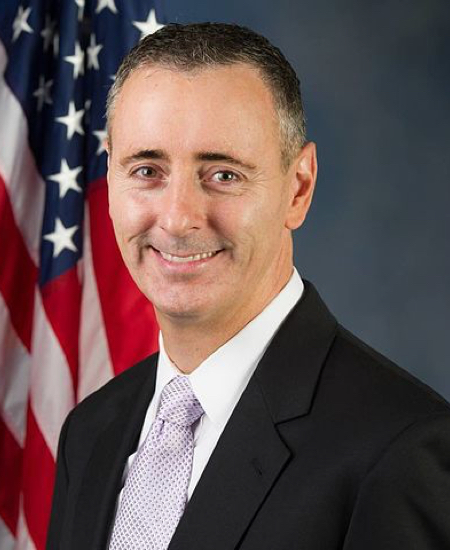
Brian K. Fitzpatrick
93% support rate
Top opponent
Bernard Sanders
27% support rate
Ranked legislators
10
5 support · 5 oppose
Key legislators

Who's moving labor & employment in United States

Legislators moving labor & employment in United States
Legislator Party Stance Support rate Decisive votes
Brian K. Fitzpatrick
Brian K. Fitzpatrick House · District 1
R
Strong +
93% 14
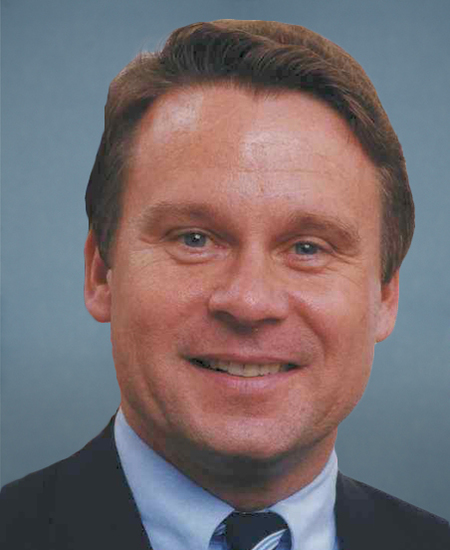
Christopher H. Smith
Christopher H. Smith House · District 4
R
Strong +
93% 14
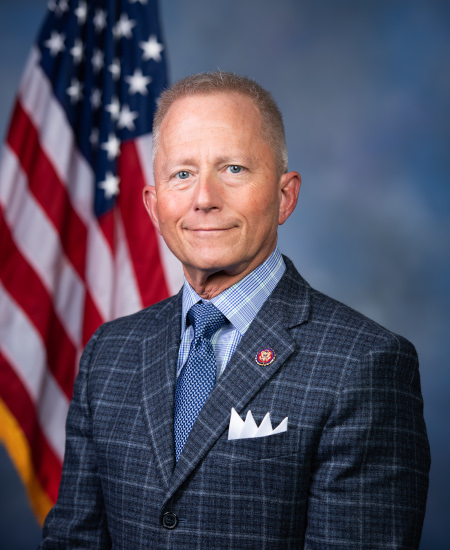
Jefferson Van Drew
Jefferson Van Drew House · District 2
R
Strong +
93% 14
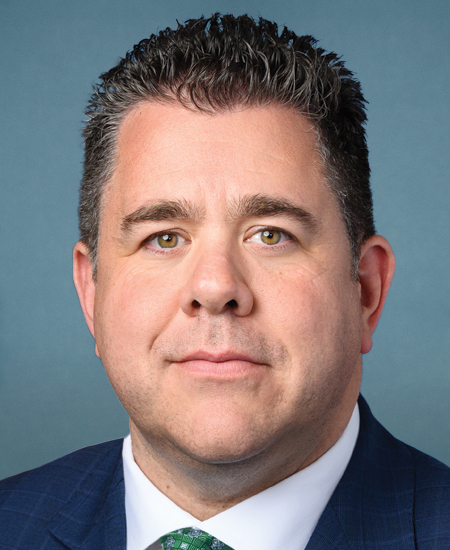
Nick LaLota
Nick LaLota House · District 1
R
Strong +
93% 14
Robert P. Bresnahan, Jr.
Robert P. Bresnahan, Jr. House · District 8
R
Strong +
93% 14
Bernard Sanders
Bernard Sanders Senate
I
Oppose
27% 11
Edward J. Markey
Edward J. Markey Senate
D
Oppose
27% 11
Elizabeth Warren
Elizabeth Warren Senate
D
Oppose
27% 11
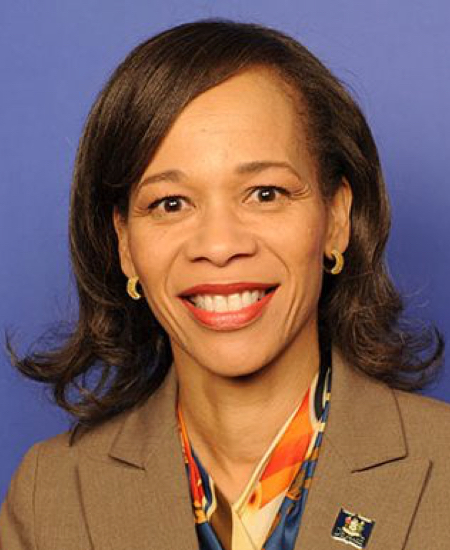
Lisa Blunt Rochester
Lisa Blunt Rochester Senate
D
Oppose
27% 11
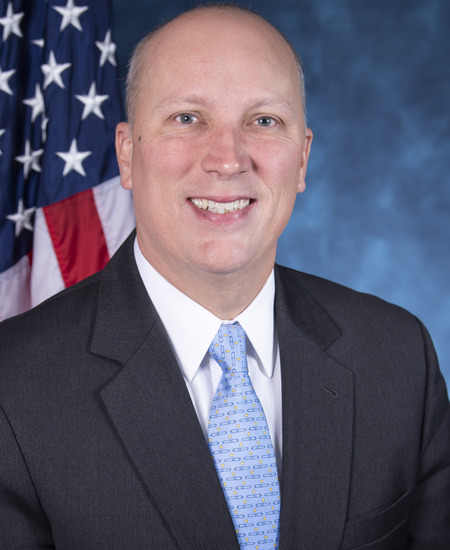
Chip Roy
Chip Roy House · District 21
R
Oppose
29% 14
Showing 1,031–1,040 of 1,564 bills

All labor & employment bills

in committee · United States · House May 8, 2025

HR 3274: Child Care Infrastructure Act

The Child Care Infrastructure Act (HR 3274) allocates $10 billion to improve safety and infrastructure at child care facilities, primarily benefiting providers serving low-income families, infants/toddlers, rural communities, and nontraditional-hour programs. It requires states to conduct needs assessments (including pandemic impacts on capacity and costs) and use grants for facility renovations, construction, or safety upgrades, with a 10% state match requirement. Intermediary organizations, such as community development groups, can also receive grants to provide technical assistance and financing for child care facilities. The bill mandates prevailing wage standards for construction work and requires annual reports on how improvements affect access, quality, and pandemic-related challenges, with final outcomes due by 2030.
Tags Children
in committee · United States · Senate Jul 31, 2025

S 2596: Saving the Forest Service's Workforce Act

S 2596, the "Saving the Forest Service's Workforce Act," prohibits the Forest Service from initiating layoffs or involuntary separations of most employees until after full-year funding for fiscal year 2026 is secured. It directly affects Forest Service employees in the competitive service, excepted service career roles, and Senior Executive Service positions by blocking most workforce reductions. The bill’s key provision creates a moratorium on layoffs, allowing separations only for cause (like misconduct or poor performance) under existing personnel laws. This applies until Congress passes the full 2026 budget, preventing potential workforce cuts during budget negotiations.
passed · United States · House Jul 21, 2026

HR 5578: Expanding Whistleblower Protections for Contractors Act of 2026

HR 5578 expands whistleblower protections for employees and contractors working with the U.S. Department of Defense (DoD) and National Aeronautics and Space Administration (NASA). It broadens the definition of "protected individual" to include state/local governments, tribal organizations, and intelligence community personnel working under federal contracts. Key changes prohibit retaliation for reporting gross mismanagement, waste, safety dangers, or violations of law, ban forced arbitration waivers that would override these rights, and require disciplinary action against officials who request retaliation. This applies specifically to DoD/NASA contractors under Section 4701 and extends similar protections to all federal contractors under Section 4712 of U.S. Code.
Sub-Topics Labor Standards
introduced · United States · Senate Nov 10, 2025

S 3168: Shutdown Fairness Act

The Shutdown Fairness Act guarantees standard pay for covered government workers and contractors during federal funding gaps. It directly affects federal employees, military personnel on active duty, and contractor staff who must work during a shutdown, ensuring they receive their regular compensation without regard to prior furloughs. The bill requires agencies to use emergency funds to pay covered employees within 7 days of enactment for the 2025-2026 shutdown period, and on regular pay schedules for future shutdowns. This applies retroactively from September 30, 2025, and limits funds strictly to pay, prohibiting reprogramming for other purposes.
Sub-Topics Labor Standards
in committee · United States · Senate Sep 16, 2025

S 2821: American Tech Workforce Act of 2025

S 2821, the American Tech Workforce Act of 2025, directly affects U.S. tech companies and foreign workers in H-1B visa and Optional Practical Training (OPT) programs. It terminates the OPT program (ending work authorization for international students after graduation) and raises the H-1B wage floor to $150,000 annually (adjusted for inflation), requiring employers to pay at least the wage of comparable U.S. workers. The bill also prohibits H-1B visas for work at third-party client sites unless the assignment is specific and continuous, and mandates prioritizing higher-paying H-1B petitions. These changes aim to reduce reliance on foreign labor at below-market wages in the tech sector.
in committee · United States · Senate Apr 3, 2025

S 1285: Building Child Care for a Better Future Act

The Building Child Care for a Better Future Act authorizes $20 billion annually for child care programs starting in 2026, with automatic annual increases based on inflation, and creates a new $5 billion annual grant program to improve child care workforce, supply, quality, and access in underserved communities. It requires states, territories, and tribes to identify areas with particular child care needs and prioritize services for low-income families, children with disabilities, rural areas, dual-language learners, and providers serving high proportions of eligible children. The bill mandates detailed reporting on how funds are used, including annual assessments of child care supply and quality improvements, and ensures federal funds supplement rather than replace existing state child care funding. This legislation directly affects states, tribes, child care providers, and families seeking affordable, high-quality child care in communities with limited access.
Tags Children
in committee · United States · Senate Jul 24, 2025

S 2458: Employee Ownership Financing Act

The Employee Ownership Financing Act establishes an Office of Employee Ownership within the Department of Labor to administer a new loan program supporting employee ownership. The program provides loans or loan guarantees to employee stock ownership plans (ESOPs) and worker-owned cooperatives to help companies become or remain at least 51% employee-owned, increase employee ownership, or expand operations while preserving jobs. Loans will have interest rates at or below market rates with up to 15 years to repay, and require business plans demonstrating employee ownership structures and meaningful employee involvement in company decisions. The bill also amends the Worker Adjustment and Retraining Notification Act to give employees the right of first refusal to purchase a plant or facility before a closure, and establishes an Advisory Council to advise on implementation.
in committee · United States · Senate Jul 21, 2025

S 2365: Small Nonprofit Retirement Security Act of 2025

This bill creates tax credits for small tax-exempt nonprofits (like charities, schools, and religious organizations) to help them start or maintain retirement plans for their employees. It provides two specific credits: one for covering initial setup costs of a pension plan and another for automatically enrolling employees in retirement savings. The credits reduce the employer’s payroll tax liability, capped at the amount of payroll tax paid during the year. The changes apply to taxable years beginning after December 2024.
in committee · United States · Senate May 14, 2025

S 1764: Ending Administrative Garnishment Act of 2025

This bill suspends the federal government's authority to garnish wages for student loan borrowers starting upon enactment, directly affecting individuals with federal student loans facing wage deductions. It requires the Secretary of Education to submit a certification within one year detailing either a process to fix improper garnishments (including refunds within a week, employer verification, and borrower data tracking) or a decision to end garnishment entirely. The bill mandates that borrowers receive double the amount of improperly garnished wages within 10 days and holds employers liable for withholding wages after a suspension notice. It also prohibits wage garnishment for loans outstanding over 10 years.
in committee · United States · Senate Feb 3, 2025

S 377: Students Helping Young Students Act of 2025

This bill amends the Higher Education Act to expand the Federal Work-Study program, allowing colleges to use funds for student-led after-school programs at public K-12 schools. It directly affects colleges participating in the work-study program and public elementary/secondary schools that partner with them. Key provisions require colleges to prioritize schools in low-income communities, cover student compensation (including training/travel) for these after-school activities, and allow federal funding to exceed 75% of costs. The Secretary must establish a registration process for schools within 180 days of enactment.
Showing 1,031 to 1,040 of 1,564 bills