Issue · Labor & Employment

Labor & Employment

Every labor & employment bill, vote, and legislator stance in United States, automatically classified by Maddy, our AI policy reader.

Total bills
1,409
119th Congress
Top supporter
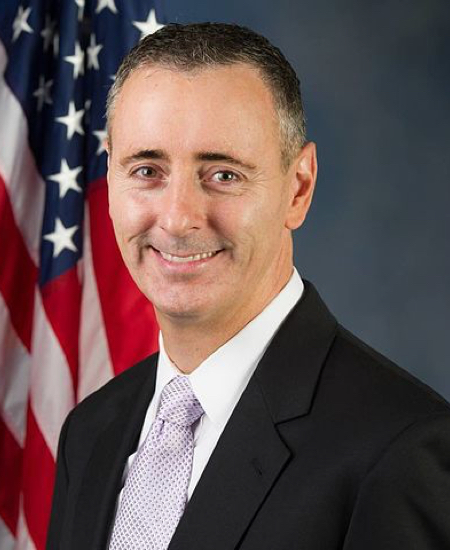
Brian K. Fitzpatrick
93% support rate
Top opponent
Bernard Sanders
27% support rate
Ranked legislators
10
5 support · 5 oppose
Key legislators

Who's moving labor & employment in United States

Legislators moving labor & employment in United States
Legislator Party Stance Support rate Decisive votes
Brian K. Fitzpatrick
Brian K. Fitzpatrick House · District 1
R
Strong +
93% 14
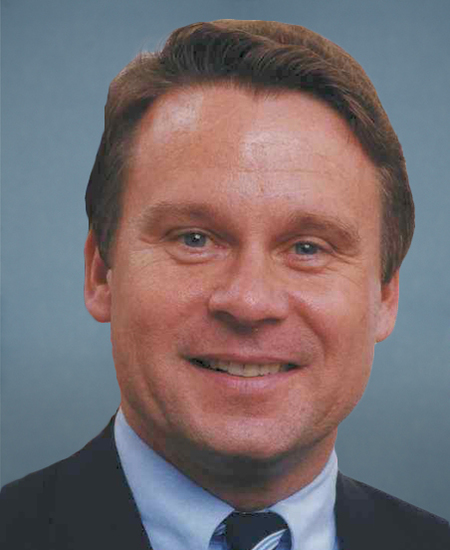
Christopher H. Smith
Christopher H. Smith House · District 4
R
Strong +
93% 14
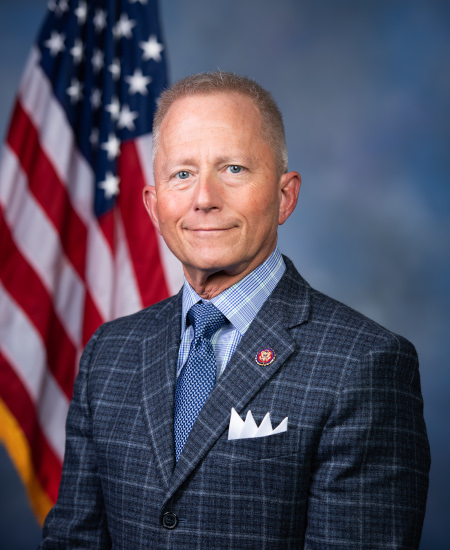
Jefferson Van Drew
Jefferson Van Drew House · District 2
R
Strong +
93% 14
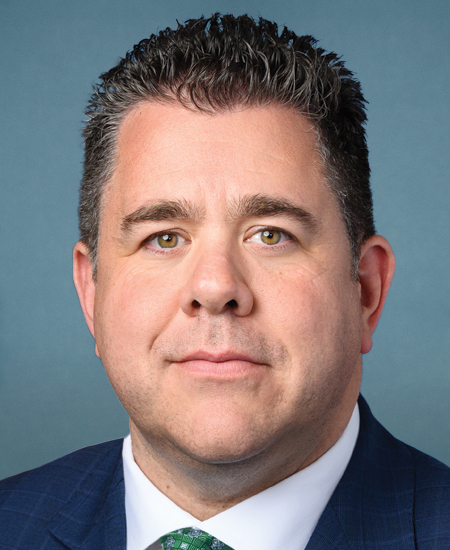
Nick LaLota
Nick LaLota House · District 1
R
Strong +
93% 14
Robert P. Bresnahan, Jr.
Robert P. Bresnahan, Jr. House · District 8
R
Strong +
93% 14
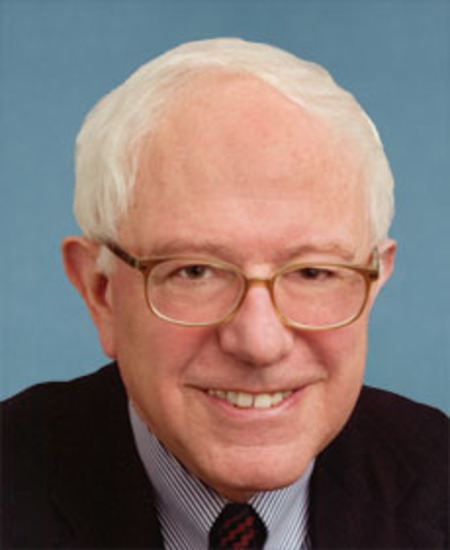
Bernard Sanders
Bernard Sanders Senate
I
Oppose
27% 11
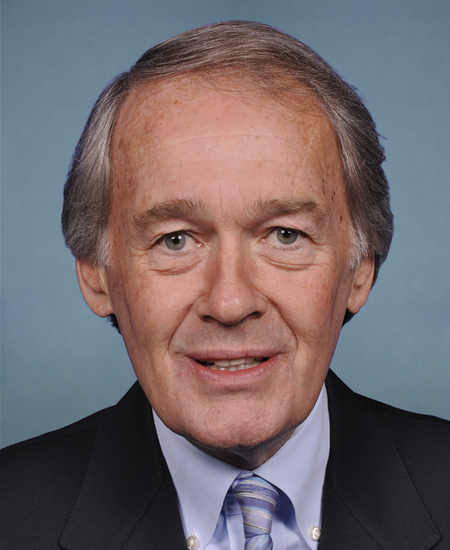
Edward J. Markey
Edward J. Markey Senate
D
Oppose
27% 11
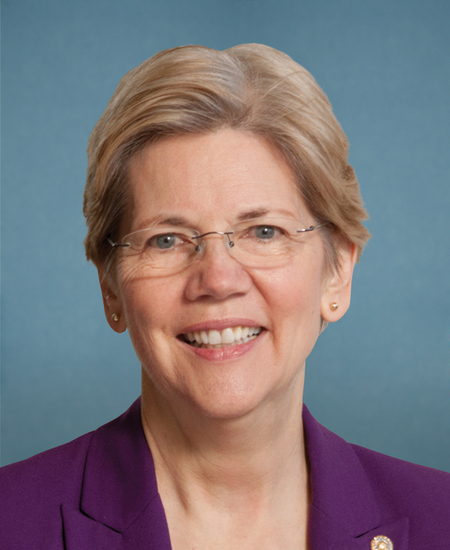
Elizabeth Warren
Elizabeth Warren Senate
D
Oppose
27% 11
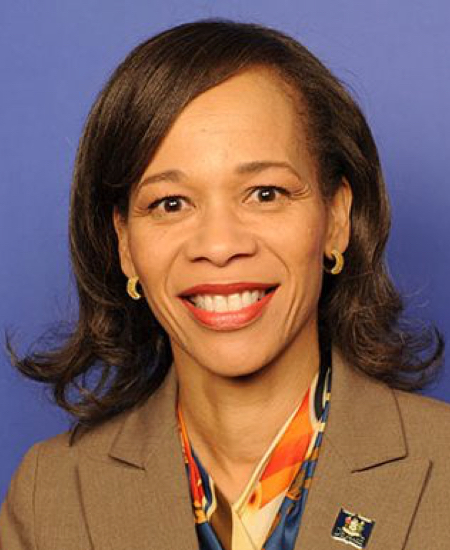
Lisa Blunt Rochester
Lisa Blunt Rochester Senate
D
Oppose
27% 11
Chip Roy
Chip Roy House · District 21
R
Oppose
29% 14
Showing 1,011–1,020 of 1,409 bills

All labor & employment bills

in committee · United States · House Nov 19, 2025

HR 6141: Fair Access to Justice for Union Members Act

This bill removes a requirement that union members must first exhaust internal union procedures (including waiting up to four months) before taking legal action against their union or its officers. It directly affects union members who wish to sue their union for grievances or violations of rights. The key change amends the Labor-Management Reporting and Disclosure Act to eliminate this pre-litigation step, allowing members to pursue court cases more quickly. The amendment takes effect 18 months after the bill is enacted.
in committee · United States · House Jun 6, 2025

HR 3611: Veterans Skilled Trades Transition Act

HR 3611, the Veterans Skilled Trades Transition Act, requires the Department of Defense, in collaboration with the Departments of Veterans Affairs and Labor, to submit a report to Congress within 180 days of enactment. The report must assess how many veterans successfully transfer military-acquired credentials (like those for airplane mechanics) into civilian jobs, identify commonly used certifications, and analyze barriers to state-level credential recognition. This bill focuses on gathering data to better understand the effectiveness of current programs supporting veterans transitioning to skilled trades careers, without creating new benefits or changing existing laws. It directly affects veterans seeking to use military training in civilian skilled trades roles.
in committee · United States · Senate Oct 1, 2025

S 2964: Emergency Relief for Federal Contractors Act of 2025

This bill allows federal contractors, their employees, and certain federal grant recipients or District of Columbia government workers affected by government shutdowns to withdraw up to $30,000 (adjusted for inflation) from retirement plans without the usual 10% early withdrawal penalty. Withdrawals must be repaid within three years to avoid tax consequences, and the withdrawn amount is spread over three years for tax purposes. It specifically applies during periods of federal appropriations lapses (at least two weeks) when workers face unpaid leave or reduced pay. The bill modifies tax rules to treat these distributions as eligible for penalty-free access under defined circumstances.
Sub-Topics Retirement Benefits
in committee · United States · House Jan 20, 2026

HR 7157: Supporting Teachers Through Tax Fairness Act

This bill creates a tax exclusion for K-12 public school teachers, allowing them to exclude up to $50,000 of their wages from federal income tax. Teachers in schools where 75%+ students qualify for free/reduced lunches, in rural areas, or teaching special education/STEM subjects qualify for a higher exclusion of $65,000. To qualify, teachers must work at least 900 hours in a school year at a public elementary or secondary school (including charter schools). The exclusion applies to taxable years beginning after December 31, 2025, and requires schools to verify eligibility for the IRS. It directly affects eligible K-12 public school teachers by reducing their taxable income.
passed · United States · Senate Oct 17, 2025

S 1728: Employee Ownership Representation Act of 2025

This bill increases the size of the ERISA Advisory Council (which advises on retirement and pension laws) from 15 to 17 members. It specifically adds two new seats for representatives from employee ownership organizations (like worker-owned cooperatives), while increasing the number of pension plan representatives. The changes take effect within one year of the bill becoming law, requiring the Labor Secretary to appoint these new members. The bill directly affects the council's composition and gives employee ownership groups a formal role in advising on retirement and pension policy.
Sub-Topics Retirement Benefits
in committee · United States · Senate Mar 26, 2025

S 1154: Congressional Whistleblower Protection Act of 2025

The Congressional Whistleblower Protection Act of 2025 extends protections to federal employees, job applicants, and workers for government contractors who report wrongdoing. It updates existing law to provide clear administrative processes for seeking remedies against retaliation, with tailored procedures for different groups (e.g., FBI staff or intelligence community workers). If administrative remedies aren't resolved within 180 days, whistleblowers can sue in federal court for double back pay, reinstatement, legal fees, or other damages. This bill aims to strengthen accountability by making it easier for covered individuals to seek redress for retaliation.
Sub-Topics Courts
in committee · United States · House Aug 1, 2025

HR 4854: Saving the Department of the Interior's Workforce Act

This bill blocks the Department of the Interior from implementing layoffs or involuntary separations (except for misconduct or performance issues) at any agency or bureau until Congress passes full-year funding for fiscal year 2026. It directly affects all employees in the competitive service, excepted service, and Senior Executive Service within the Department of the Interior. The key provision creates a moratorium on workforce reductions, requiring full FY2026 appropriations before any layoff actions can proceed.
Sub-Topics Unemployment
in committee · United States · House Mar 5, 2025

HR 20: Richard L. Trumka Protecting the Right to Organize Act of 2025

The Richard L. Trumka Protecting the Right to Organize Act of 2025 strengthens workers' organizing rights by making it an unfair labor practice for employers to threaten permanent replacement of striking workers, discriminate against workers who support unions, or require employees to attend employer campaigns unrelated to their job duties. It expands the definition of "employee" to make it harder for companies to classify workers as independent contractors and requires employers to post notices about workers' rights in conspicuous locations. The bill establishes a new electronic voting system for union elections, creates a 90-day bargaining period before mediation can be requested, and increases penalties for violations of labor laws. These changes are intended to make it easier for workers to form unions and negotiate better wages and working conditions.
in committee · United States · Senate Jan 15, 2026

S 3665: Passenger Rail Crew Protection Act

S 3665, the Passenger Rail Crew Protection Act, makes it a federal crime to assault or intimidate crew members on passenger trains, platforms, or in rail stations. It directly affects railroad workers (including engineers, conductors, and safety personnel) and passengers who threaten them, defining "dangerous weapon" to include items like pocket knives under 2.5 inches and box cutters. The law prohibits actions that interfere with crew duties or reduce their ability to perform them, with penalties of up to 8 years in prison for basic offenses and up to 20 years if a dangerous weapon is used. This bill establishes clear legal protections for rail crew members during their work, focusing on preventing physical threats that could compromise safety.
in committee · United States · Senate Nov 7, 2025

S 3156: Federal Worker Mortgage Forbearance Act

This bill provides federal workers and certain contractors with temporary mortgage payment relief during government shutdowns. It allows covered individuals (federal employees and supporting contractors) to request a 90-day pause on payments for federally-backed mortgages (like FHA, VA, or USDA loans) during a funding lapse and the following 180 days. Servicers must grant this forbearance without charging extra interest, fees, or requiring lump-sum payments later. The bill also requires credit reporting as current during the pause and mandates agencies to notify workers about this right. It does not forgive mortgage debt but temporarily pauses payments during covered shutdown periods.
Showing 1,011 to 1,020 of 1,409 bills