Issue · Labor & Employment

Labor & Employment

Every labor & employment bill, vote, and legislator stance in United States, automatically classified by Maddy, our AI policy reader.

Total bills
1,543
119th Congress
Top supporter
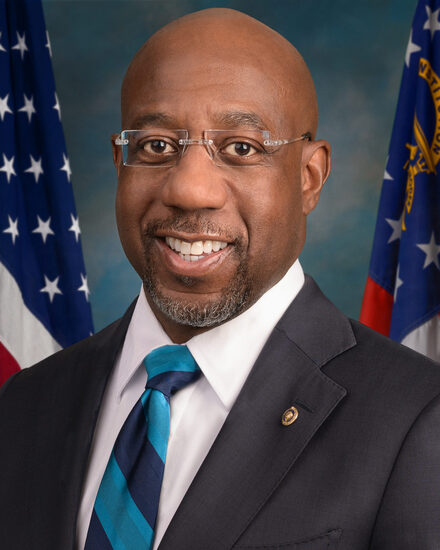
Raphael G. Warnock
100% support rate
Top opponent
Eric Burlison
31% support rate
Ranked legislators
10
5 support · 5 oppose
Key legislators

Who's moving labor & employment in United States

Legislators moving labor & employment in United States
Legislator Party Stance Support rate Votes
Raphael G. Warnock
Raphael G. Warnock Senate
D
Strong +
100% 211
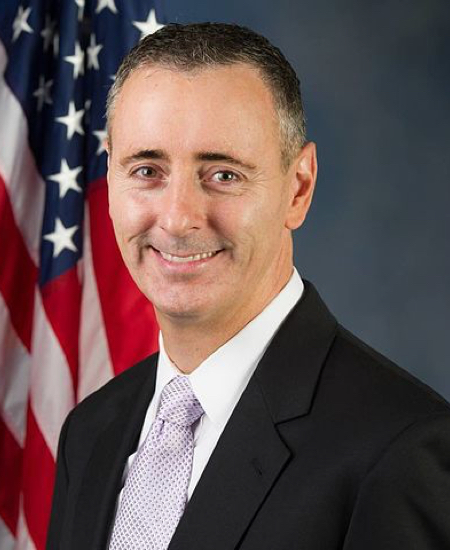
Brian K. Fitzpatrick
Brian K. Fitzpatrick House · District 1
R
Strong +
92% 194
Robert P. Bresnahan, Jr.
Robert P. Bresnahan, Jr. House · District 8
R
Strong +
92% 197
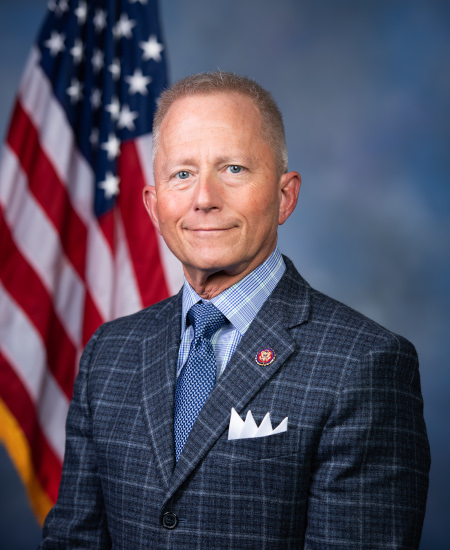
Jefferson Van Drew
Jefferson Van Drew House · District 2
R
Strong +
92% 197
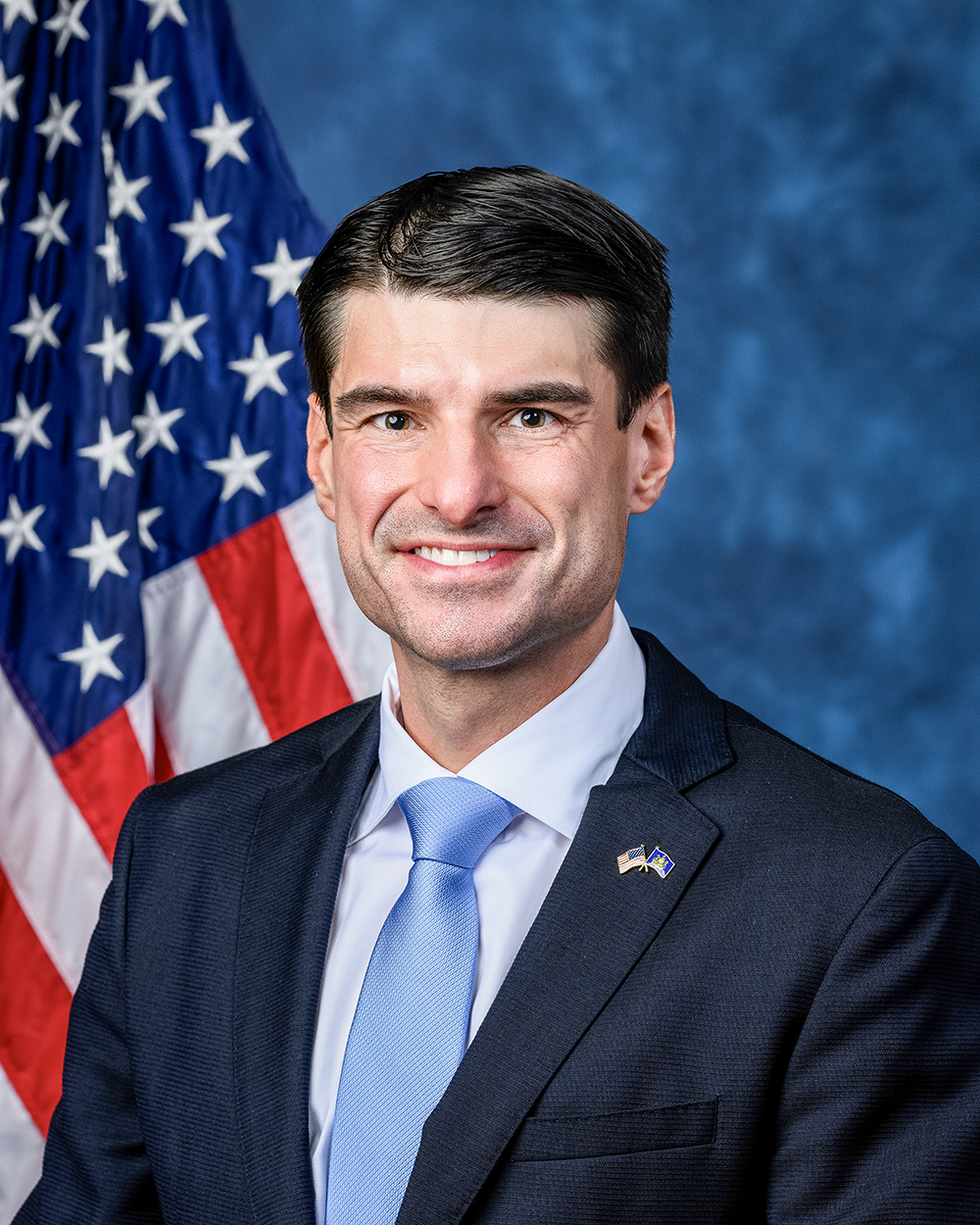
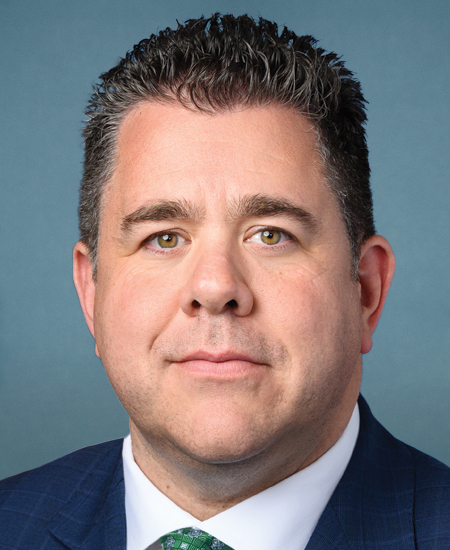
Nick LaLota
Nick LaLota House · District 1
R
Strong +
92% 195
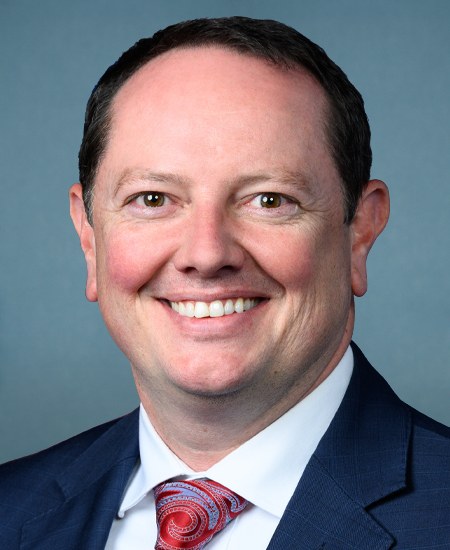
Eric Burlison
Eric Burlison House · District 7
R
Oppose
31% 197
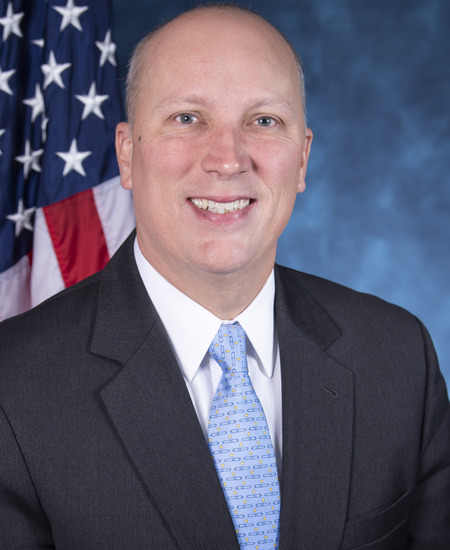
Chip Roy
Chip Roy House · District 21
R
Oppose
31% 190
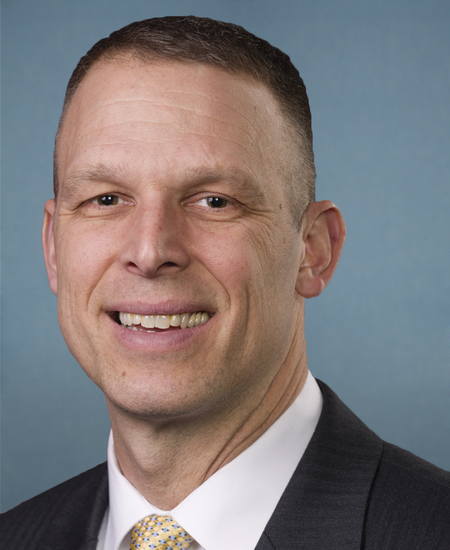
Scott Perry
Scott Perry House · District 10
R
Oppose
31% 194
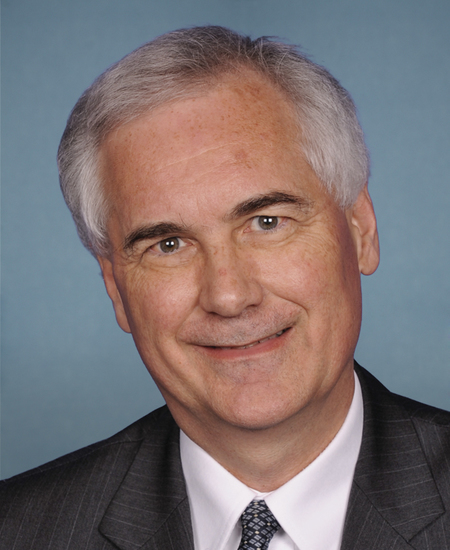
Tom McClintock
Tom McClintock House · District 5
R
Oppose
31% 190
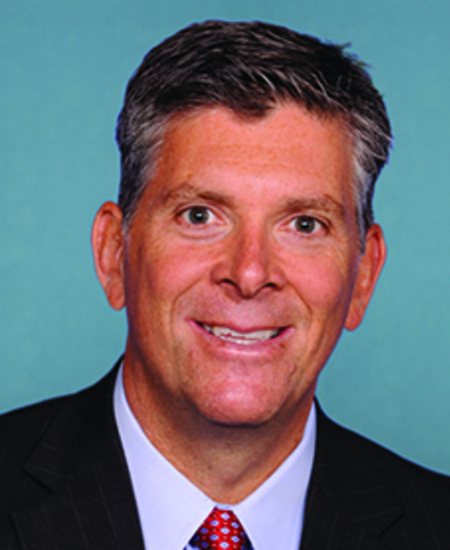
Darin LaHood
Darin LaHood House · District 16
R
Oppose
33% 175
Showing 91–100 of 1,543 bills

All labor & employment bills

in committee · United States · Senate Jul 15, 2026

S 4995: Agricultural Worker Justice Act of 2026

The Agricultural Worker Justice Act of 2026 establishes new rules to improve wages, safety, and accountability for workers in the meat and poultry processing industry. It requires the USDA to only purchase food from facilities where workers are paid at least the local prevailing wage and prohibits companies receiving USDA funds from buying back their own stock or paying dividends. The bill also mandates stricter safety standards, including limits on increased production line speeds, better access to toilet facilities, and enhanced protections against retaliation for reporting injuries or unsafe conditions. Additionally, the legislation creates a system to blacklist contractors with repeated labor law violations and requires detailed annual reports on grant recipients and racial disparities in the sector.
in committee · United States · Senate Jul 16, 2026

S 5010: NO BOSS Act

The NO BOSS Act modifies federal rules to allow individuals receiving unemployment benefits to start self-employment businesses without first exhausting their regular benefits. It requires that these self-employment activities include approved entrepreneurial training, business counseling, or a submitted business plan with a market feasibility study. The changes take effect two years after enactment, though states are permitted to adopt similar rules earlier. The Department of Labor will issue regulations and guidance to help state agencies implement these new requirements.
Sub-Topics Unemployment
in committee · United States · Senate Jul 14, 2026

S 4981: Living Wage For All Act

The Living Wage For All Act aims to raise the federal minimum wage to a living standard by establishing a tiered increase schedule that targets $25 per hour over five years for large corporations and twelve years for smaller employers. The bill defines large employers as those with at least $1 billion in annual revenue or 500 employees, requiring them to lead the transition while providing smaller businesses more time to adjust. It also phases out the separate, lower minimum wage for tipped employees and youth workers, eventually aligning all workers under the same rate, and gradually eliminates special minimum wage certificates for individuals with disabilities. Once the general minimum wage reaches $25 per hour, the law mandates that future adjustments be tied annually to the national median hourly wage to ensure the standard keeps pace with economic growth.
Sub-Topics Minimum Wage
in committee · United States · House Jul 16, 2026

HR 9751: Consumer Appeal Rights Enforcement Act

The Consumer Appeal Rights Enforcement Act strengthens rules for employee benefit plans by allowing the Department of Labor to impose fines on entities that fail to follow claims procedures or external review requirements. It defines violations as either global failures to have compliant processes or individual instances where plans do not provide proper notices, timely decisions, or requested information to participants. Penalties range from $1,000 per participant for global violations to $1,000 per day for individual violations, with options to triple these amounts if issues are not corrected within specific timeframes. The bill also repeals a previous provision that allowed private lawsuits for certain procedural violations, shifting enforcement authority to the Secretary of Labor.
in committee · United States · Senate Jul 16, 2026

S 5017: More Paid Leave for More Americans Act

The More Paid Leave for More Americans Act creates a federal grant program to help states establish or improve paid leave systems that offer up to six weeks of paid time off for reasons like illness, family care, or bonding. To receive funding, states must create a partnership with private entities to manage the program and agree to a national network that standardizes rules and technology across different states. The bill sets specific requirements for benefit amounts, such as providing at least 67 percent of an employee's weekly pay for low-income workers, and allows grants of up to $8 million per state to cover startup costs and ongoing operations. Additionally, the legislation authorizes funding for a national organization to build a shared technology system that helps workers apply for benefits regardless of which states they have worked in.
Sub-Topics Paid Leave
in committee · United States · Senate Aug 4, 2026

S 4965: Railroad Retirement Board Stability Act

This bill creates a new administrative account for the Railroad Retirement Board to manage funds specifically for its operations and technology upgrades. It establishes strict limits on how much money can be moved into this account between 2027 and 2031, based on a percentage of benefits paid or investment trust amounts, while also setting aside millions of dollars annually for modernizing outdated computer systems. Additionally, the bill requires the Government Accountability Office to produce reports reviewing the Board's efforts to update its legacy IT systems and consult with various stakeholders, including railroads and unions.
in committee · United States · House Jul 21, 2026

HR 9798: Employer Health Plan Flexibility Act

The Employer Health Plan Flexibility Act would allow certain employer-sponsored group health plans to opt out of the Affordable Care Act's requirement to cover specific Essential Health Benefits. This exemption applies to plans governed by the Employee Retirement Income Security Act and would take effect for plan years starting on or after January 1, 2028. While exempt from those specific coverage mandates, the bill explicitly states that employers must still comply with other federal rules, including those regarding mental health parity, nondiscrimination, and preventive services. To ensure transparency, employers claiming this exemption must annually inform their employees about the benefits included in their plan and identify any Essential Health Benefits that are not covered.
in committee · United States · Senate Jul 16, 2026

S 5011: Curtailing Executive Overcompensation (CEO) Act

The Curtailing Executive Overcompensation (CEO) Act imposes a new excise tax on large companies where the highest-paid CEO earns significantly more than the median worker. This tax applies to employers with over $100 million in annual revenue and over $10 million in wages, charging a fee equal to the lesser of 1% of the pay gap or 1% of the company's gross receipts. The law defines the pay gap as the difference between the CEO's average compensation and 50 times the median wage of all employees earning at least $5,000, with thresholds adjusted for inflation after 2027. Companies found to be manipulating their workforce to avoid the tax could face joint liability, and the IRS will issue regulations to prevent such avoidance.
Sub-Topics Sales Tax
in committee · United States · House Jul 16, 2026

HR 9728: Protecting America’s Diplomatic Workforce Act

The Protecting America's Diplomatic Workforce Act limits how many employees federal foreign affairs agencies can fire at once and requires stricter oversight for large layoffs. It caps reductions in force to 50 employees every six months unless agencies provide detailed justifications to Congress explaining why other options were not considered and how the cuts might affect diplomatic missions. The bill also mandates longer notice periods for employees facing layoffs, updates rules to prioritize performance over tenure when selecting who to retain, and requires the State Department to consult with lawmakers before making major changes to its internal manual. These measures directly impact agencies such as the Department of State, USAID, and the Peace Corps by increasing transparency and adding procedural hurdles to workforce reductions.
in committee · United States · House Jul 22, 2026

HR 9875: Protecting Childcare from Private Equity Act

The Protecting Childcare from Private Equity Act requires the Securities and Exchange Commission to collect and report data on private funds that own or control childcare providers. It restricts these large private funds from selling their interests in childcare entities or taking dividends for four years after they first gain control. Additionally, the bill mandates a study by the Comptroller General to examine how private equity ownership affects childcare quality, availability, costs, and employee wages. These measures specifically target private funds with over $150 million in assets that operate childcare at more than 25 locations.
Showing 91 to 100 of 1,543 bills
Previous 1 9 10 11 155 Next