

Living Wage For All Act
The Living Wage For All Act aims to raise the federal minimum wage to a living standard by establishing a tiered increase schedule that targets $25 per hour over five years for large corporations and twelve years for smaller employers. The bill defines large employers as those with at least $1 billion in annual revenue or 500 employees, requiring them to lead the transition while providing smaller businesses more time to adjust. It also phases out the separate, lower minimum wage for tipped employees and youth workers, eventually aligning all workers under the same rate, and gradually eliminates special minimum wage certificates for individuals with disabilities. Once the general minimum wage reaches $25 per hour, the law mandates that future adjustments be tied annually to the national median hourly wage to ensure the standard keeps pace with economic growth.
Bill status
in committee
1 of 4 stages cleared
Introduction
Jul 2026
Committee Review
Floor Vote
President
Introduced Jul 14, 2026
Last action Jul 14, 2026
Floor votes
How they voted
No floor votes recorded yet.
Full legislative history
Actions timeline
Total actions
2
Key actions
0
Committee
1
Jul 14, 2026
Committee
Read twice and referred to the Committee on Health, Education, Labor, and Pensions.
upper
Jul 14, 2026
Introduced
Introduced in Senate
upper
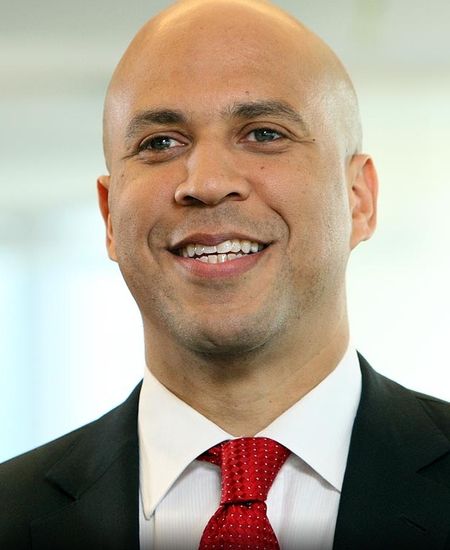
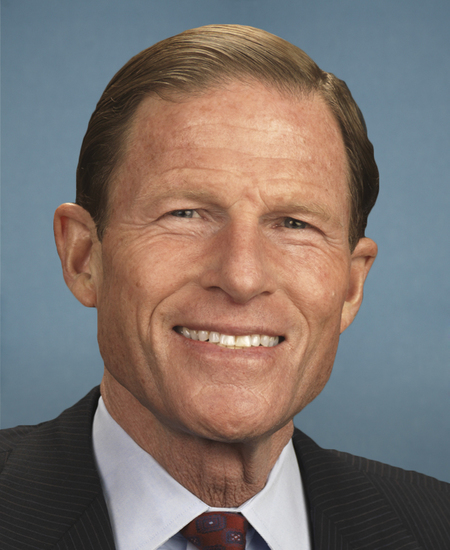
1 primary · 4 co-sponsors
Sponsors



Ask Maddy
·
AI policy assistant
Ask Maddy about S 4981
Scope: US
Hi! I can help you understand S 4981. What would you like to know?
Try one of these
i
Maddy answers using official bill text and legislative records. Always verify before sharing.
Sources cited inline