Issue · Healthcare

Healthcare

Every healthcare bill, vote, and legislator stance in United States, automatically classified by Maddy, our AI policy reader.

Total bills
3,150
119th Congress
Top supporter
Darline Graham
100% support rate
Top opponent
Ashley Moody
18% support rate
Ranked legislators
10
5 support · 5 oppose
Key legislators

Who's moving healthcare in United States

Legislators moving healthcare in United States
Legislator Party Stance Support rate Decisive votes
Darline Graham
Darline Graham Senate
R
Strong +
100% 6
AA
Alan Armstrong Senate
R
Strong +
88% 8
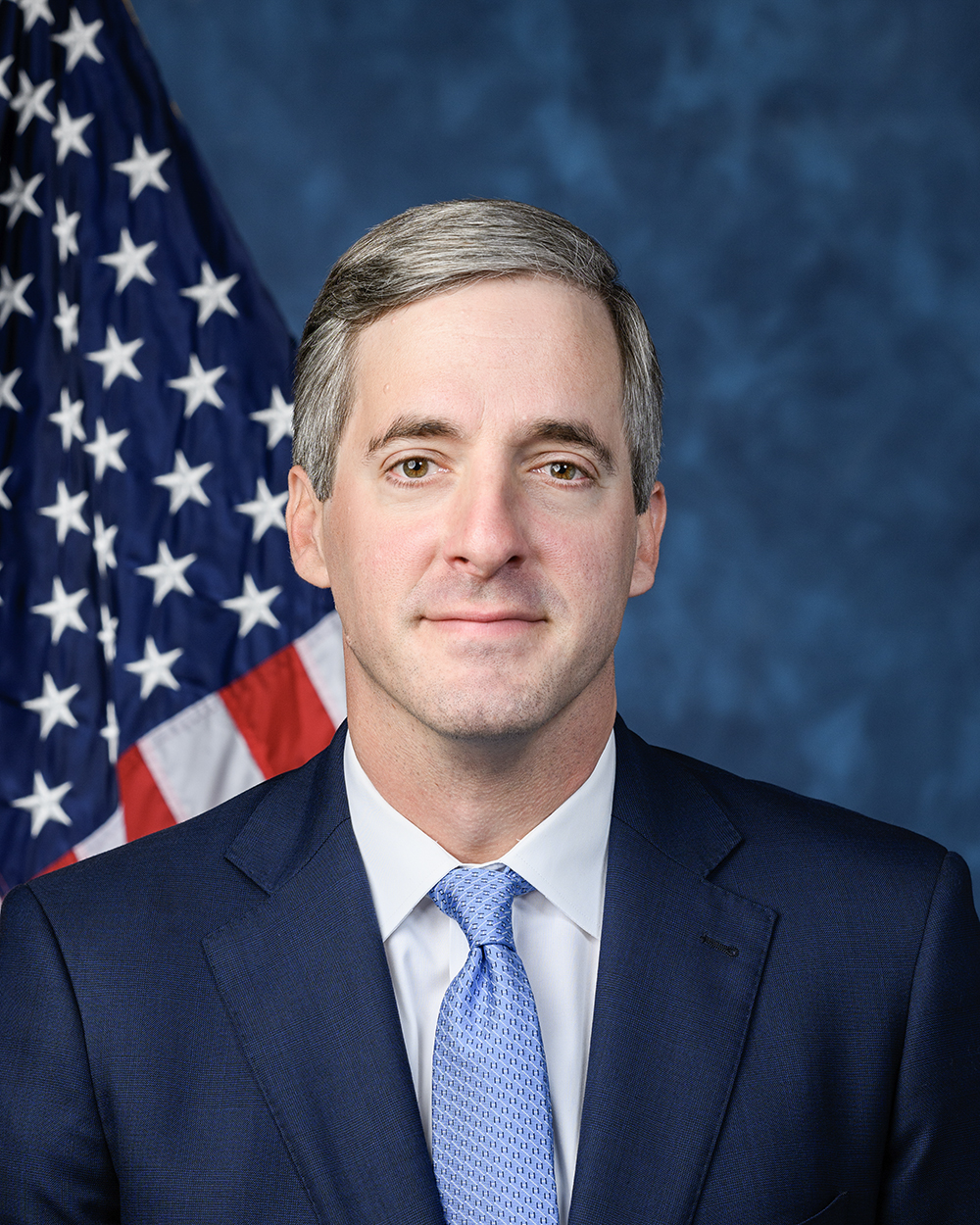
Peter Welch
Peter Welch Senate
D
Strong +
82% 22
Ron Wyden
Ron Wyden Senate
D
Support
77% 22
Alex Padilla
Alex Padilla Senate
D
Support
76% 21
Ashley Moody
Ashley Moody Senate
R
Strong −
18% 22
Rick Scott
Rick Scott Senate
R
Strong −
18% 22
Rand Paul
Rand Paul Senate
R
Oppose
23% 22
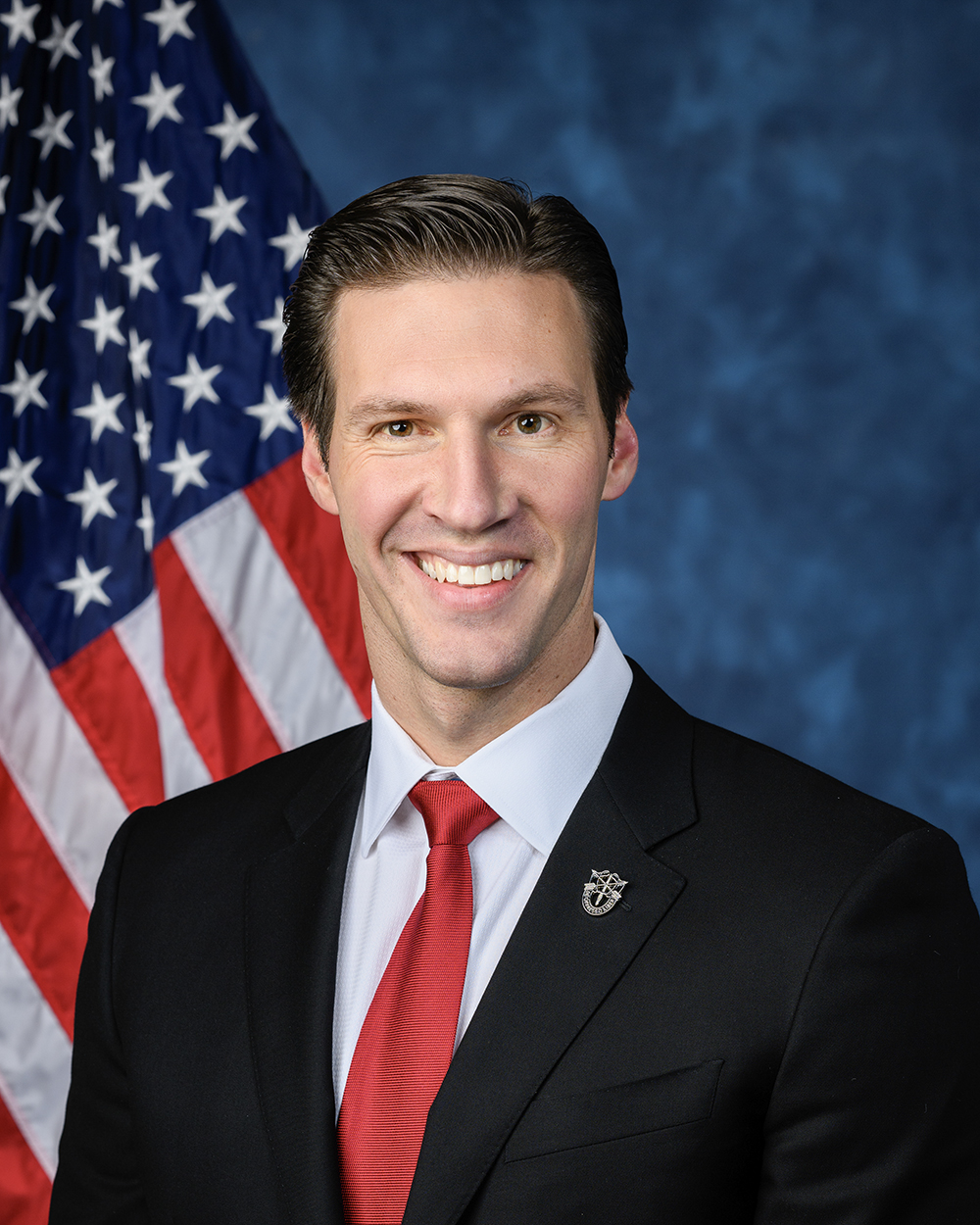
Brad Knott
Brad Knott House · District 13
R
Oppose
28% 18
Pat Harrigan
Pat Harrigan House · District 10
R
Oppose
28% 18
Showing 461–470 of 3,150 bills

All healthcare bills

in committee · United States · House Sep 15, 2026

HR 9228: Health DATA Act of 2026

This bill requires group health plans to gain full, timely access to detailed claims data and pricing information from healthcare providers and administrators without restrictions. It mandates that these entities provide unmodified data in standard electronic formats within 15 days and prohibits contracts that limit access to payment formulas, audit rights, or fee structures. To ensure compliance, the legislation introduces annual attestation requirements for plans and establishes civil penalties of up to $10,000 per day for violations, while also banning contracts that attempt to shield violators from these fines.
in committee · United States · House Jun 4, 2026

HR 9169: PKD Cures Act

The PKD Cures Act directs the National Institutes of Health to expand and prioritize research into polycystic kidney disease, a common genetic condition that causes kidney failure in hundreds of thousands of Americans. To achieve this, the bill requires the NIH to intensify studies on the disease's genetic mechanisms, develop new treatments, and create a comprehensive research roadmap involving experts and patient advocates. This roadmap must outline strategies for collaboration, set timelines for innovation, and propose ways to integrate new technologies like artificial medicine into care. Additionally, the legislation mandates that the NIH establish a specialized working group to identify research gaps and submit a detailed report to Congress within 24 months.
in committee · United States · House Jun 11, 2026

HR 9305: Juice for Healthy Families Act of 2026

The Juice for Healthy Families Act of 2026 amends the Child Nutrition Act to increase the maximum monthly allowance of single-strength juice for participants in the Special Supplemental Nutrition Program for Women, Infants, and Children (WIC). Under this change, families receiving Food Packages IV, V, VI, or VII would be authorized to receive up to 128 fluid ounces of juice per month instead of the current limit. This policy adjustment directly affects WIC participants by expanding their access to juice as part of their nutritional support. The bill does not alter eligibility requirements or the overall structure of the program, focusing solely on the specific quantity of juice permitted.
in committee · United States · House May 21, 2026

HR 8970: Gambling Disorder Health Study Act

The Gambling Disorder Health Study Act directs the Secretary of Health and Human Services to conduct research on gambling disorder, a behavioral addiction recognized by the American Psychiatric Association. This initiative aims to fill a current gap in federal oversight by funding studies on the causes, impacts, and treatments of gambling addiction, particularly in light of recent state legalization of sports betting. The program will involve collaboration with various federal agencies, academic institutions, and nonprofit organizations to analyze how different forms of gambling, including online platforms and mobile apps, affect individuals and communities. Findings from this research will be reported annually to Congress, which will then review recommendations for public health actions and policy changes. Funding for these efforts is authorized from 2027 to 2029, based on a percentage of taxes collected from gambling activities.
in committee · United States · House Jun 12, 2026

HR 8553: POPCaP Authorization Act of 2026

This bill establishes a new Precision Oncology Program for Prostate Cancer within the Department of Veterans Affairs to provide specialized care and research for veterans diagnosed with prostate or related genitourinary cancers. The legislation authorizes the creation of at least 21 designated Centers of Excellence across the country, each required to offer genetic sequencing, clinical trials, and specialized medical staff to treat eligible veterans. A dedicated leadership team will coordinate these centers, maintain a national data registry, and develop uniform tools to standardize care and research efforts. The program includes a five-year funding authorization of $15.5 million annually and mandates that existing prostate cancer resources at these facilities remain protected until 2030. Additionally, the bill requires the Secretary of Veterans Affairs to submit detailed implementation plans and annual performance reports to Congress to ensure accountability.
Sub-Topics Veteran Healthcare
in committee · United States · House May 26, 2026

HR 9033: Timely Agreements Act

The Timely Agreements Act requires the Department of Veterans Affairs to approve or reject proposals from State veterans homes regarding shared healthcare resources, such as pharmaceuticals and medical equipment, within 60 days of receipt. If the Department fails to make a decision by that deadline, the proposal is automatically considered approved. Additionally, the bill ensures that providing care to eligible veterans without a formal agreement in place will not be counted as an inspection violation or deficiency. These changes aim to streamline administrative processes and prevent delays in accessing necessary healthcare services for veterans.
in committee · United States · House Jun 3, 2026

HRES 1337: Recognizing the contributions of academic medicine and observing Academic Medicine Week from June 8 through 12, 2026.

This resolution formally recognizes the vital contributions of academic medicine and designates the week of June 8 through 12, 2026, as Academic Medicine Week. It highlights the essential roles played by medical schools, teaching hospitals, and researchers in training healthcare professionals, conducting medical research, providing patient care, and supporting community health. The bill also notes the significant economic impact of these institutions, which contribute billions to the national GDP and support millions of jobs.
in committee · United States · House May 29, 2026

HR 9065: Pregnancy Loss Mental Health Research Act of 2026

The Pregnancy Loss Mental Health Research Act of 2026 directs the National Institutes of Health to expand research on mental health issues following pregnancy loss, including miscarriage, stillbirth, and abortion. This legislation authorizes $4.5 million for fiscal years 2027 and 2028 to fund studies on the causes, diagnosis, and treatment of these conditions, as well as a long-term national study to track their prevalence and duration. Additionally, the bill modifies existing public health grants to allow funding for mental health services specifically for individuals who have experienced pregnancy loss, while prohibiting the use of these funds by entities that perform abortions except in cases of rape, incest, or life-threatening medical emergencies.
in committee · United States · House May 14, 2026

HR 8839: Lainie Jones Comprehensive Cancer Survivorship Act of 2026

The Lainie Jones Comprehensive Cancer Survivorship Act of 2026 establishes a new Office of Cancer Survivorship within the National Cancer Institute to coordinate research and education focused on the long-term health needs of the approximately 18 million Americans living with or beyond a cancer diagnosis. The bill mandates that Medicare and Medicaid cover specific services, including the creation of personalized care plans at key transition points and fertility preservation treatments for survivors facing treatment-related infertility. Additionally, the legislation creates a grant program to support cancer survivors and their families with employment assistance and establishes a new payment model designed to improve the quality and coordination of long-term survivorship care.
Sub-Topics Medicaid Medicare
in committee · United States · House Jun 8, 2026

HR 9186: Controlled Substances Act Clarification in Sciences Act of 2026

This bill clarifies how drugs are defined and scheduled under the Controlled Substances Act to better balance public safety with medical access. It updates legal definitions for terms like "accepted medical use," "dependence," and "abuse" to include scientific research and evidence-based evaluations from state medical regulators. Additionally, it requires the Attorney General to defer to the Secretary of Health and Human Services on scientific assessments and to consider a drug's potential benefits to society when deciding on its schedule. These changes directly affect how the federal government classifies substances and aims to ensure that scheduling decisions are based on rigorous science rather than solely on the potential for abuse.
Showing 461 to 470 of 3,150 bills
Previous 1 … 46 47 48 … 315 Next