Issue · Healthcare

Healthcare

Every healthcare bill, vote, and legislator stance in United States, automatically classified by Maddy, our AI policy reader.

Total bills
3,079
119th Congress
Top supporter
Christopher Murphy
81% support rate
Top opponent
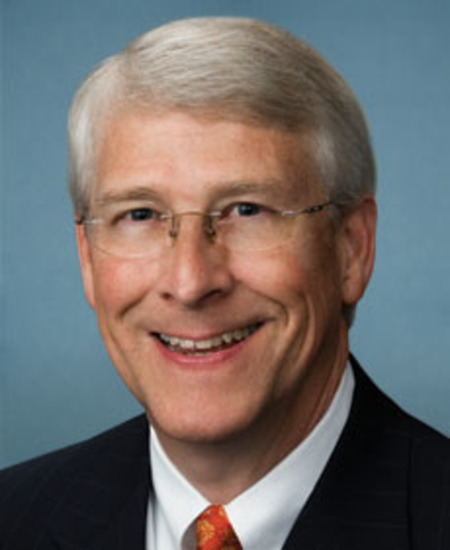
Bill Hagerty
13% support rate
Ranked legislators
10
5 support · 5 oppose
Key legislators

Who's moving healthcare in United States

Legislators moving healthcare in United States
Legislator Party Stance Support rate Votes
Christopher Murphy
Christopher Murphy Senate
D
Strong +
81% 221
Raphael G. Warnock
Raphael G. Warnock Senate
D
Strong +
81% 222
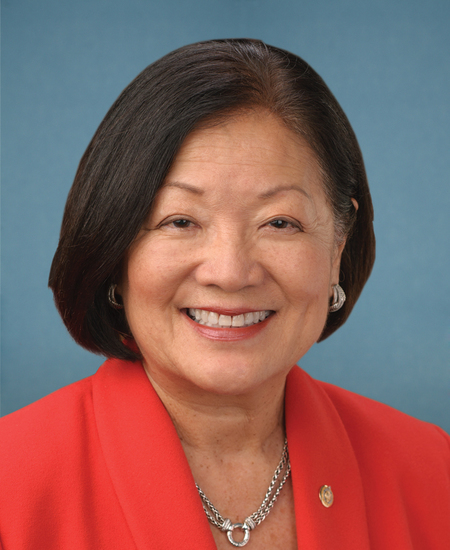
Mazie K. Hirono
Mazie K. Hirono Senate
D
Support
76% 223
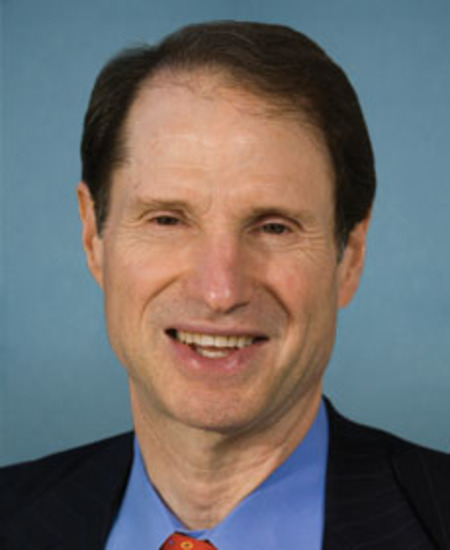
Ron Wyden
Ron Wyden Senate
D
Support
76% 223
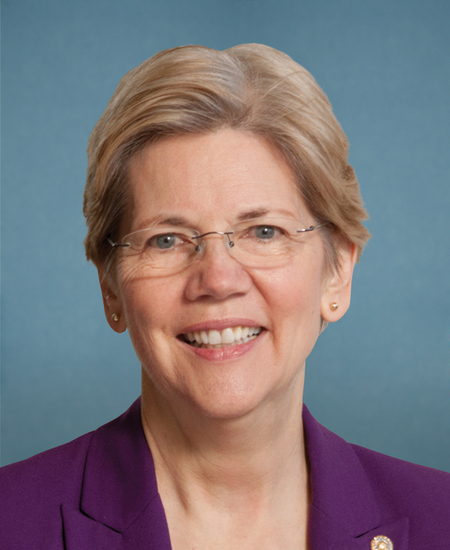
Elizabeth Warren
Elizabeth Warren Senate
D
Support
76% 223
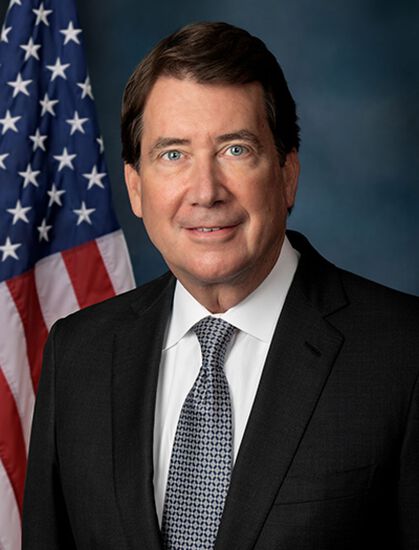
Bill Hagerty
Bill Hagerty Senate
R
Strong −
13% 218
Roger F. Wicker
Roger F. Wicker Senate
R
Strong −
13% 220
James C. Justice
James C. Justice Senate
R
Strong −
19% 216
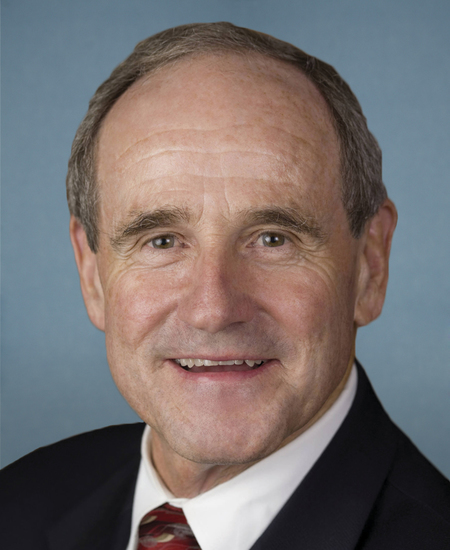
James E. Risch
James E. Risch Senate
R
Strong −
19% 221
Mitch McConnell
Mitch McConnell Senate
R
Strong −
19% 197
Showing 2,991–3,000 of 3,079 bills

All healthcare bills

in committee · United States · House Jan 24, 2025

HRES 65: Reaffirming the freedom to decide and expressing continued support for medication abortion access.

HRES 65 is a non-binding House resolution affirming existing medication abortion access and addressing concerns about the Comstock Act. It specifically references a December 2022 Department of Justice memo confirming that federal law does not prohibit mailing abortion medications like mifepristone when sent without intent to violate the law. The resolution condemns restrictions on reproductive health care access, including medication abortion, and rejects efforts to misuse the Comstock Act to threaten such services. As a symbolic statement (not new legislation), it expresses congressional support for current legal access to medication abortion without creating new policy changes.
Sub-Topics Women's Health
in committee · United States · Senate Jan 8, 2026

S 3599: Affordable CHOICE Act

S 3599, the Affordable CHOICE Act, establishes a new government-run health insurance plan to compete with private insurers through existing health insurance marketplaces (Exchanges) starting in 2027. It directly affects consumers purchasing coverage through these Exchanges by offering bronze, silver, and gold plan tiers with premiums set to cover both health benefits and administrative costs. Key provisions require the federal government to negotiate provider payment rates (using Medicare rates as a fallback), prohibit transferring insurance risk to contractors, and mandate state-level advisory councils to recommend improvements. The plan must comply with existing ACA rules on benefits and consumer protections while aiming to provide affordable, high-quality coverage nationwide.
Sub-Topics Insurance Medicare
in committee · United States · Senate Jun 10, 2025

S 2011: Telemental Health Care Access Act of 2025

This bill expands Medicare coverage to include mental and behavioral health services provided via telehealth, removing geographic restrictions that previously limited these services to rural areas. It directly affects Medicare beneficiaries seeking remote mental or behavioral health care and healthcare providers billing Medicare for these services. The key change amends the Social Security Act to replace "mental health services" with "mental and behavioral health services furnished through telehealth" and eliminates outdated geographic limitations. This ensures Medicare beneficiaries in all areas can access covered telehealth mental/behavioral health services without location-based restrictions. The policy change takes effect retroactively as if implemented in 2021.
in committee · United States · Senate May 5, 2025

S 1600: Save Healthcare Workers Act

The Save Healthcare Workers Act (S 1600) makes it a federal crime to assault healthcare workers while they are performing job duties at hospitals or medical facilities engaged in interstate commerce. It covers assaults on staff at hospitals, long-term care facilities, rehabilitation centers, children’s hospitals, cancer hospitals, and critical access hospitals, with enhanced penalties for using weapons, causing injury, or during declared emergencies. The bill establishes fines and prison sentences of up to 20 years for aggravated cases, while allowing a limited defense if the assailant has a disability that impaired their understanding of their actions. The law directly affects healthcare workers and hospitals by creating new federal prosecution pathways for workplace violence.
in committee · United States · Senate Apr 1, 2025

S 1239: Convenient Contraception Act

This bill requires group health plans and individual health insurance plans to cover a full year's supply (up to 365 days) of contraceptives without any cost-sharing (like copays or deductibles), for any contraceptive already mandated by law. It directly affects individuals enrolled in these health plans who use prescribed contraceptives, ensuring they can access a full year's supply in one transaction. The key provision eliminates cost barriers for a 365-day supply, applying to all contraceptives covered under existing law. The requirement takes effect for plan years starting January 1, 2026, and includes a requirement for federal agencies to inform enrollees and providers about the new coverage rules.
in committee · United States · House Apr 1, 2025

HR 2020: New Mexico Rural Veteran Health Care Access Act

This bill requires the U.S. Department of Veterans Affairs to redraw healthcare network boundaries within 180 days of enactment, adding Otero and Eddy Counties in New Mexico to Veterans Integrated Service Network 17. It directly affects veterans residing in these two counties by expanding their access to VA healthcare services previously unavailable through this network. The key mechanism is a mandatory boundary adjustment to include these counties in an existing VA healthcare service network, streamlining access to care. This change makes no other policy modifications and focuses solely on geographic reassignment for service delivery.
in committee · United States · Senate May 8, 2025

SRES 208: A resolution supporting the designation of May 10, 2025, as "National Asian American, Native Hawaiian, and Pacific Islander Mental Health Day".

SRES 208 is a symbolic Senate resolution designating May 10, 2025, as "National Asian American, Native Hawaiian, and Pacific Islander Mental Health Day." It supports raising awareness about mental health disparities affecting AANHPI communities, where 65.3% of those needing treatment don’t receive it, and AANHPI youth face high suicide rates. The resolution encourages federal, state, and local health agencies to improve mental health literacy and culturally appropriate care access for AANHPI populations. As a non-binding resolution, it does not create new laws or funding but aims to highlight existing challenges and promote community-focused solutions.
Sub-Topics Mental Health
in committee · United States · House Sep 8, 2025

HRES 680: Recognizing suicide as a serious public health problem, expressing support for the designation of September 8, 2025, as ''988 Day'' and the role of 988 Suicide and Crisis Lifeline, and for other purposes.

This resolution (HRES 680) recognizes suicide as a serious public health issue and designates September 8, 2025, as "988 Day" to highlight the national three-digit crisis hotline (988 Suicide and Crisis Lifeline). It does not create new laws or funding but formally supports existing efforts to raise awareness about the 988 hotline, which connects people in mental health crisis to 24/7 support services. The resolution emphasizes the hotline's role in suicide prevention, citing data showing it handled nearly 18 million contacts since 2022 and was reported as helpful by 98% of users. It urges continued public education about the hotline, particularly for high-risk groups like LGBTQI+ youth, and encourages broader access to mental health services.
in committee · United States · Senate Dec 9, 2025

S 3391: Accountability for Better Care Act of 2025

The Accountability for Better Care Act of 2025 modifies key provisions of the Affordable Care Act's health insurance subsidies. It extends the premium tax credit period to 2027, increases the income threshold for higher-income households to 600% of the federal poverty level (from 400%), and ensures subsidies never exceed monthly premiums minus $5. The bill also requires U.S. citizenship for eligibility (replacing prior rules for non-citizens), and prohibits health plans covering abortions (except in cases of life endangerment, rape, or incest) from qualifying for subsidies. These changes apply to tax years beginning after December 31, 2025.
in committee · United States · Senate Mar 19, 2026

S 1830: Right to Treat Act

S 1830, the Right to Treat Act, prohibits federal agencies like the FDA from regulating the practice of medicine and bans restrictions on prescribing FDA-approved drugs for unapproved uses. It directly affects doctors, patients, and pharmaceutical companies by removing federal barriers to off-label drug prescriptions. The bill explicitly excludes federal laws related to abortion, assisted suicide, euthanasia, or gender transition medical interventions from its scope. This is a procedural change to federal regulatory authority, not a new program or funding measure.
Showing 2,991 to 3,000 of 3,079 bills