Issue · Healthcare

Healthcare

Every healthcare bill, vote, and legislator stance in United States, automatically classified by Maddy, our AI policy reader.

Total bills
3,096
119th Congress
Top supporter
Christopher Murphy
81% support rate
Top opponent
Bill Hagerty
13% support rate
Ranked legislators
10
5 support · 5 oppose
Key legislators

Who's moving healthcare in United States

Legislators moving healthcare in United States
Legislator Party Stance Support rate Decisive votes
Christopher Murphy
Christopher Murphy Senate
D
Strong +
81% 16
Raphael G. Warnock
Raphael G. Warnock Senate
D
Strong +
81% 16
Adam B. Schiff
Adam B. Schiff Senate
D
Support
76% 17
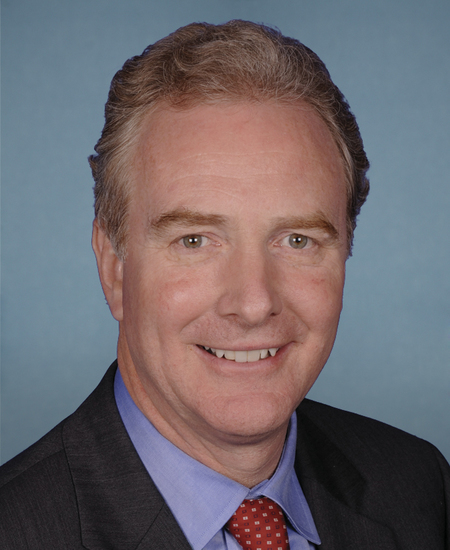
Chris Van Hollen
Chris Van Hollen Senate
D
Support
76% 17
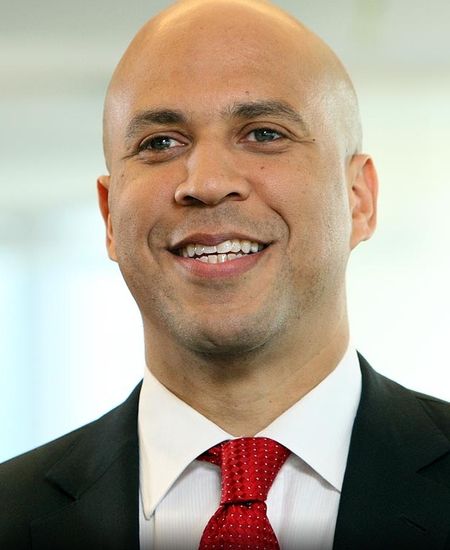
Cory A. Booker
Cory A. Booker Senate
D
Support
76% 17
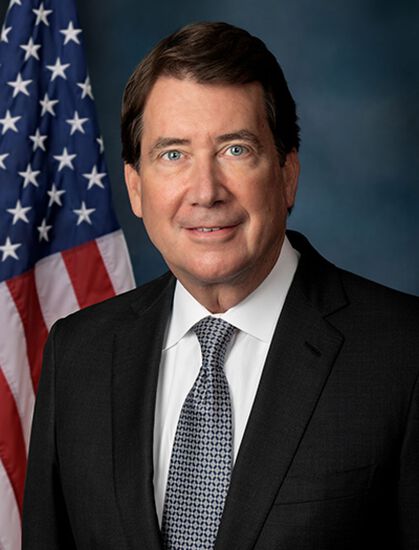
Bill Hagerty
Bill Hagerty Senate
R
Strong −
13% 15
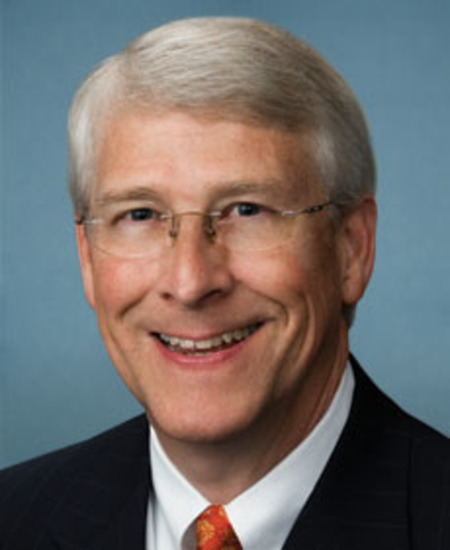
Roger F. Wicker
Roger F. Wicker Senate
R
Strong −
13% 15
James C. Justice
James C. Justice Senate
R
Strong −
19% 16
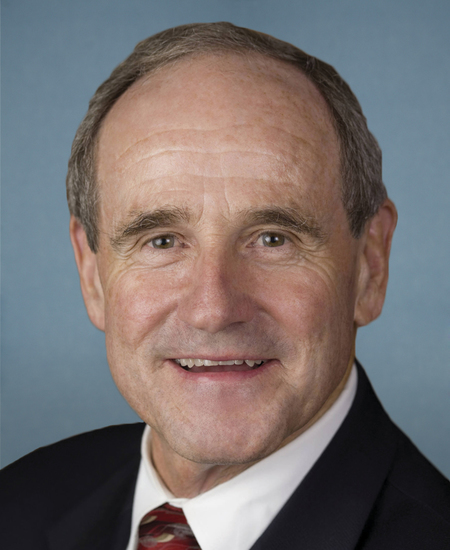
James E. Risch
James E. Risch Senate
R
Strong −
19% 16
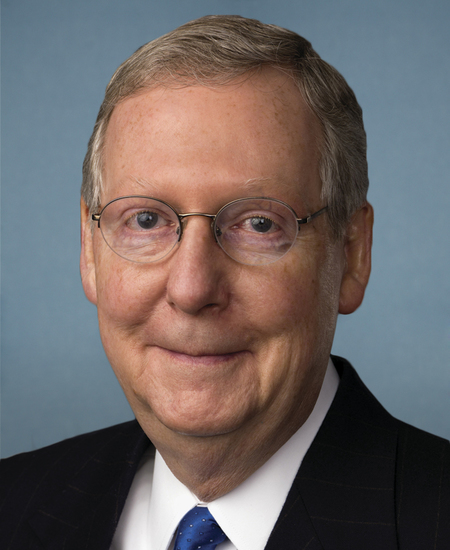
Mitch McConnell
Mitch McConnell Senate
R
Strong −
19% 16
Showing 2,981–2,990 of 3,096 bills

All healthcare bills

passed · United States · Senate Sep 19, 2025

SRES 417: A resolution supporting the designation of the week of September 14 through September 20, 2025, as "Telehealth Awareness Week".

This resolution designates the week of September 14-20, 2025, as "Telehealth Awareness Week" to highlight the role of telehealth in expanding access to healthcare. It recognizes telehealth's importance for rural communities, seniors, and patients with mobility barriers, noting its increased use in Medicare programs. The Senate urges stakeholders to raise awareness about telehealth benefits, share resources for providers and patients, and promote continued access to telehealth services. As a symbolic resolution, it does not create new laws or alter healthcare policies but aims to foster broader recognition of telehealth’s value.
Sub-Topics Medicare Telehealth
in committee · United States · Senate Jul 23, 2025

S 2408: Access to Fertility Treatment and Care Act

This bill would require health insurance plans that cover obstetrical services to also cover fertility treatment, including procedures like in vitro fertilization, artificial insemination, embryo preservation, and related medications. It applies to private insurance plans, federal employee health benefits, TRICARE, VA benefits, Medicaid programs, and Medicare. The law mandates coverage regardless of whether a patient has been diagnosed with infertility, prohibits cost-sharing exceeding what's applied to other medical services, and requires plans to provide clear notice about the coverage to participants. The goal is to make fertility treatment more accessible and affordable for people who need it.
in committee · United States · House Jan 3, 2025

HR 73: Abortion Is Not Health Care Act of 2025

The Abortion Is Not Health Care Act of 2025 would amend the federal tax code to exclude abortion expenses from deductible medical costs on income tax returns. Specifically, it adds a provision stating that amounts paid for abortions cannot be included in the medical expense deduction under Section 213 of the Internal Revenue Code. This change would directly affect taxpayers who previously claimed abortion costs as deductible medical expenses. The provision would apply to taxable years beginning after the bill's enactment date.
in committee · United States · Senate Sep 11, 2025

SRES 385: A resolution recognizing suicide as a serious public health problem and expressing support for the designation of September as "National Suicide Prevention Month".

SRES 385 is a Senate resolution recognizing suicide as a serious public health issue in the U.S. and supporting the designation of September as "National Suicide Prevention Month." It does not create new laws or funding but formally acknowledges suicide statistics (e.g., 49,000 annual deaths, 1 death every 11 minutes) and emphasizes suicide prevention as a priority. The resolution promotes awareness that suicide has no single cause and encourages access to mental health services, without specifying policy changes or requiring government action. It is a symbolic gesture by the Senate, not a binding legislative measure.
in committee · United States · House Apr 30, 2025

HRES 362: Expressing support for the designation of April 30, 2025, as "National Adult Hepatitis B Vaccination Awareness Day".

This resolution expresses congressional support for designating April 30, 2025, as "National Adult Hepatitis B Vaccination Awareness Day." It highlights that only 30% of U.S. adults are vaccinated against hepatitis B despite the vaccine being 95% effective, and emphasizes the need to increase adult vaccination rates - particularly among high-risk groups like people who inject drugs and communities disproportionately affected by the virus. The resolution encourages adults to get tested and vaccinated, links diagnosed individuals to care, and promotes awareness to reduce hepatitis B-related liver cancer and death. It does not create new laws but aims to raise public and provider awareness about existing vaccination recommendations.
Sub-Topics Public Health
in committee · United States · Senate Sep 11, 2025

S 2793: Ensuring Access to Essential Providers Act of 2025

S 2793, the Ensuring Access to Essential Providers Act of 2025, requires Medicare Advantage (MA) plans to include specific types of community health providers in their networks. It directly affects MA organizations serving seniors and people with disabilities, mandating they include enough providers serving low-income, rural, or health professional shortage areas to ensure "reasonable and timely access." Key provisions include requiring MA plans to contract with available essential community providers (like Federally Qualified Health Centers, rural hospitals, and Indian Health Service facilities), justify if they cannot meet this standard, and pay Federally Qualified Health Centers appropriately. The bill aims to improve access for vulnerable populations without mandating coverage for specific medical procedures.
Sub-Topics Healthcare Workforce Medicare Primary Care Tags Seniors
in committee · United States · Senate Jul 29, 2025

S 2524: Restoring Essential Healthcare Act

The Restoring Essential Healthcare Act repeals a provision that blocked Medicaid payments to certain healthcare providers. Specifically, it removes a restriction from Public Law 119-21 that prevented Medicaid from paying "prohibited entities" for services provided between the law's enactment and this bill's effective date. Payments for those services will now be made retroactively, as if the restriction had never existed. This directly affects Medicaid programs and the healthcare providers previously excluded from receiving these payments.
Sub-Topics Medicaid
in committee · United States · House Sep 19, 2025

HR 5526: Biosimilar Red Tape Elimination Act

HR 5526, the Biosimilar Red Tape Elimination Act, streamlines the U.S. Food and Drug Administration’s (FDA) process for approving biosimilar drugs that can be used interchangeably with brand-name biologic medications. It establishes a 60-day transition period after enactment to clarify when biosimilars are deemed "interchangeable" with reference drugs, preserving existing exclusivity periods for products licensed before the law’s passage. This affects pharmaceutical manufacturers developing biosimilars, the FDA (which must update its guidance within 18 months), and healthcare systems seeking lower-cost treatment options. The bill removes redundant language from existing laws and ensures the FDA’s approval standards for biosimilars remain unchanged, focusing on regulatory clarity rather than altering drug safety or efficacy requirements.
Sub-Topics Prescription Drugs
in committee · United States · House Feb 4, 2025

HR 936: Medicaid Improvement and State Flexibility Act of 2025

This bill allows states to create new Medicaid demonstration projects that give enrollees an electronic benefits card for primary care and medications, with unused funds converted to cash annually. Participants could also enroll in state-determined catastrophic insurance for coverage beyond the card's limits. The projects must not increase federal spending compared to standard Medicaid and prohibit abortion coverage except when necessary to save a mother's life or in cases of rape or incest. It directly affects Medicaid enrollees in states that adopt such projects, granting states more flexibility in program design.
in committee · United States · House Dec 18, 2025

HRES 960: Expressing support for the designation of November 2025 as "National Lung Cancer Awareness Month" and expressing support for early detection and treatment of lung cancer.

HRES 960 is a symbolic resolution expressing congressional support for designating November 2025 as "National Lung Cancer Awareness Month." It also supports related observances like "National Women's Lung Cancer Awareness Week" and "National Lung Cancer Screening Day." The resolution aims to promote public awareness, education, and efforts around early detection, screening, and treatment of lung cancer - highlighting that lung cancer causes more U.S. deaths annually than several other cancers combined. It specifically emphasizes increasing access to screening and addressing disparities affecting minorities, non-smokers, and veterans, though the resolution itself does not create new laws or funding.
Showing 2,981 to 2,990 of 3,096 bills