Issue · Healthcare

Healthcare

Every healthcare bill, vote, and legislator stance in United States, automatically classified by Maddy, our AI policy reader.

Total bills
3,079
119th Congress
Top supporter
Christopher Murphy
81% support rate
Top opponent
Bill Hagerty
13% support rate
Ranked legislators
10
5 support · 5 oppose
Key legislators

Who's moving healthcare in United States

Legislators moving healthcare in United States
Legislator Party Stance Support rate Votes
Christopher Murphy
Christopher Murphy Senate
D
Strong +
81% 221
Raphael G. Warnock
Raphael G. Warnock Senate
D
Strong +
81% 222
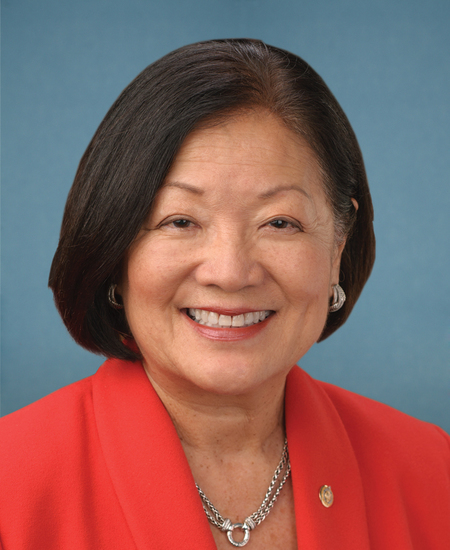
Mazie K. Hirono
Mazie K. Hirono Senate
D
Support
76% 223
Ron Wyden
Ron Wyden Senate
D
Support
76% 223
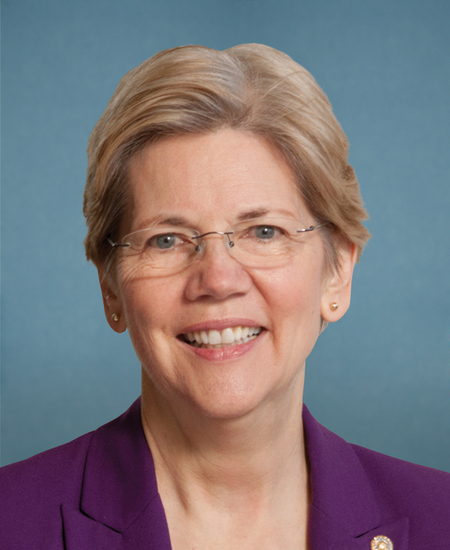
Elizabeth Warren
Elizabeth Warren Senate
D
Support
76% 223
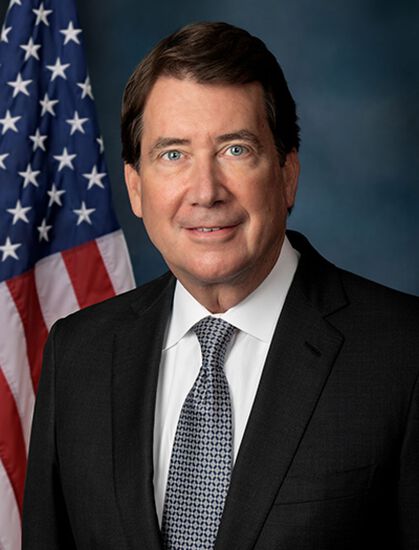
Bill Hagerty
Bill Hagerty Senate
R
Strong −
13% 218
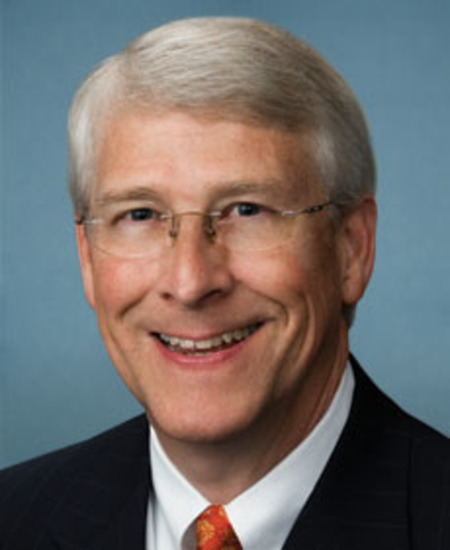
Roger F. Wicker
Roger F. Wicker Senate
R
Strong −
13% 220
James C. Justice
James C. Justice Senate
R
Strong −
19% 216
James E. Risch
James E. Risch Senate
R
Strong −
19% 221
Mitch McConnell
Mitch McConnell Senate
R
Strong −
19% 197
Showing 3,001–3,010 of 3,079 bills

All healthcare bills

in committee · United States · House Sep 9, 2025

HRES 685: Expressing support for testing for antiphospholipid syndrome (APS) as a standard part of prenatal screening, and for other purposes.

HRES 685 is a non-binding resolution expressing support for adding antiphospholipid syndrome (APS) testing to standard prenatal screening. APS is an immune condition causing blood clots that can lead to miscarriages and stillbirths, currently not tested for routinely despite causing about 15% of recurrent pregnancy losses. The resolution urges medical associations to update guidelines to recommend APS testing as standard during prenatal care, rather than only for women with specific histories of pregnancy loss. It does not change current medical practice but advocates for updated recommendations to potentially prevent pregnancy complications.
Sub-Topics Women's Health
in committee · United States · Senate Feb 10, 2025

S 502: Rural Hospital Closure Relief Act of 2025

This bill allows states to waive the 35-mile rule for certain rural hospitals seeking Critical Access Hospital (CAH) designation under Medicare. It targets hospitals that are sole community hospitals, Medicare-dependent small rural hospitals, low-volume hospitals, or subsection (d) hospitals located in high-poverty or health professional shortage areas, with two consecutive years of negative margins. To qualify, hospitals must commit to adding high-demand services like obstetrics or behavioral health and submit annual reports on these services. The bill caps total CAH designations at 120 nationwide (5 per state) and requires transition to new payment models after 9 years. It also mandates studies by GAO and MedPAC to evaluate impacts on access and costs.
Sub-Topics Hospitals Medicare Telehealth Tags Rural Communities
in committee · United States · Senate Aug 1, 2025

S 2649: Psychiatric Hospital Inspection Transparency Act of 2025

This bill requires psychiatric hospitals to have their accreditation inspections documented using a standardized form (CMS-2567 or a future successor) starting two years after enactment. It mandates that the Centers for Medicare & Medicaid Services publish key inspection findings on the Care Compare website two years after enactment, helping healthcare consumers compare facilities. The law includes privacy safeguards to prevent disclosure of patient or staff identities, ensuring compliance with HIPAA regulations. The bill directly affects psychiatric hospitals, accreditation bodies, and patients seeking care, by increasing transparency around facility inspections.
in committee · United States · House Oct 8, 2025

HRES 792: Declaring a need for increased investments in youth mental health, recognizing May 31, 2026, as "Youth Mental Health Day", recognizing September 9, 2026, annually as "Youth Suicide Prevention Day", and for other purposes.

HRES 792 is a symbolic resolution designating May 31, 2026, as "Youth Mental Health Day" and September 9 annually as "Youth Suicide Prevention Day." It calls for increased investments in youth mental health services and encourages state and local governments to adopt these observances while promoting community-based mental health initiatives. The resolution does not create new laws or allocate funding but aims to raise awareness about the youth mental health crisis, which disproportionately affects marginalized groups like LGBTQ+, Black, Indigenous, and low-income young people. It references CDC and NIH data showing rising rates of depression, suicidal ideation, and suicide among U.S. youth, particularly ages 10-34.
Sub-Topics Mental Health
in committee · United States · Senate Jan 23, 2025

S 208: A bill to amend the Public Health Service Act to reauthorize the Stop, Observe, Ask, and Respond to Health and Wellness Training Program.

This bill extends funding for the SOAR to Health and Wellness Training Program, which trains healthcare providers to observe, ask about, and respond to patient wellness concerns, through fiscal years 2025-2029. It updates the Public Health Service Act to adjust the program’s funding period and cancels $20 million from a Department of Health and Human Services fund. The program helps health professionals address wellness issues with patients through structured training. This directly affects healthcare organizations participating in the SOAR program.
Sub-Topics Public Health
in committee · United States · House Nov 28, 2025

HR 6320: Improving Medicaid Precision and Cancer Test Act of 2025

This bill requires Medicaid programs to cover lung cancer biomarker testing for eligible enrollees, beginning January 1, 2027. It directly affects Medicaid recipients diagnosed with lung cancer who need these specific tests to guide treatment decisions. The key provision adds "lung cancer biomarker testing" as a mandatory benefit under Medicaid, amending the Social Security Act to require coverage for this diagnostic service. The change applies to all state Medicaid programs participating in the federal program, ensuring standardized access to this testing method. Coverage starts in 2027, with no additional state cost-sharing required for this specific test.
Sub-Topics Medicaid
in committee · United States · House Oct 31, 2025

HR 5895: Protect Patients from Healthcare Abuse Act

HR 5895, the Protect Patients from Healthcare Abuse Act, requires Medicare-certified providers (like hospitals and clinics) to implement new policies by January 1, 2026. It mandates written patient information about their rights to understand care options, provide consent, and request a trained chaperone during sensitive procedures (such as genital or breast exams). Providers must also train staff on these rights, what constitutes a sensitive procedure, and proper chaperone duties, including reporting suspected abuse. These changes directly affect Medicare providers and aim to standardize patient protections in medical settings.
Sub-Topics Medicare
in committee · United States · House Apr 29, 2025

HR 3080: Health Care Fairness for All Act

The Health Care Fairness for All Act repeals the individual and employer health insurance mandates from the Affordable Care Act. It creates a new tax credit to help people afford health insurance and modifies health savings accounts to make them more accessible. The bill maintains certain consumer protections like no lifetime coverage limits and coverage for dependents up to age 26, while giving states more flexibility to regulate health insurance outside of the ACA marketplace. It also includes changes to Medicare and Medicaid payment systems to improve cost transparency and quality of care.
passed · United States · House Mar 5, 2025

HR 919: Chronic Disease Flexible Coverage Act

This bill formalizes existing IRS guidance (IRS Notice 2019-45) that allows certain chronic disease services to be covered as preventive care under health insurance plans, without cost-sharing for enrollees. It directly affects health insurance plans and individuals with chronic conditions, ensuring coverage for specific treatments like diabetes management or hypertension care under current tax law. The key mechanism is treating the IRS guidance as having the same legal effect as if it were codified in the tax code, clarifying that insurers must cover these services as preventive care. This does not create new benefits but aligns insurance coverage with existing IRS rules.
Sub-Topics Insurance Primary Care
in committee · United States · Senate Oct 23, 2025

S 3047: Restoring Rural Health Act

S 3047, the Restoring Rural Health Act, modifies Medicare rules to protect certain rural hospitals from losing critical access hospital (CAH) status due to distance rule violations. It directly affects rural hospitals designated as CAHs as of January 1, 2024, that receive a noncompliance notice from Medicare (CMS) between December 1, 2024, and January 1, 2027, regarding distance requirements. The bill adds a new exception allowing these hospitals to retain CAH status during that specific 14-month period, even if they fail the distance standard. This provides temporary stability for rural healthcare access without changing the underlying distance rule. The policy change applies only to hospitals meeting the defined criteria during the specified notice period.
Sub-Topics Hospitals Medicare Tags Rural Communities
Showing 3,001 to 3,010 of 3,079 bills